Air Conditioner Filter: What It Does, When to Replace It, and Why It Matters
When you turn on your car’s AC and feel that cool air, you’re not just getting temperature control—you’re breathing through a tiny but critical piece called the air conditioner filter, a component that traps dust, pollen, and pollutants before they enter your car’s cabin. Also known as a cabin air filter, it’s the unsung hero keeping your breathing space clean while you drive. Unlike the engine air filter that protects your motor, this one protects you. Skip it, and you’re letting allergens, smog, and even mold spores swirl around your face every time you roll down the window or hit the AC button.
Most cars have this filter tucked behind the glovebox or under the hood near the windshield. It’s not magic—it’s just a pleated paper or foam pad that catches particles as air rushes through. Over time, it gets clogged. When that happens, your AC doesn’t blow as hard, your windows fog up faster, and you start smelling weird odors—like wet dog or mildew—because the filter’s too dirty to do its job. A clogged filter doesn’t just make your ride uncomfortable; it forces the blower motor to work harder, which can lead to costly repairs down the line.
You don’t need a mechanic to check it. Most manufacturers say to replace it every 12,000 to 15,000 miles, but if you drive on dusty roads, live in a city with heavy traffic, or have allergies, you might need to swap it every 6 months. Look for signs: weak airflow, strange smells, or more sneezing than usual when the AC kicks on. Some filters are easy to replace yourself—often just a matter of popping open a panel and sliding in a new one. Others require a bit more work, but even then, it’s cheaper than fixing a blown blower motor or treating allergy symptoms caused by bad air.
The cabin air filter, a key part of your car’s climate control system works hand-in-hand with your HVAC system. If your AC isn’t cooling well, or the vents sound like they’re struggling, start by checking the filter—not the refrigerant. It’s the most common fix for poor airflow. And if you’ve ever wondered why your windshield fogs up even with the defroster on, a dirty cabin filter is often the culprit. It doesn’t just block outside gunk—it also traps moisture and lets mold grow inside the ducts.
Some people think only old cars need these filters. Wrong. Every car made since the early 2000s has one. Even electric vehicles rely on them to keep the cabin air clean. And if you’ve got kids, pets, or someone with asthma in the car, this isn’t a luxury—it’s a health necessity. A clean filter means less sneezing, fewer headaches, and better focus on the road.
Below, you’ll find real-world guides on how to spot a failing filter, what happens when you ignore it, how to pick the right replacement, and even how to save money by doing it yourself. No fluff. Just what works.

Can I Clean My AC Filter Instead of Replacing It? Here’s What Actually Works
Cleaning your AC filter can save money and improve air quality - but only if it's the right type. Learn which filters can be washed, how to do it safely, and when it's time to replace instead.
CONTINUE READING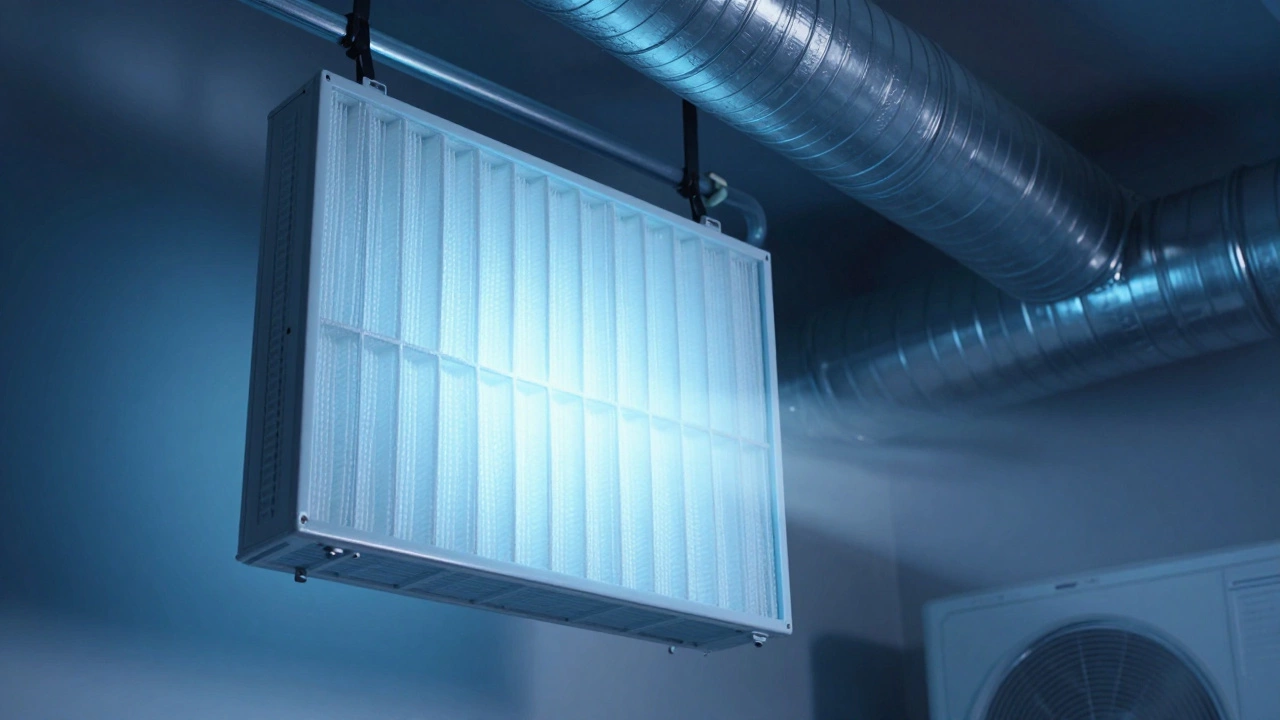
Will a MERV 13 Air Filter Damage My AC System?
A MERV 13 air filter can improve indoor air quality, but it may damage older AC systems by restricting airflow. Learn when it's safe to use and what alternatives work better.
CONTINUE READINGRECENT POSTS
-

Is it Cheaper to Install Your Own Car Battery? Costs and Pros and Cons
Discover if installing your own car battery is actually cheaper. We compare DIY costs vs. professional shops, cover core charges, and explain the risks of modern car electronics.
-
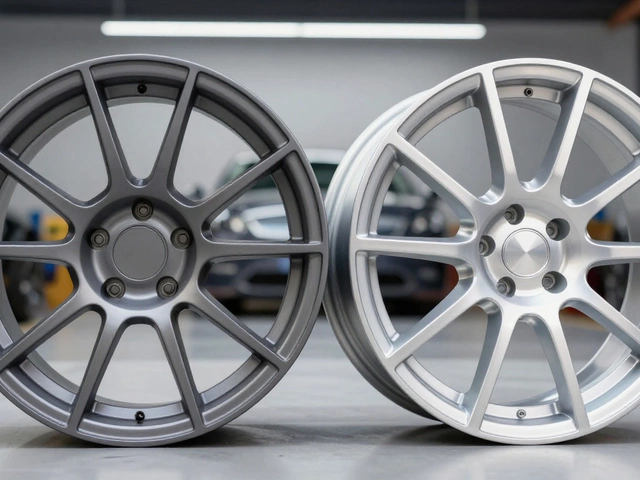
Why Upgrade to Alloy Wheels? Benefits, Performance, and Style
Discover why drivers switch to alloy wheels, from improving braking and fuel efficiency to enhancing car aesthetics and resale value.