Fuel Injection Pump Diagnostic Checker
Symptom Checker
Select all symptoms you're experiencing. This tool will help identify if your fuel injection pump is likely failing based on common signs.
Select symptoms above to see diagnostic results.
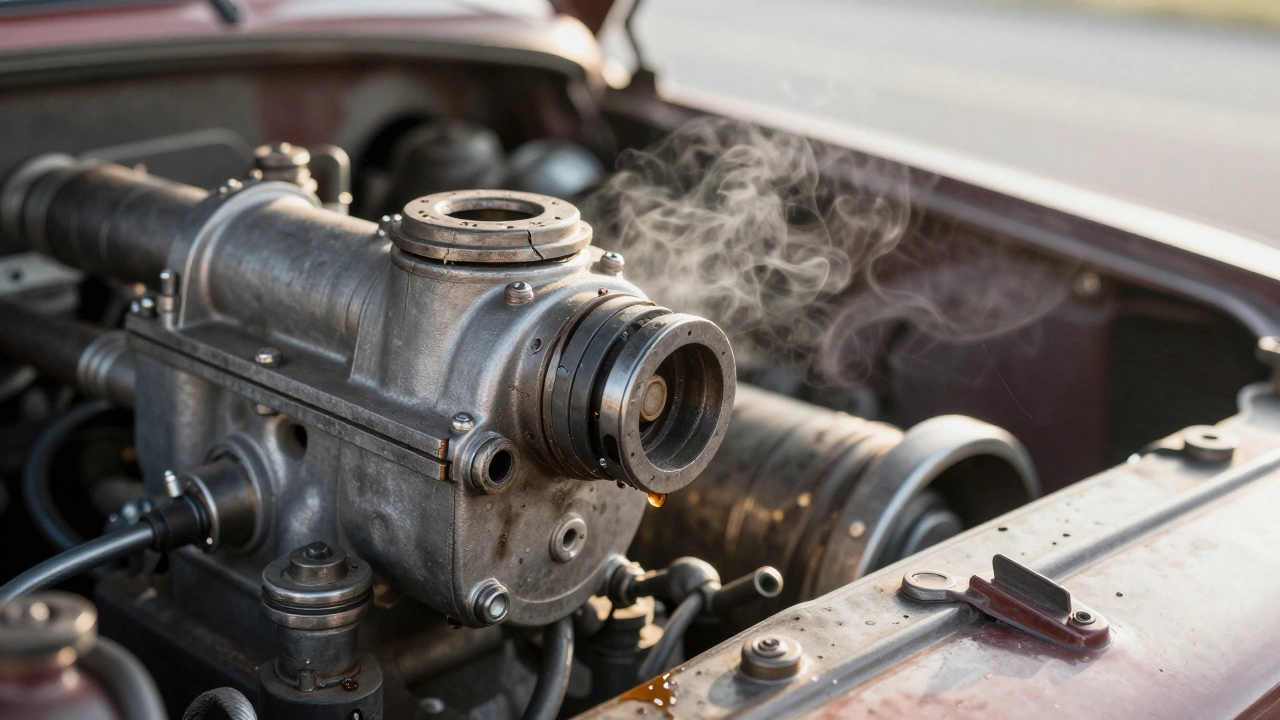
When your car sputters, stalls, or refuses to start - especially after warming up - it’s easy to blame the battery or spark plugs. But if you drive a diesel or older gasoline vehicle with a fuel injection system, the real culprit might be hiding under your hood: the fuel injection pump. This tiny, high-pressure component doesn’t get much attention until it fails. And when it does, your car doesn’t just run poorly - it stops running entirely.
What Does a Fuel Injection Pump Actually Do?
The fuel injection pump isn’t just a fuel delivery system. It’s the heart of your engine’s fuel supply. In diesel engines, it pressurizes fuel to over 20,000 psi and sprays it directly into the combustion chamber at the exact moment needed. In gasoline engines with direct injection, it does something similar - but at lower pressures, usually around 1,500 to 3,000 psi. Either way, if the pump can’t deliver the right amount of fuel at the right time, your engine won’t run right.
Modern pumps are precision machines. They’re driven by the engine’s camshaft or timing belt, and they have internal valves, plungers, and electronic controls. They’re not meant to last forever. Most last between 100,000 and 150,000 miles, but dirt, old fuel, or poor maintenance can kill one way before that.
Sign #1: Hard Starting or No Start
If your car cranks but won’t start - especially in the morning or after sitting for a few hours - that’s a red flag. You’ve checked the battery. You’ve replaced the spark plugs. You even swapped in a fresh fuel filter. Still nothing. That’s because the pump isn’t delivering enough pressure to fire up the engine.
In diesel engines, this is often the first sign. The pump’s internal seals dry out or crack, letting air into the fuel line. Air doesn’t compress like fuel, so the injectors can’t fire. You might hear a clicking noise from the pump area when you crank the engine - that’s the solenoid trying to engage but failing to build pressure.
Sign #2: Rough Idling and Stalling
Ever notice your car shaking at a stoplight? Or stalling when you take your foot off the gas? That’s not just a dirty throttle body. It’s the pump struggling to maintain consistent fuel pressure.
A failing pump doesn’t deliver fuel evenly. Sometimes it gives too much, sometimes too little. The engine’s computer tries to compensate, but it can’t keep up. The result? A rough idle, sudden drops in RPM, or the engine dying while idling. It gets worse when you’re carrying a load or climbing a hill - the pump can’t ramp up pressure fast enough.
Sign #3: Loss of Power and Poor Acceleration
You’re on the highway, you press the accelerator, and nothing happens. Or it takes three seconds for the car to respond. That’s not lag - it’s starvation. The fuel injection pump isn’t delivering enough fuel under load.
This isn’t like a clogged air filter, where power drops gradually. A bad pump causes sudden, inconsistent power loss. You might feel it when merging, passing, or going uphill. In diesel trucks, this often shows up as a lack of torque - the engine sounds like it’s working hard but won’t pull.
Sign #4: Excessive Smoke from the Exhaust
Black smoke? That’s unburned fuel. White smoke? That’s raw diesel vapor. Both can point to a failing injection pump.
If the pump is leaking or mis-timing fuel delivery, too much fuel gets injected at once. The injectors can’t atomize it properly, so it burns incompletely. In diesel engines, this is especially common when the pump’s timing gear wears out. You might notice the smell of raw diesel - it’s sharp, oily, and unmistakable.
Sign #5: Fuel Leaks or Dripping Around the Pump
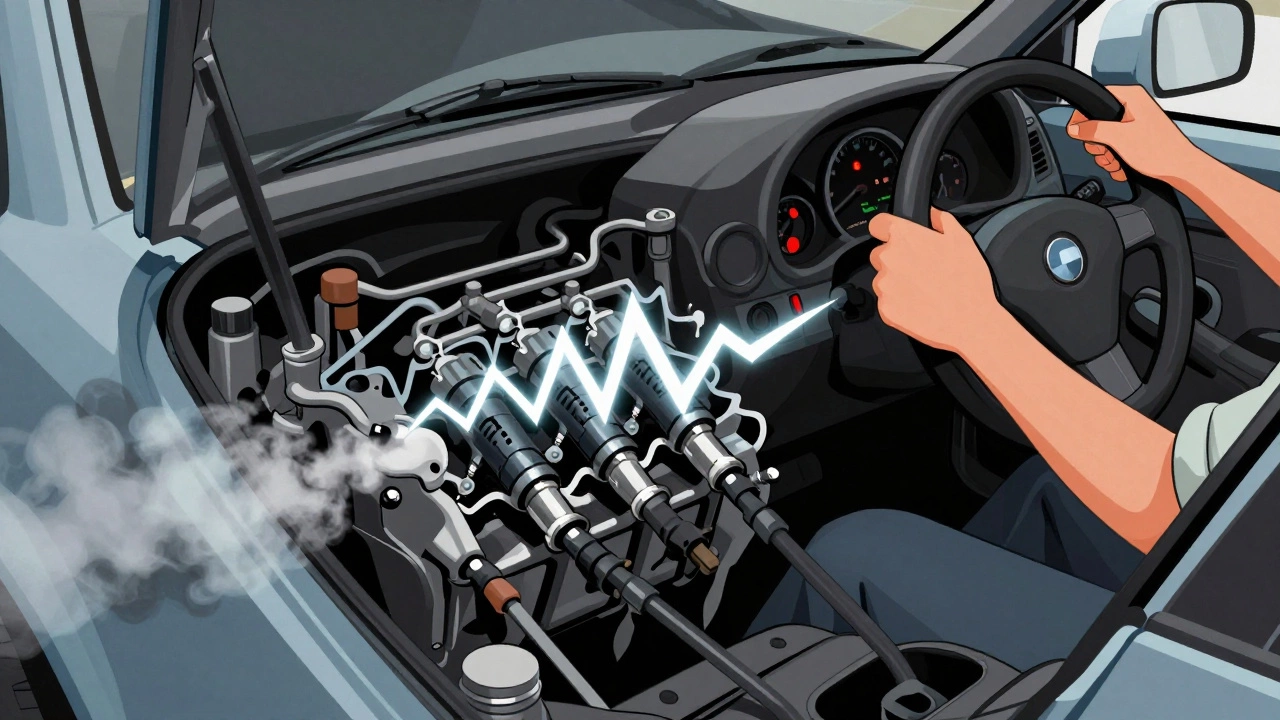
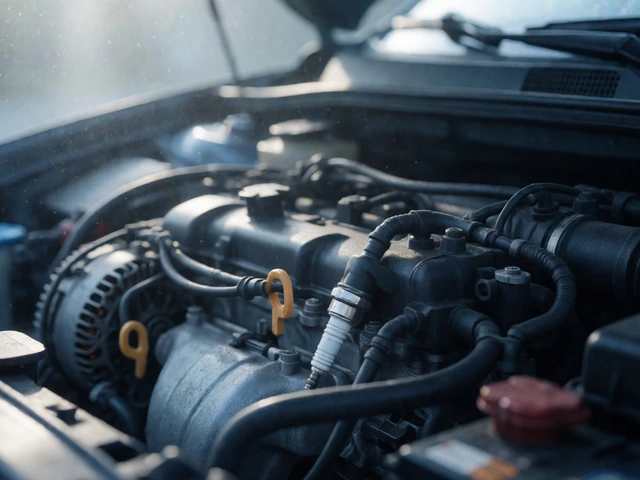
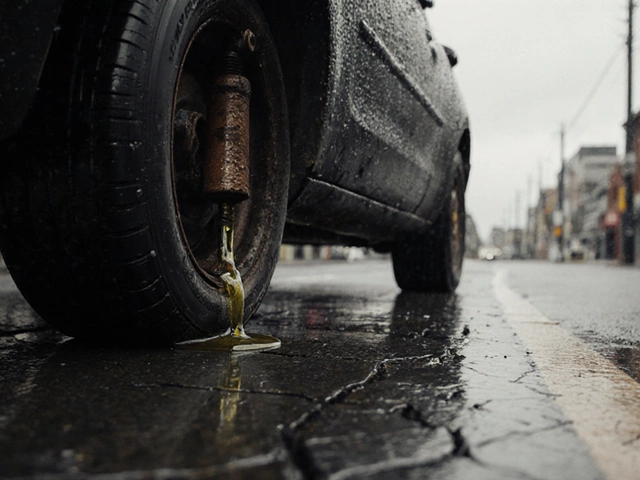
Look under the hood. Check around the pump housing and fuel lines. If you see fuel stains, wet spots, or a puddle forming near the pump, that’s a physical failure. The seals have cracked. The housing is warped. The pump is leaking pressure - and fuel.
Fuel leaks are dangerous. They can ignite if they hit hot engine parts. Don’t ignore this sign. Even a small drip can mean the pump is about to die. In diesel systems, fuel leaks also let air in, which causes the same symptoms as a failing pump: hard starts, rough running, stalling.
Sign #6: Fuel Smell Inside the Cabin
Ever get into your car and smell diesel or gasoline? Not from a spill - but a constant, faint odor that lingers. That’s a sign of a failing seal or cracked line connected to the pump. The fuel is vaporizing under pressure and seeping into the engine bay - and sometimes into the cabin through the HVAC system.
This isn’t just annoying. It’s a safety hazard. Fuel vapors are flammable and can cause dizziness or headaches over time. It also means the pump isn’t containing pressure like it should - which means it’s losing efficiency.
Sign #7: Check Engine Light with Fuel System Codes
Modern cars will throw a code when the fuel system acts up. Common codes include:
- P0087 - Fuel Rail/System Pressure Too Low
- P0088 - Fuel Rail/System Pressure Too High
- P0201 to P0208 - Injector Circuit Malfunctions (often caused by pump inconsistency)
- P0251 - Fuel Injection Pump A Performance
These codes don’t confirm the pump is bad - they just say the system isn’t performing right. But if you’ve ruled out fuel filters, sensors, and injectors, the pump is the next logical step. A mechanic can test fuel pressure with a gauge. If it’s below the manufacturer’s spec - even by 10% - the pump is failing.
What Causes Fuel Injection Pumps to Fail?
Most failures come down to three things:
- Contaminated fuel - Dirt, water, or old diesel clogs the tiny internal filters and wears out the precision parts.
- Low fuel levels - Running on empty lets air into the system and starves the pump of cooling. Diesel pumps rely on fuel for lubrication. No fuel = metal-on-metal wear.
- Wrong fuel - Putting gasoline in a diesel engine (or vice versa) destroys the pump instantly. Even low-grade diesel with high sulfur content can damage seals over time.
Most people don’t realize their pump is at risk until it’s too late. Regular maintenance - clean fuel filters every 15,000 miles, never running below a quarter tank, using fuel additives in diesel - can double the life of your pump.
How to Test It Yourself (Without Tools)
You don’t need a diagnostic scanner to get a good idea. Here’s what you can do:
- Listen. When you turn the key to "on" (before cranking), you should hear a low hum from the pump. If you hear nothing, it’s not getting power - or it’s dead.
- Smell. After driving, open the hood. If you smell fuel strongly near the pump, it’s leaking.
- Check fuel lines. Look for cracks, soft spots, or dampness. Replace any that feel spongy.
- Try a fuel pressure test. Borrow a fuel pressure gauge from an auto parts store. Hook it up to the test port (if your car has one). Compare the reading to your owner’s manual. If it’s below spec, the pump is weak.
If you’re not comfortable doing this, take it to a shop. A good mechanic can test pressure, check for air in the lines, and inspect the pump’s output with a flow meter. It usually takes under an hour.
What Happens If You Ignore It?
Ignoring a failing fuel injection pump doesn’t just leave you stranded. It can wreck your injectors, damage the engine’s computer, or even cause a fire. In diesel engines, a pump that delivers too much fuel can hydrolock the engine - flooding the cylinders with liquid fuel and bending rods or cracking pistons.
And replacement isn’t cheap. A new fuel injection pump costs between $800 and $2,500, depending on your vehicle. Labor adds another $400 to $800. But if you catch it early, you might be able to rebuild it - saving you half the cost.
When to Replace vs. Rebuild
Most pumps can be rebuilt if the housing isn’t cracked. A rebuild kit includes new seals, plungers, and valves - and costs around $200 to $400. It’s worth it if you’re mechanically inclined or have a trusted diesel shop.
But if the pump’s body is warped, or the timing gear is worn, replacement is your only option. Rebuilt units from reputable suppliers (like Bosch or Delphi) are reliable. Avoid cheap aftermarket brands - they often fail within 10,000 miles.
Prevention: How to Make Your Pump Last
- Use clean, high-quality fuel. Stick to stations with high turnover.
- Never run your tank below a quarter full - especially in diesel.
- Replace the fuel filter every 15,000 to 20,000 miles.
- Add a diesel fuel stabilizer if you store your vehicle for long periods.
- Get your fuel system flushed every 40,000 miles if you drive in dusty conditions.
It’s cheap insurance. A $20 fuel filter every year is a lot cheaper than a $2,000 pump replacement.
Final Thought
Your fuel injection pump doesn’t make noise when it’s dying. It doesn’t give you a warning light until it’s almost gone. By the time you notice the symptoms - the sputtering, the stalling, the smoke - it’s already on its last legs. The key is to pay attention to small changes. If your car doesn’t feel like it used to, don’t brush it off. Check the pump. It’s the silent hero of your engine - and when it fails, you’ll know it.


Write a comment