Air Filter Resistance: What It Means and How It Affects Your Engine
When your engine struggles to pull in air, it’s often because of air filter resistance, the force that opposes airflow through the filter, reducing the amount of clean air reaching the engine. Also known as airflow restriction, it’s not just a number on a spec sheet—it’s a silent killer of performance and efficiency. Every time you press the gas, your engine needs a precise mix of air and fuel. If the air filter is clogged, dirty, or poorly designed, it fights back. That resistance forces the engine to work harder, burning more fuel just to get the same power.
This isn’t just about old filters. Even new ones can cause problems if they’re the wrong type for your car. Some aftermarket filters claim better airflow but actually create uneven resistance, leading to inconsistent combustion. And don’t forget the cabin air filter, a separate filter that cleans air entering the passenger compartment. While it doesn’t affect engine performance, a clogged cabin filter can make your AC strain, which indirectly increases load on the engine. Both filters are part of the same air management system, and ignoring one can mess with the other.
High air filter resistance shows up in real ways: slower acceleration, rough idling, worse fuel mileage, and even check engine lights triggered by oxygen sensor readings. Modern engines are tuned for exact air-to-fuel ratios. When resistance builds, the engine’s computer tries to compensate—but it can’t fix a physical blockage. You might think your car is just getting old, but it could just be struggling to breathe.
What causes this resistance? Dust, pollen, road debris, and even oil mist from a bad PCV valve. In dry, dusty areas, filters clog faster. In humid climates, moisture can turn dust into mud inside the filter. And if you drive on gravel roads or off-road often, your filter sees more abuse than your owner’s manual ever warned you about.
Replacing your air filter isn’t just a maintenance chore—it’s a performance upgrade. A clean filter reduces resistance, lets your engine breathe easier, and can give you back 5-10% in fuel economy. It’s one of the cheapest fixes with the biggest payoff. But not all filters are equal. Some cheap ones are too dense and restrict airflow. Others are too loose and let dirt through. The right one balances filtration and flow.
Below, you’ll find real-world guides on how to spot failing filters, what happens when resistance gets too high, and how to choose the right replacement without falling for marketing hype. Whether you’re dealing with a sputtering engine or just want to keep your car running longer, these posts give you the facts—not the fluff.

Will a MERV 13 Air Filter Damage My AC System?
A MERV 13 air filter can improve indoor air quality, but it may damage older AC systems by restricting airflow. Learn when it's safe to use and what alternatives work better.
CONTINUE READINGRECENT POSTS
-

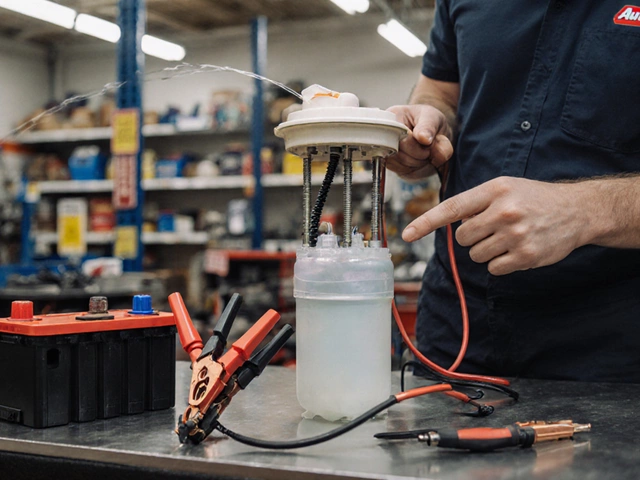
Is it Cheaper to Install Your Own Car Battery? Costs and Pros and Cons
Discover if installing your own car battery is actually cheaper. We compare DIY costs vs. professional shops, cover core charges, and explain the risks of modern car electronics.
-
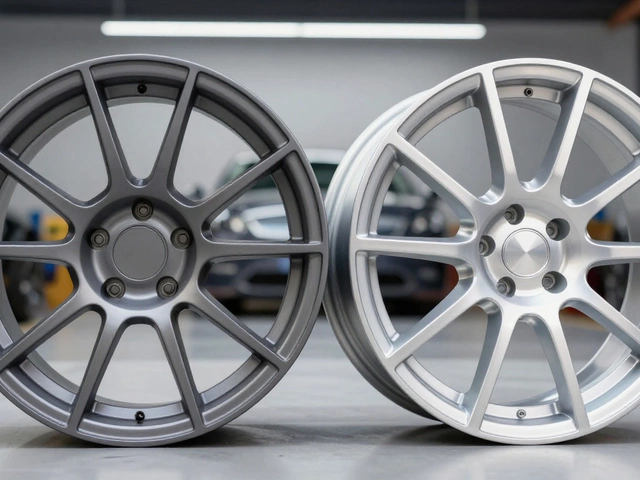
Why Upgrade to Alloy Wheels? Benefits, Performance, and Style
Discover why drivers switch to alloy wheels, from improving braking and fuel efficiency to enhancing car aesthetics and resale value.