Best Engine Oil: What Works, What Doesn't, and How to Choose
When you hear best engine oil, a high-performance lubricant designed to reduce friction, cool engine parts, and remove contaminants. Also known as motor oil, it's the lifeblood of your engine. The right one keeps your engine running smooth for years. The wrong one? It can turn your engine into a costly repair job in months. It’s not about the brand on the bottle—it’s about what’s inside. Viscosity, additives, and base oil type matter more than flashy packaging. Synthetic oil, for example, flows better in cold weather and holds up longer under heat than conventional oil. That’s why most modern cars recommend it from the factory.
Choosing the best engine oil, a high-performance lubricant designed to reduce friction, cool engine parts, and remove contaminants. Also known as motor oil, it's the lifeblood of your engine. isn’t just about following your owner’s manual—it’s about understanding your driving habits. If you haul heavy loads, drive in extreme heat, or spend a lot of time idling in traffic, you need oil that can handle stress. oil viscosity, a measure of how easily oil flows at different temperatures, rated as 5W-30, 10W-40, etc. tells you how thick or thin the oil will be when hot or cold. Too thick, and your engine struggles to start in winter. Too thin, and it won’t protect parts under high load. Most cars today use 5W-30 or 0W-20, but always check what your manufacturer recommends.
synthetic oil, engine oil made from chemically engineered molecules for superior performance and longevity compared to conventional oil lasts longer, cleans better, and protects more effectively. It’s not magic—it’s science. Synthetic oils resist breakdown under heat, which means fewer sludge deposits and less wear on pistons and valves. You’ll pay more upfront, but you’ll stretch out oil changes and avoid expensive engine damage. Conventional oil still works fine in older cars with low mileage, but if you’ve got a newer vehicle or drive hard, synthetic is the smart move.
Don’t get tricked by claims like "mileage protection" or "extended life" unless they’re backed by industry standards like API SN or ILSAC GF-6. These labels tell you the oil meets real performance benchmarks, not just marketing hype. And while additives like zinc or detergents sound impressive, the right base oil and viscosity matter far more than a long list of buzzwords.
What you find below isn’t just a list of top oils. It’s a collection of real-world tests, expert breakdowns, and hard lessons learned—like what happens when you skip oil changes, why low oil can kill your engine in minutes, and how oil type affects everything from fuel economy to engine noise. You’ll see which oils stand up to heat, which ones clean best, and which ones are just overpriced water with a fancy label. No fluff. No guesses. Just what works.
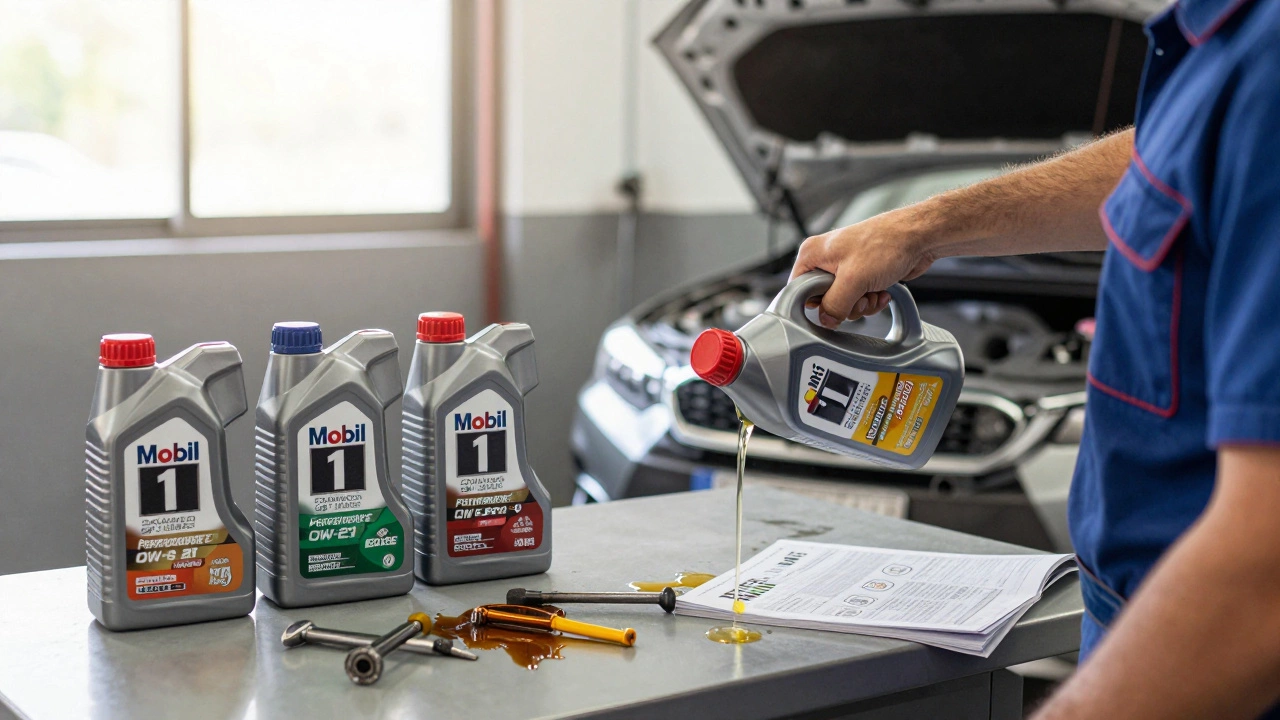
What Is the No. 1 Engine Oil? Top Choice for Performance and Longevity in 2025
There's no single 'No. 1 engine oil' for all cars, but the best choice is a full synthetic oil matched to your vehicle's specs. Learn what top mechanics use in 2025 and how to pick the right one for your engine.
CONTINUE READINGRECENT POSTS
-
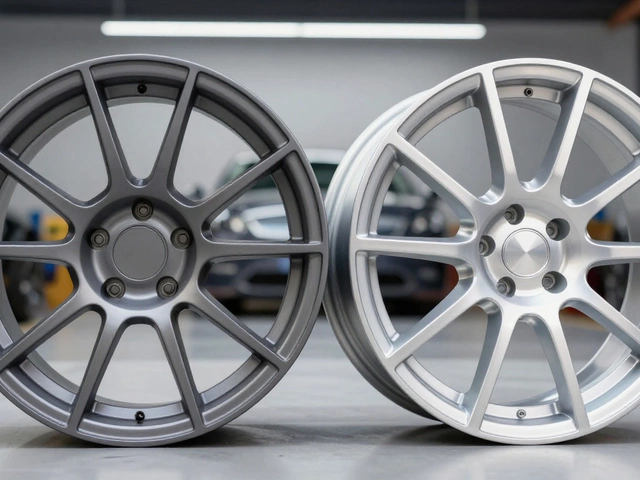
Why Upgrade to Alloy Wheels? Benefits, Performance, and Style
Discover why drivers switch to alloy wheels, from improving braking and fuel efficiency to enhancing car aesthetics and resale value.
-

Is it Cheaper to Install Your Own Car Battery? Costs and Pros and Cons
Discover if installing your own car battery is actually cheaper. We compare DIY costs vs. professional shops, cover core charges, and explain the risks of modern car electronics.