Brake Safety: How to Keep Your Brakes Reliable
If your brakes feel spongy, squeak, or just don’t bite like they used to, you’re not alone. Most drivers ignore early warning signs until the cost spikes or safety is at risk. The good news? Simple checks and regular maintenance can keep you safe without breaking the bank.
When to Replace Brake Pads and Rotors
Brake pads wear out faster than rotors, but both need attention. A fresh pad should be at least 3 mm thick; below that, you’ll hear a high‑pitched squeal. Rotors, on the other hand, show their age with deep grooves, a blue glow, or a wobble when you brake hard. If you notice any of these, it’s time for a replacement.
Buying pads yourself can save $30‑$60 per axle, but only if you pick the right type for your car. Ceramic pads are quiet and low‑dust, while semi‑metallic pads handle high heat better. For rotors, go with OEM‑spec thickness and a smooth surface. Skipping the rotor replacement when pads are new can cause uneven wear and costly vibrations later.
DIY Brake Checks: What You Can Do at Home
Grab a flashlight and a jack, then pop the wheel. Look at the pad thickness and rotor surface. Spin the rotor; it should turn smoothly without wobbling. If you feel a grind when you press the brake pedal, that’s a red flag.
Most DIYers can change pads in under an hour with a basic set of tools. Just remember to compress the caliper piston first – a small plastic tool or C‑clamp does the trick. If you’re unsure about rotor resurfacing, let a pro handle it; a bad job can introduce vibration and reduce braking performance.
When you’re not comfortable tackling the job, a quick shop visit can still save money. Ask for a labor‑only quote and compare it to the total price of a parts‑plus‑labor package. In many cases, you’ll find that buying the parts yourself and paying for the install costs less overall.
Beyond pads and rotors, don’t forget the brake fluid. Old fluid absorbs moisture and lowers boiling point, which can cause brake fade under heavy use. Flushing the system every two years is a cheap way to keep the pedal firm.
Finally, keep a habit of listening. Squeaking, grinding, or a soft pedal are your car’s way of saying something’s off. Ignoring them doesn’t make the problem disappear; it just makes the repair bigger and more expensive.
Stay on top of your brake maintenance, know when to DIY and when to call a pro, and you’ll enjoy confident stopping power day after day.
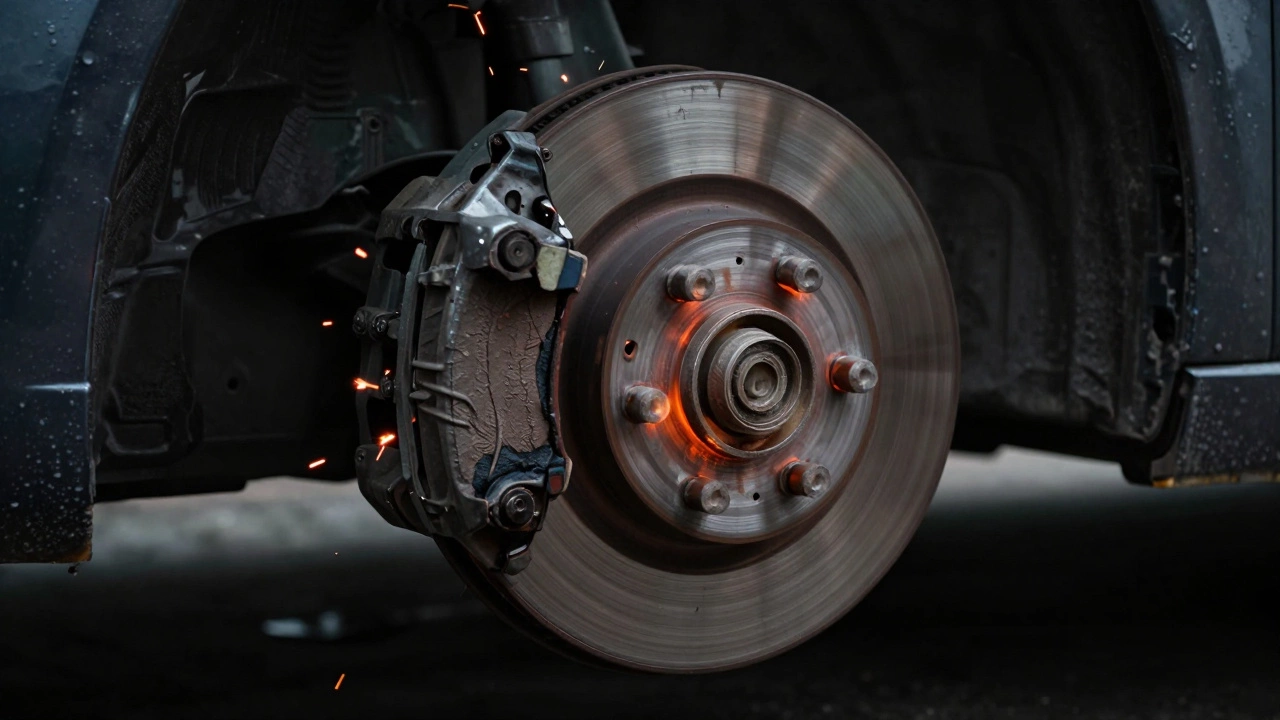
Is It Safe to Drive on Grinding Brakes? Risks, Costs, and What to Do Now
Driving with grinding brakes is dangerous and costly. Learn why metal-on-metal noise means immediate danger, how much repairs cost, and what steps to take right now to stay safe.
CONTINUE READING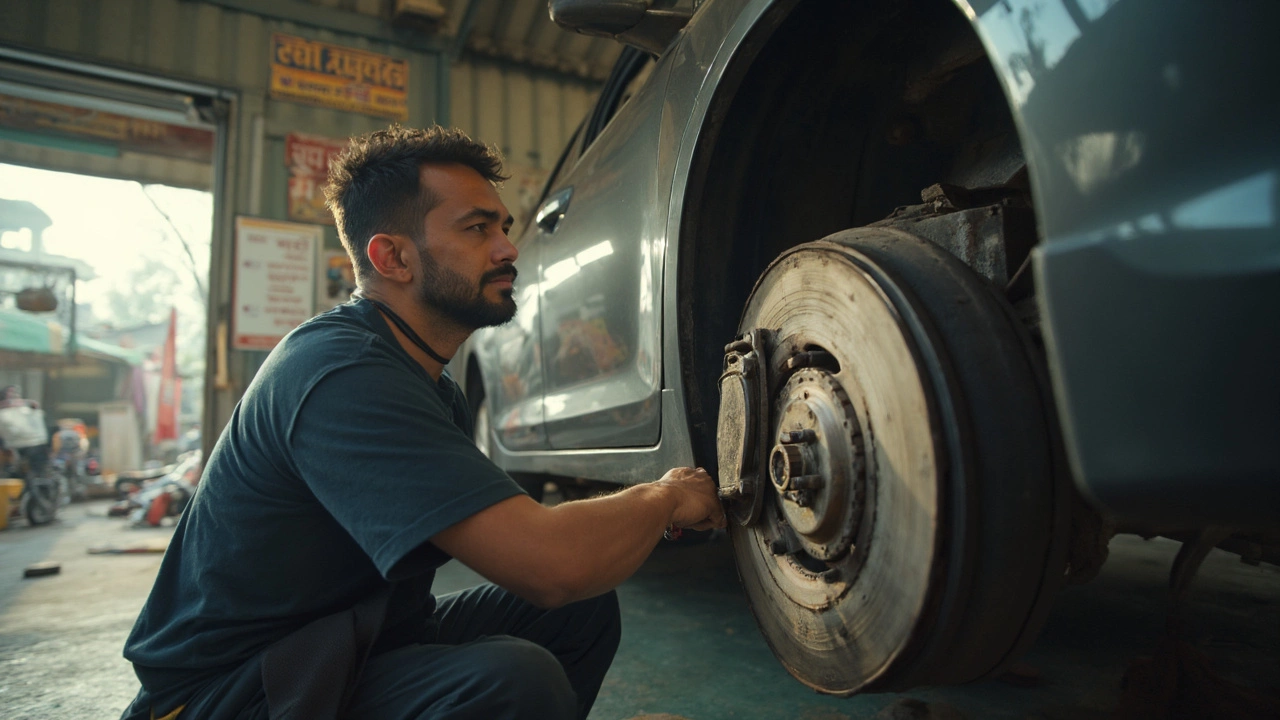
Do I Need to Replace All 4 Brake Pads? Honest Answers for Drivers
Wondering if you have to replace all four brake pads at once? This guide tackles common myths, practical advice, and the reasons brakes wear out unevenly. Get tips on how to inspect your pads and how mechanics decide which ones really need changing. Find out how to save money and avoid unnecessary repairs while keeping your drive safe. Learn the warning signs that mean it's time to visit a shop right away.
CONTINUE READING
Understanding Brake Pads: Do You Need 4 or 8?
Choosing between 4 or 8 brake pads for your vehicle can seem daunting, but it's crucial for safety and performance. This article explains the function of brake pads, the differences between front and rear brakes, and how to determine the right number for your car. It also provides tips for maintaining brake pads and spotting signs of wear. With this guide, you can make informed decisions and ensure your brakes are in top condition.
CONTINUE READINGRECENT POSTS
-
What Do Americans Call a Glove Box? UK vs US Car Terminology
Discover what Americans call a glove box versus the UK term, and explore other key automotive language differences like windscreen vs. windshield wipers.
-
Why Fuel Pumps Fail: Common Causes and Warning Signs
Discover why fuel pumps fail, from contaminated fuel to running on empty. Learn the warning signs like whining noises and sputtering engines, plus tips to extend your pump's life.