Car Oil Level: How to Check It, Why It Matters, and What Happens If It's Wrong
When your car oil level, the amount of engine oil circulating in your vehicle's lubrication system. Also known as engine oil volume, it's one of the most critical but often ignored checks every driver can do in under a minute. If it's too low, your engine parts grind together. Too high, and you risk foaming, pressure build-up, and even oil leaks. This isn't theory—it's why so many engines fail before their time.
The engine oil, a fluid designed to lubricate, cool, and clean internal engine components doesn't just sit there. It gets burned off slowly, leaks past seals over time, and can get contaminated by dirt or coolant. That’s why checking your car oil level isn’t something you do once a year—it’s something you do every few weeks, especially before long trips or in extreme weather. Modern cars have oil sensors, but they don’t catch gradual drops. Only a dipstick tells you the truth.
Your oil change interval, the recommended distance or time between engine oil replacements matters, but it’s useless if you start with low oil. Even if you’re on schedule, a leak or burn-off can drop your level into danger zone. Signs like a flickering oil light, knocking noises under load, or the smell of burning oil mean you’re already behind. And if you’ve ever heard a loud clunk when accelerating? That’s metal on metal—and it’s often because the oil wasn’t where it needed to be.
Checking your oil is simple: park on level ground, turn off the engine, wait two minutes, pull the dipstick, wipe it clean, reinsert it, then pull it out again. The oil should sit between the min and max marks. If it’s below min, add a quarter quart at a time until it’s in range. Don’t overfill. Don’t guess. Use the oil type your manual says. If you’re adding oil often, you’ve got a leak or a worn engine—and that needs attention before it costs thousands.
What you’ll find below isn’t just a list of articles. It’s a practical toolkit. You’ll learn how to pick the right oil for your engine, how long you can really go without a change, what happens when oil breaks down, and how to spot trouble before your car leaves you stranded. These aren’t theory pieces—they’re real fixes, real costs, and real advice from people who’ve seen what low oil does to engines. Whether you’re checking your oil for the first time or you’ve been doing it for years, there’s something here that’ll save you money, time, and stress.

What Happens If You Drive With Low Oil? The Real Risks and Quick Fixes
Driving with low engine oil can cause severe engine damage in minutes. Learn the warning signs, how quickly harm occurs, and simple steps to prevent costly repairs before it's too late.
CONTINUE READINGRECENT POSTS
-
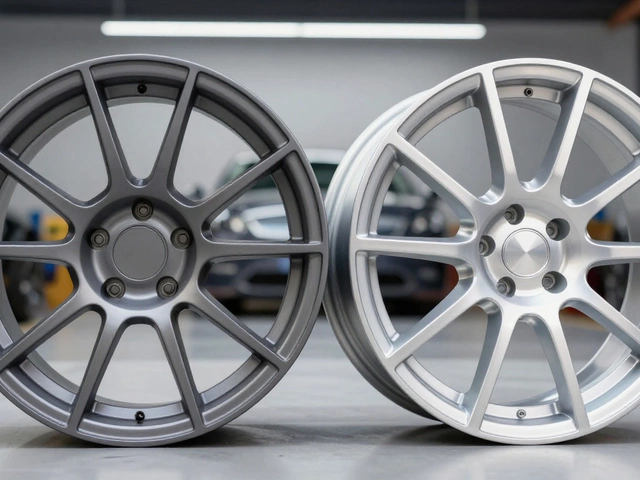
Why Upgrade to Alloy Wheels? Benefits, Performance, and Style
Discover why drivers switch to alloy wheels, from improving braking and fuel efficiency to enhancing car aesthetics and resale value.
-

Is it Cheaper to Install Your Own Car Battery? Costs and Pros and Cons
Discover if installing your own car battery is actually cheaper. We compare DIY costs vs. professional shops, cover core charges, and explain the risks of modern car electronics.