Engine Oil Recommendation: What to Use and Why It Matters
When you hear engine oil recommendation, a guide that tells you which type of motor oil is best for your car based on manufacturer specs, driving habits, and climate. Also known as motor oil specification, it’s not just a suggestion—it’s your engine’s lifeline. Using the wrong oil can cause overheating, sludge buildup, or even total engine failure. The right oil keeps parts moving smoothly, cools the engine, cleans out gunk, and seals gaps between pistons and cylinders. It’s not magic—it’s chemistry, and it’s non-negotiable.
Not all synthetic oil, a high-performance lubricant made from chemically engineered molecules for better flow and durability. Also known as full synthetic motor oil, it lasts longer, flows better in cold weather, and handles heat better than conventional oil. But if your car was made before 2000 and the manual says to use conventional oil, switching to synthetic without checking could cause leaks in old seals. On the flip side, if you drive in stop-and-go traffic, haul heavy loads, or live where winters hit -20°C, synthetic oil isn’t optional—it’s essential. And don’t confuse it with oil change interval, how often you should replace engine oil based on mileage, time, or driving conditions. Also known as maintenance schedule, it. Even the best oil breaks down over time. Some modern cars say 10,000 miles between changes, but if you’re towing or driving in dusty conditions, that number drops fast.
Your car’s manual is the starting point, not the end. Manufacturers list oil viscosity like 5W-30 or 10W-40, but they don’t always tell you which brand or type to pick. That’s where real-world experience comes in. If your engine is older and burning a little oil, a high-mileage formula with seal conditioners helps. If you live in a hot, dry climate, thicker oils hold up better. If you’re trying to squeeze every mile out of your car, synthetic oil gives you more protection over longer distances. And if you’re unsure? Look at what mechanics who work on your exact model are using. They see the damage from bad oil choices every day.
You’ll find plenty of advice online—some of it useful, some of it flat wrong. The posts below cut through the noise. They show you what happens when you ignore oil recommendations, how long different oils really last, and why going past your oil change interval is riskier than you think. You’ll learn how to read your owner’s manual like a pro, spot signs your oil is failing, and choose the right product without paying for hype. This isn’t about buying the most expensive bottle on the shelf. It’s about knowing exactly what your engine needs—and giving it to you.
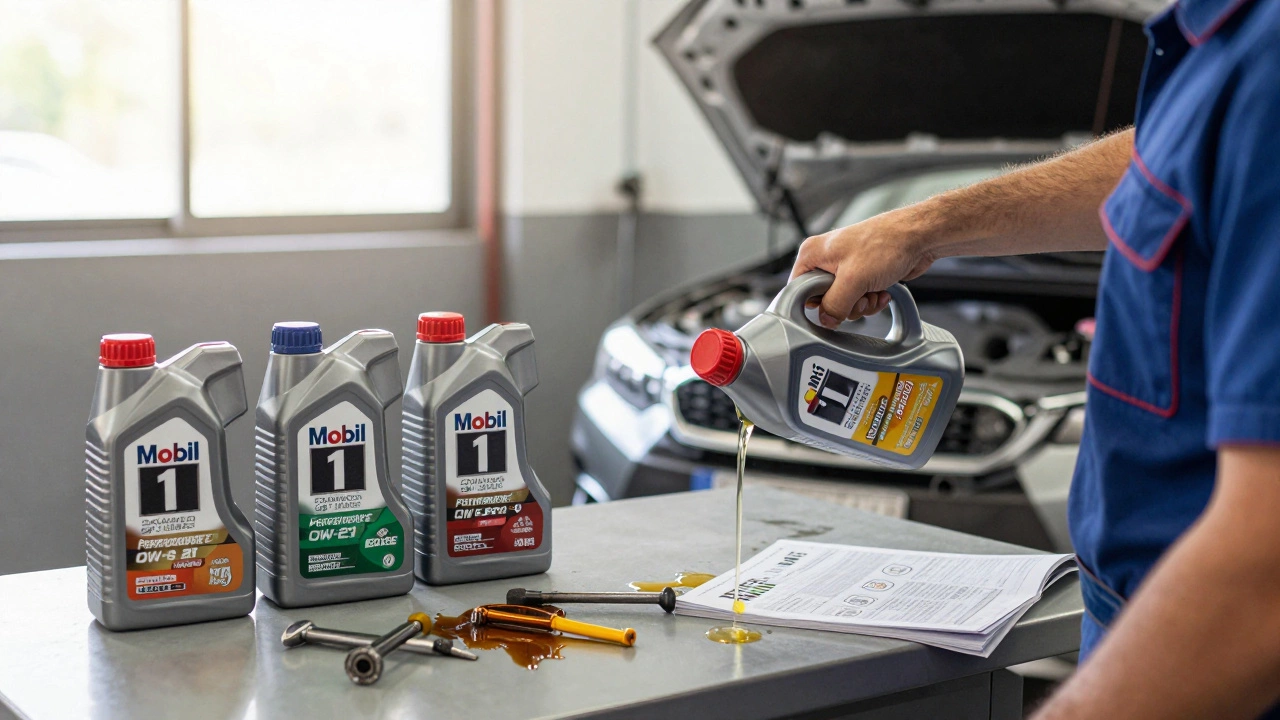
What Is the No. 1 Engine Oil? Top Choice for Performance and Longevity in 2025
There's no single 'No. 1 engine oil' for all cars, but the best choice is a full synthetic oil matched to your vehicle's specs. Learn what top mechanics use in 2025 and how to pick the right one for your engine.
CONTINUE READINGRECENT POSTS
-
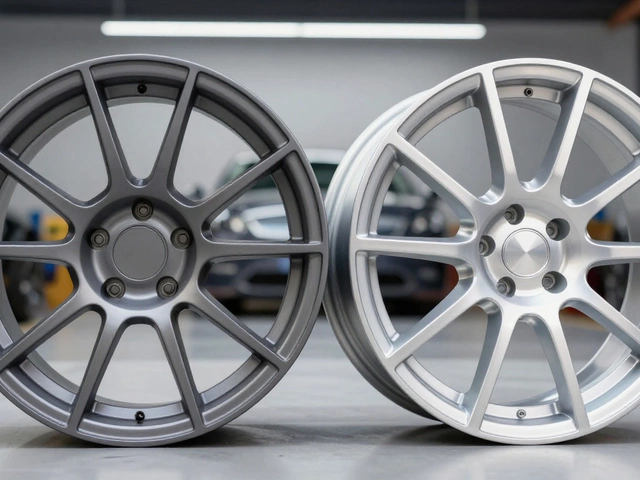
Why Upgrade to Alloy Wheels? Benefits, Performance, and Style
Discover why drivers switch to alloy wheels, from improving braking and fuel efficiency to enhancing car aesthetics and resale value.
-

Is it Cheaper to Install Your Own Car Battery? Costs and Pros and Cons
Discover if installing your own car battery is actually cheaper. We compare DIY costs vs. professional shops, cover core charges, and explain the risks of modern car electronics.