Motor Oil 2025: What’s Changed, What Still Matters
When you think of motor oil, a lubricant that reduces friction, cools engine parts, and prevents wear in internal combustion engines. Also known as engine oil, it’s the lifeblood of your car’s engine—no matter how advanced the technology gets. Even in 2025, with electric vehicles rising and hybrid systems becoming common, millions of cars still rely on traditional engines that need clean, properly formulated oil to survive. The big shift? It’s not about how often you change it—it’s about what’s in the bottle and how your driving habits match the oil’s design.
Synthetic oil, a chemically engineered lubricant with superior performance over conventional oil is now the default for most new cars. It flows better in cold weather, resists breakdown under heat, and lasts longer. But that doesn’t mean you can ignore your owner’s manual. Many manufacturers now recommend oil change intervals of 10,000 to 15,000 miles—but only if you use the right type and drive under normal conditions. If you haul heavy loads, sit in stop-and-go traffic, or live where it’s freezing or scorching hot, your oil breaks down faster. Engine oil life, the period during which oil maintains its protective properties before needing replacement isn’t just a number on a sticker—it’s shaped by your climate, your driving style, and even the quality of the oil filter.
And here’s the thing: skipping oil changes doesn’t just mean more wear—it means you’re risking engine failure. Thick, dirty oil can’t flow properly, leading to overheating, sludge buildup, and damaged bearings. Modern engines run tighter tolerances than ever, so even small particles or degraded additives can cause serious damage. That’s why checking your oil level monthly isn’t optional—it’s a five-minute habit that could save you thousands. Also, don’t assume all "full synthetic" oils are equal. Look for API SP or ILSAC GF-6 ratings on the bottle—those are the current standards for 2025 engines.
What you’ll find below are real-world guides that cut through the noise. You’ll learn how long you can really go without an oil change, what happens when you drive with low oil, and why using the wrong type can hurt your engine even if you change it on time. There’s no fluff, no marketing hype—just straight answers based on what mechanics see every day. Whether you’re driving a 2025 pickup or a ten-year-old sedan, these posts give you the facts to make smarter choices about your car’s most critical fluid.
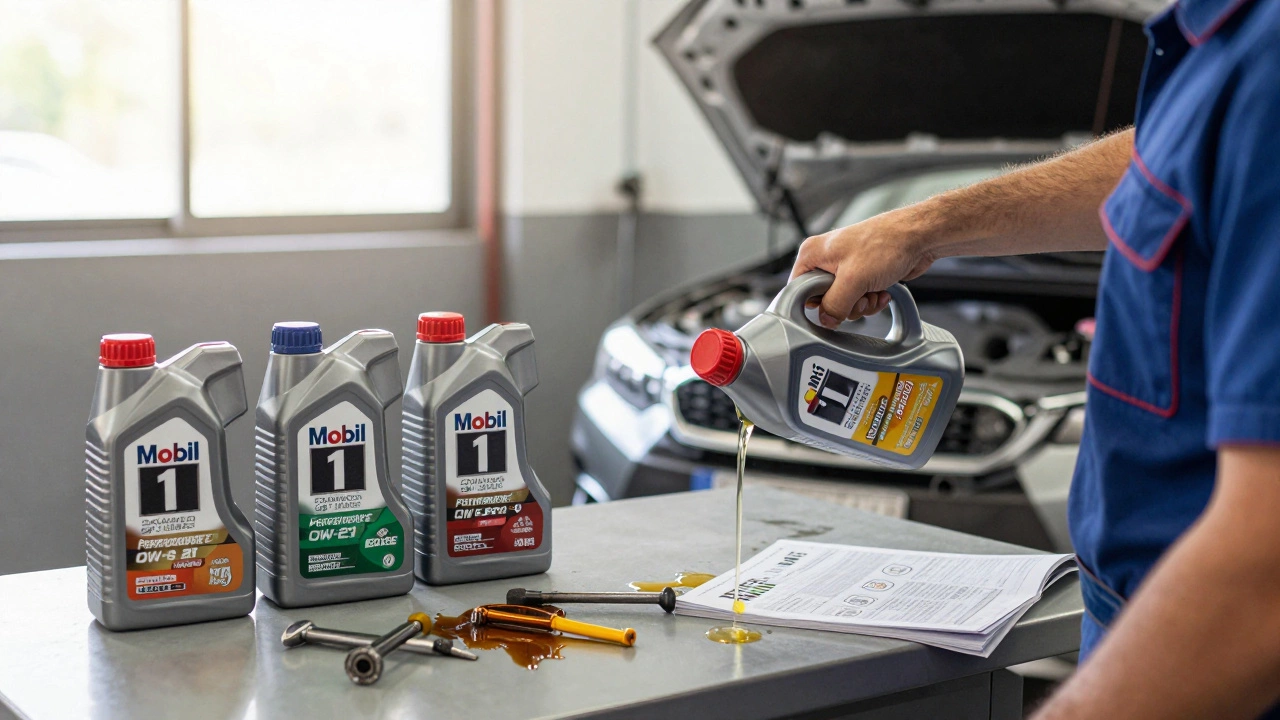
What Is the No. 1 Engine Oil? Top Choice for Performance and Longevity in 2025
There's no single 'No. 1 engine oil' for all cars, but the best choice is a full synthetic oil matched to your vehicle's specs. Learn what top mechanics use in 2025 and how to pick the right one for your engine.
CONTINUE READINGRECENT POSTS
-

Is it Cheaper to Install Your Own Car Battery? Costs and Pros and Cons
Discover if installing your own car battery is actually cheaper. We compare DIY costs vs. professional shops, cover core charges, and explain the risks of modern car electronics.
-
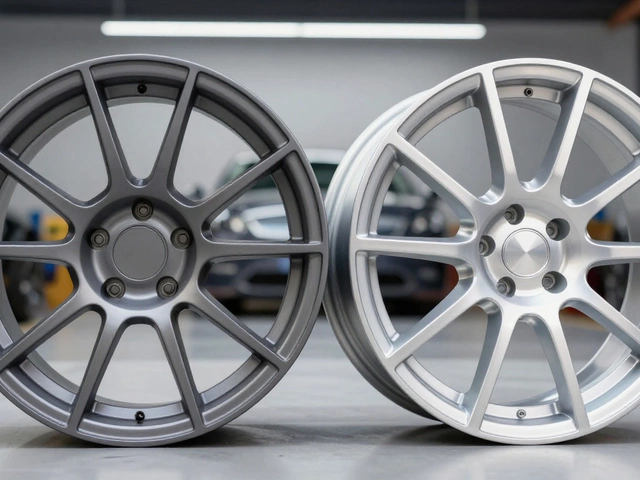
Why Upgrade to Alloy Wheels? Benefits, Performance, and Style
Discover why drivers switch to alloy wheels, from improving braking and fuel efficiency to enhancing car aesthetics and resale value.