Oil Pressure Warning: What It Means and What to Do Next
When the oil pressure warning, a dashboard indicator that signals dangerously low engine oil pressure. Also known as oil pressure light, it's one of the most urgent signals your car can give you. This isn't a "check engine" reminder—it's a red alert. If this light comes on while driving, your engine is at risk of catastrophic failure within seconds. Oil isn't just lubricant; it's the lifeblood that cools, cleans, and protects moving parts. Without enough pressure, metal grinds on metal, and your engine can seize before you even pull over.
Low oil pressure usually stems from one of four things: not enough oil, worn engine bearings, a failing oil pressure sensor, a component that monitors oil flow and sends data to your dashboard, or oil that's too thin or degraded. Many drivers ignore the warning because they think, "My car still runs." But that's like ignoring a smoke alarm because the fire hasn't spread yet. A faulty sensor can give a false reading, but assuming it's wrong is how engines die. Most mechanics agree: if the light stays on after checking the oil level, don't drive. Period.
What you find in the posts below isn't theory—it's real fixes from real situations. You'll see how a simple oil change fixed a persistent warning on a 2018 Honda Civic, why a 2015 Ford F-150 kept triggering the light after a timing belt job, and how a $20 sensor replacement saved a $3,000 engine rebuild. You'll also learn what happens when you ignore the warning, how to test oil pressure yourself without a shop, and which oils actually help maintain pressure in high-mileage engines. This isn't about buying the most expensive oil—it's about understanding what your car is telling you and acting before it's too late.

What Happens If You Drive With Low Oil? The Real Risks and Quick Fixes
Driving with low engine oil can cause severe engine damage in minutes. Learn the warning signs, how quickly harm occurs, and simple steps to prevent costly repairs before it's too late.
CONTINUE READINGRECENT POSTS
-
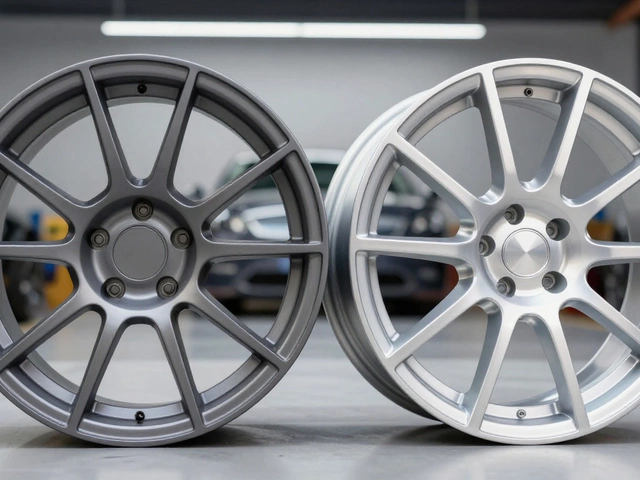
Why Upgrade to Alloy Wheels? Benefits, Performance, and Style
Discover why drivers switch to alloy wheels, from improving braking and fuel efficiency to enhancing car aesthetics and resale value.
-

Is it Cheaper to Install Your Own Car Battery? Costs and Pros and Cons
Discover if installing your own car battery is actually cheaper. We compare DIY costs vs. professional shops, cover core charges, and explain the risks of modern car electronics.