Synthetic Engine Oil: What It Is, Why It Matters, and How Long It Really Lasts
When you hear synthetic engine oil, a man-made lubricant engineered for superior performance under extreme heat and pressure. Also known as full synthetic oil, it's the standard for modern engines because it flows better in cold weather, resists breakdown longer, and protects against sludge better than conventional oil. Unlike regular oil, which comes from crude oil and has inconsistent molecules, synthetic oil is built in a lab to be uniform and stable. That’s why it doesn’t thin out when your engine hits 200 degrees or thicken when it’s freezing outside.
It’s not just about lubrication—engine oil, the lifeblood of your engine that cools, cleans, seals, and prevents metal-on-metal wear—it’s about timing. Most people think they need an oil change every 3,000 miles, but that’s outdated. With synthetic oil, you can often go 7,500 to 10,000 miles, sometimes even more, depending on how you drive. If you haul heavy loads, drive in stop-and-go traffic, or live in a desert, your oil breaks down faster. But if you mostly cruise on highways, synthetic oil can last over a year without losing its grip on protection.
The real danger isn’t using synthetic oil—it’s ignoring the signs it’s done its job. Low oil pressure, knocking sounds, or a dashboard warning light mean your engine is running on borrowed time. oil change interval, the recommended distance or time between oil changes based on driving conditions and oil type isn’t a suggestion—it’s a safety line. Skip it, and you risk engine damage that costs thousands to fix. Synthetic oil doesn’t make you invincible; it just gives you more room to breathe.
You’ll also find that synthetic oil works better with modern engine tech like turbochargers and direct injection. These systems run hotter and tighter, and conventional oil just can’t keep up. That’s why almost every new car comes factory-filled with synthetic. Even older cars benefit when you switch—it cleans out old sludge, reduces friction, and can even improve fuel economy by a few percent.
And here’s the kicker: synthetic oil isn’t just for performance cars. It’s for the daily driver, the weekend cruiser, the delivery van, the SUV hauling kids and groceries. It’s the quiet hero that keeps your engine alive when everything else is pushing it to its limits.
Below, you’ll find real-world stories from people who pushed their oil too far, saved money by switching to synthetic, and learned the hard way what happens when you ignore the signs. Whether you’re wondering how long your oil really lasts or if synthetic is worth the extra cost, the answers are here—no fluff, no guesswork, just what works.
What Is the No. 1 Engine Oil? Top Choice for Performance and Longevity in 2025
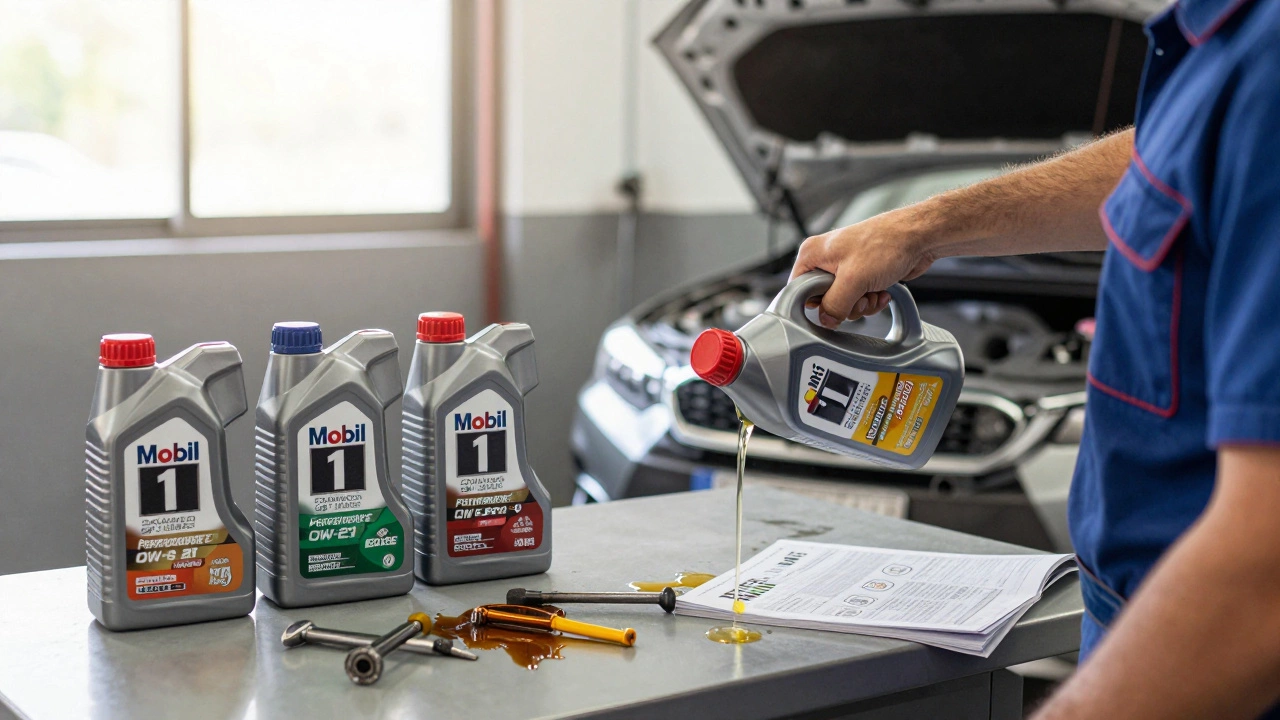
There's no single 'No. 1 engine oil' for all cars, but the best choice is a full synthetic oil matched to your vehicle's specs. Learn what top mechanics use in 2025 and how to pick the right one for your engine.
CONTINUE READINGRECENT POSTS
-

Is it Cheaper to Install Your Own Car Battery? Costs and Pros and Cons
Discover if installing your own car battery is actually cheaper. We compare DIY costs vs. professional shops, cover core charges, and explain the risks of modern car electronics.
-
Why Upgrade to Alloy Wheels? Benefits, Performance, and Style
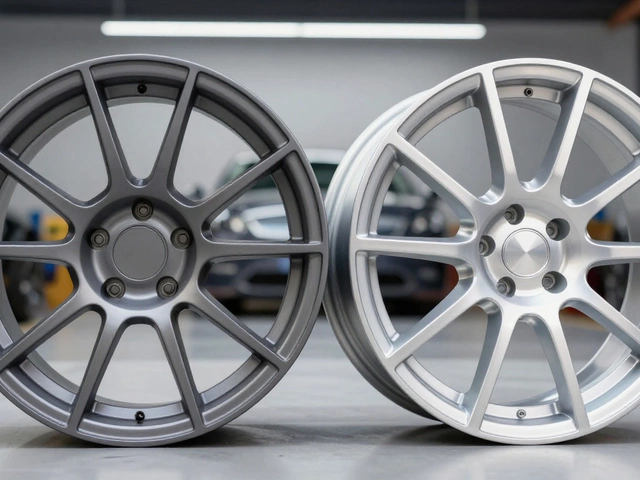
Discover why drivers switch to alloy wheels, from improving braking and fuel efficiency to enhancing car aesthetics and resale value.