Wiper Blade Maintenance: Keep Your Vision Clear and Safe
When it comes to driving safety, wiper blade maintenance, the regular care and timely replacement of windshield wipers to ensure clear visibility. Also known as windshield wiper care, it's not a luxury—it's a basic requirement for every driver. A single streak across your windshield in heavy rain can turn a short trip into a dangerous gamble. Most people don’t think about their wipers until they’re smearing water, leaving streaks, or skipping across the glass. By then, it’s too late. Wiper blades degrade over time due to sun exposure, temperature swings, road grime, and even simple age. Rubber hardens. The frame bends. The rubber edge tears. And suddenly, you’re driving blind in a downpour.
Rubber wiper blades, the traditional type made from natural or synthetic rubber, commonly used in most vehicles. Also known as standard wiper blades, they’re affordable and widely available—but they don’t last long. In harsh climates, they can crack or lose their flexibility in under six months. On the other hand, silicone wiper blades, a newer type made from silicone rubber that resists heat, UV damage, and extreme cold better than traditional rubber. Also known as premium wiper blades, they offer smoother operation, less noise, and can last up to twice as long. The difference isn’t just in longevity—it’s in performance. Silicone blades maintain a tighter seal on the glass, reducing chatter and smearing even in freezing rain or dusty conditions. Choosing between them isn’t just about price. It’s about how often you want to stop, bend over, and replace them. And don’t forget the frame—the metal or plastic arm that holds the blade. A bent frame won’t fix itself. It’ll keep dragging, leaving patches of uncleaned glass you won’t even notice until you’re trying to see a pedestrian at night.
Wiper blade maintenance isn’t just about swapping out worn parts. It’s about cleaning the glass regularly, checking for debris caught in the blade, and avoiding using them on dry windshields. A dirty windshield is like sandpaper on rubber. Every time you swipe across grit or dried mud, you’re wearing the blade down faster. A quick wipe with vinegar and water before installing new blades can make them last longer. And don’t assume your rear wiper is safe just because it’s smaller. It gets just as much exposure and just as much wear.
You’ll find posts here that break down the real differences between rubber and silicone blades, what signs mean your blades are done, and how to install them right the first time. No fluff. No marketing hype. Just what actually works on the road, in the rain, and in the cold. Whether you’re in a city with constant drizzle or a rural area with dusty backroads, keeping your wipers in good shape isn’t optional. It’s how you stay alive.

What's the Average Lifespan of a Windshield Wiper? Real-World Expectations and When to Replace Them
Windshield wipers typically last 6 to 12 months, but heat, sun, and snow can shorten their life. Learn the signs of wear, how climate affects performance, and when to replace them for maximum safety.
CONTINUE READINGRECENT POSTS
-

Is it Cheaper to Install Your Own Car Battery? Costs and Pros and Cons
Discover if installing your own car battery is actually cheaper. We compare DIY costs vs. professional shops, cover core charges, and explain the risks of modern car electronics.
-
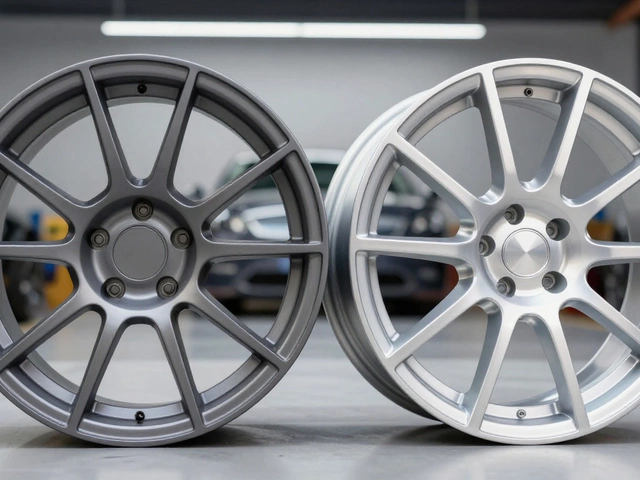
Why Upgrade to Alloy Wheels? Benefits, Performance, and Style
Discover why drivers switch to alloy wheels, from improving braking and fuel efficiency to enhancing car aesthetics and resale value.