Muffler Sound & Engine Compatibility Guide
The Truth About "Best" Muffler Sounds
There is no single muffler that sounds the best for every driver. If you want a deep, authoritative rumble at idle, you need something different than if you are chasing a high-pitched scream at redline. The "best" sound depends entirely on your vehicle’s engine type, its displacement, and how much noise you are willing to deal with during a long commute. What sounds like music to one person sounds like construction work to their neighbor.
When people ask which mufflers sound the best, they are usually looking for one of three things: a sporty growl, a classic muscle car roar, or a modern turbo whistle. Getting this wrong means buying an expensive part that leaves you disappointed because it drones at highway speeds or is so quiet you might as well have kept the stock system. Let’s break down how different technologies shape sound and help you pick the right voice for your ride.
How Mufflers Actually Make Noise
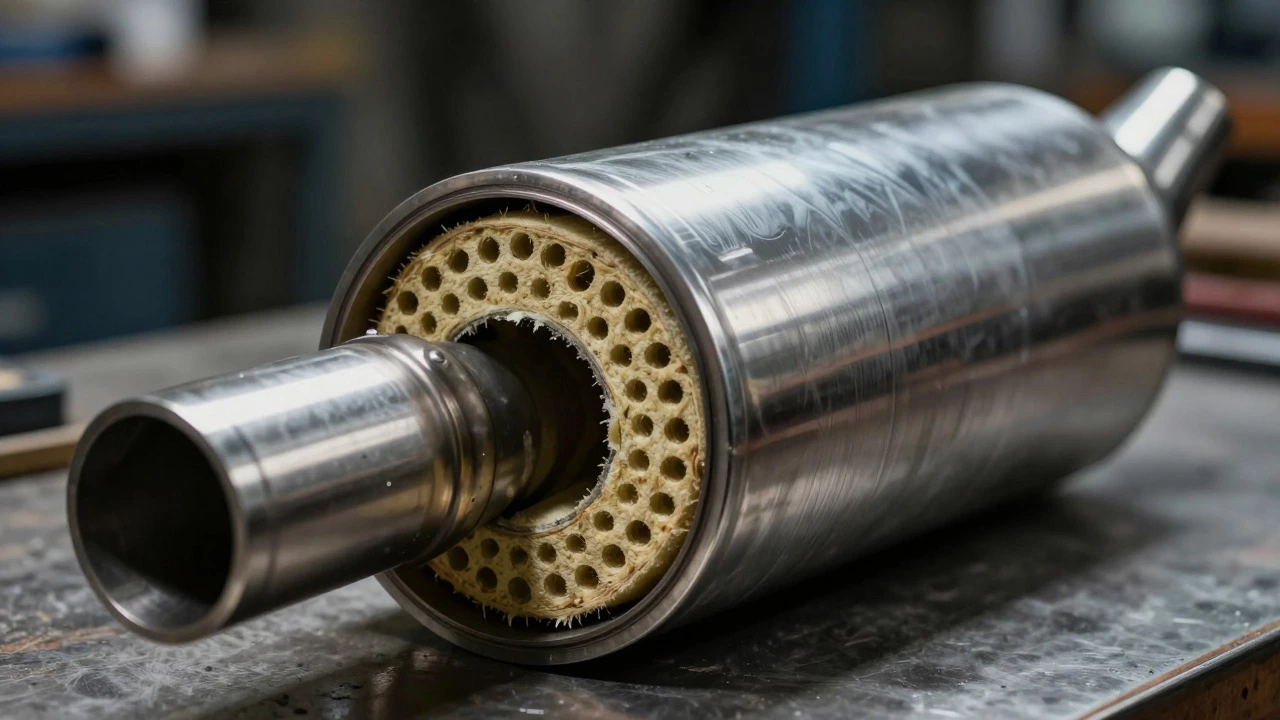
To understand why some mufflers sound better than others, you have to look inside them. A muffler doesn't just block sound; it cancels it out using physics. Most standard mufflers use chambers and internal baffles that split exhaust gases into smaller streams, causing sound waves to collide and cancel each other out. This creates that hushed, refined tone most factory cars have.
Performance mufflers change this dynamic. Instead of complex chambers, they often use simpler designs. For example, a straight-through muffler uses perforated tubes running through the center, allowing gas to flow freely while packing material absorbs specific frequencies. This design retains more low-end bass notes, giving you that deeper tone without killing horsepower. On the other hand, a turbo-style muffler utilizes reverse-flow technology where gas enters from both ends and exits the middle, creating a sharper, higher-pitched note. Understanding these internal structures helps you predict the sound before you even hear it.
The Top Contenders for Loud and Aggressive Tones
If your goal is maximum volume and aggression, you are likely looking at straight-through designs or resonator deletes. Here are the types that consistently rank highest in terms of decibel output and character.
| Muffler Type | Sound Character | Best For | Droning Risk |
|---|---|---|---|
| Straight-Through (Glasspack) | Deep, guttural growl | V8s, Large Displacement Engines | Low |
| Turbo / Reverse Flow | Sharp, aggressive bark | 4-Cylinders, Turbocharged Engines | Medium |
| Chambered (Street Legal) | Balanced, moderate volume | Daily Drivers, Commuting | Very Low |
| Straight Pipe (No Muffler) | Raw, deafening roar | Track Only, Drag Racing | High (Droning) |
Glasspack mufflers are legendary among V8 owners. Because they rely on fiberglass packing to absorb sound rather than blocking it with baffles, they let the natural frequency of the engine shine through. The result is a deep, throaty rumble that feels powerful without being piercing. However, on smaller engines, glasspacks can sometimes sound hollow or tinny because there isn’t enough exhaust pressure to create those rich bass notes.
Turbo-style mufflers, popularized by brands like Borla and MagnaFlow, offer a different vibe. They are louder and sharper. If you drive a four-cylinder or a twin-turbo six-cylinder, this is often the sweet spot. It adds an aggressive edge that makes the car feel faster, even when you aren’t pushing hard. The downside? They can be harsher on the ears over long distances compared to the smoother glasspack tone.
Engine Size Matters More Than Brand
A common mistake buyers make is choosing a muffler based solely on brand reputation. You can buy the most expensive muffler on the market, but if it’s designed for a small-displacement engine and you put it on a large V8, it will sound muffled and weak. Conversely, putting a massive V8 muffler on a four-cylinder will result in a raspy, unrefined drone that gets annoying quickly.
For V8 and larger engines, you want a muffler that allows free flow but maintains some backpressure control. Straight-through designs work best here. The large volume of air needs space to move, and the heavy pulses from big cylinders create natural sound waves that don’t need much amplification. Brands like MagnaFlow and known for high-flow stainless steel systems that enhance torque while providing a deep, commanding exhaust note excel in this category. Their X-pipe setups, when paired with straight-through mufflers, create a symphony of cross-firing pulses that sound incredibly muscular.
For four-cylinder and inline-six engines, the challenge is different. These engines produce less raw power and lower exhaust velocity. To get a satisfying sound, you need a muffler that amplifies higher frequencies. Chambered mufflers with tuned ports or turbo-style reverse flow designs are ideal. They compress the sound waves slightly, creating a sharper, more audible tone that cuts through road noise. Without this tuning, a small engine with a straight-through muffler often sounds flat and uninspired.
The Droning Problem: Why Quiet Isn't Always Better
One of the biggest complaints about aftermarket exhausts is droning. Droning is a low-frequency humming noise that occurs at specific RPM ranges, usually between 1,500 and 2,500 RPM. It happens when the exhaust system creates a standing wave that resonates inside the cabin. It’s not just annoying; it can cause headaches and fatigue on long drives.
Straight pipes and overly large diameter piping are prime culprits for droning. When you remove too many restrictions, the exhaust gas flows too freely, and the lack of turbulence eliminates the natural damping that prevents resonance. To avoid this, look for mufflers with active valve technology or carefully tuned chambered designs. Some modern systems include electronic valves that open at high RPM for performance and close at cruising speeds to kill the drone. While more expensive, this technology saves your sanity on highway trips.
Material and Build Quality Impact Longevity
Sound changes as a muffler ages. Cheap aluminized steel mufflers corrode from the inside out within two years, especially in coastal areas like Auckland where salt air is prevalent. As the internal baffles rust away, the sound becomes louder and raspier, losing its refined tone. Stainless steel, particularly 304 or 409 grade, resists corrosion and maintains its acoustic properties for decades.
Weld quality also matters. Poor welds can leak, introducing a ticking or hissing noise that ruins the overall tone. Look for manufacturers who advertise full penetration welding or laser-cut precision. This ensures that the only sound you hear is the exhaust gas, not air leaking from a bad seam. Investing in a stainless steel system from a reputable brand like Borla or renowned for S-type mufflers that balance aggressive sound with street-friendly refinement pays off in both sound consistency and durability.
Legal Considerations and Neighborhood Peace
Before you install the loudest muffler available, check your local regulations. In New Zealand, as in many places, there are strict noise limits for vehicles. While enforcement varies, living in a residential area means you need to consider your neighbors. A muffler that sounds great at the track might get you fined or asked to leave at a car meet if it’s excessively loud at idle.
Many states and countries require a functioning muffler and prohibit straight pipes. Even if it’s legal, social pressure is real. A good rule of thumb is the "conversation test": if you can’t hold a normal conversation inside your car at highway speeds, or if pedestrians complain when you idle, it’s probably too loud for daily driving. Opting for a "street legal" rated muffler gives you a nice upgrade in sound without crossing the line into nuisance territory.
Frequently Asked Questions
What is the difference between a glasspack and a turbo muffler?
A glasspack muffler uses a straight perforated tube surrounded by sound-absorbing packing material, resulting in a deep, guttural growl ideal for V8s. A turbo muffler uses reverse-flow technology where gas enters from both ends and exits the middle, creating a sharper, higher-pitched bark suitable for smaller or turbocharged engines.
Will a new muffler increase my horsepower?
Yes, but modestly. A high-flow performance muffler reduces backpressure, allowing the engine to breathe easier. This typically gains 2-5 horsepower on naturally aspirated engines and up to 10+ horsepower on turbocharged setups. The main benefit is usually improved throttle response rather than raw peak power.
Why does my exhaust drone at highway speeds?
Droning occurs when exhaust frequencies resonate inside the cabin at specific RPMs, usually due to excessive pipe diameter or lack of internal baffling. Straight pipes and oversized systems are common causes. Adding a resonator or switching to a chambered muffler can eliminate this humming noise.
Is it illegal to remove my muffler completely?
In most jurisdictions, including New Zealand, driving without a muffler is illegal due to noise pollution laws. Vehicles must be equipped with a functioning exhaust system that meets decibel limits. Straight piping is generally reserved for track-only use to avoid fines and noise complaints.
Which muffler brand sounds the best for a daily driver?
Brands like Borla and MagnaFlow offer excellent street-friendly options. Borla’s S-Type series provides a balanced, aggressive tone without excessive drone, making it ideal for daily commuting. MagnaFlow’s straight-through designs are great for those wanting a deeper sound without sacrificing comfort or reliability.





Write a comment