Car Maintenance in November 2025: Wiper Blades, Suspension, and Fuel System Fixes
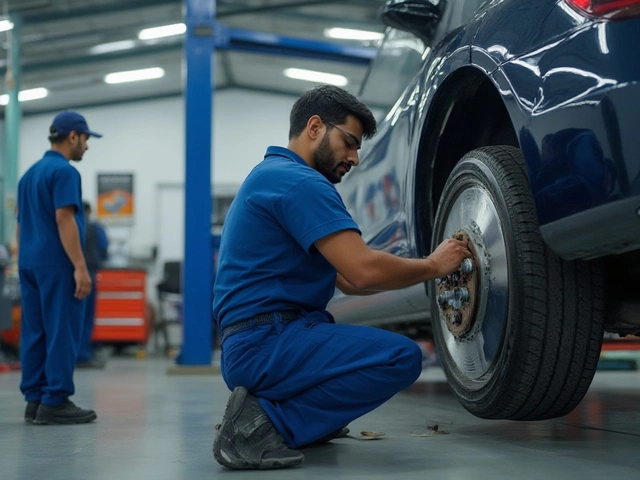
When it comes to keeping your car safe and running smoothly, car maintenance, the regular checks and repairs that prevent breakdowns and extend vehicle life. Also known as vehicle upkeep, it’s not about fancy tools or expensive visits—it’s about catching small problems before they turn into costly ones. In November 2025, the most common issues readers asked about weren’t exotic tech glitches or electric car quirks—they were the basics that fail when weather turns harsh: windshield wiper lifespan, how long your wipers actually last before they smear, chatter, or leave blind spots. Most people think they last two years. Reality? Six to twelve months, especially if you’re dealing with sun, salt, or snow. And if your wipers are old, you’re not just getting streaks—you’re risking your life in rain or fog.
Then there’s suspension problems, the hidden system that keeps your tires on the road and your ride steady. When shocks wear out, your car doesn’t just bounce—it takes longer to stop, wears out tires faster, and handles like a boat in a storm. Drivers often ignore the thumping noises or uneven tire wear, thinking it’s just "old age." But worn ball joints, struts, or control arms aren’t just annoying—they’re dangerous. And fixing them early saves hundreds, sometimes thousands, compared to waiting until your alignment is wrecked or your tires need replacing. Meanwhile, fuel pump failure, when the pump stops pushing gas to the engine. Also known as fuel system failure, it’s not a guess—it’s a hard stop. If your car cranks but won’t start, and the battery’s fine, the fuel pump is the usual suspect. AutoZone can test it if you bring it in, but knowing the signs—like sputtering at high speeds or silence when you turn the key—lets you act before you’re stranded. And don’t forget the radiator repair, how to fix leaks and clogs without buying a whole new unit. A small leak isn’t a death sentence. A flush can clear a clog. A sealant can hold for months. You don’t always need to replace it—you just need to know what to look for.
What you’ll find below isn’t theory. It’s real advice from real drivers who faced these issues in November 2025. From silicone vs rubber wiper blades that last longer in wet conditions, to how much a full exhaust system actually costs this year, to whether you can drive with bad shocks (and why you shouldn’t)—every post answers a question someone asked right when they needed it. No fluff. No jargon. Just what works, what doesn’t, and what you can do today to keep your car running safely through the season.

What's the Average Lifespan of a Windshield Wiper? Real-World Expectations and When to Replace Them
Windshield wipers typically last 6 to 12 months, but heat, sun, and snow can shorten their life. Learn the signs of wear, how climate affects performance, and when to replace them for maximum safety.
CONTINUE READING
What Are Signs of Worn Out Suspension? 7 Clear Warning Signs You Can't Ignore
Learn the 7 clear signs of worn out suspension that every driver should watch for-bouncing, uneven tire wear, steering issues, noises, and more. Don't ignore these warnings-they affect safety and cost more to fix later.
CONTINUE READING
Silicone vs Rubber Wiper Blades: Which One Lasts Longer and Performs Better?
Silicone wiper blades last longer, perform better in rain and snow, and reduce noise compared to rubber blades. Find out which one is truly better for your car in New Zealand's tough weather.
CONTINUE READING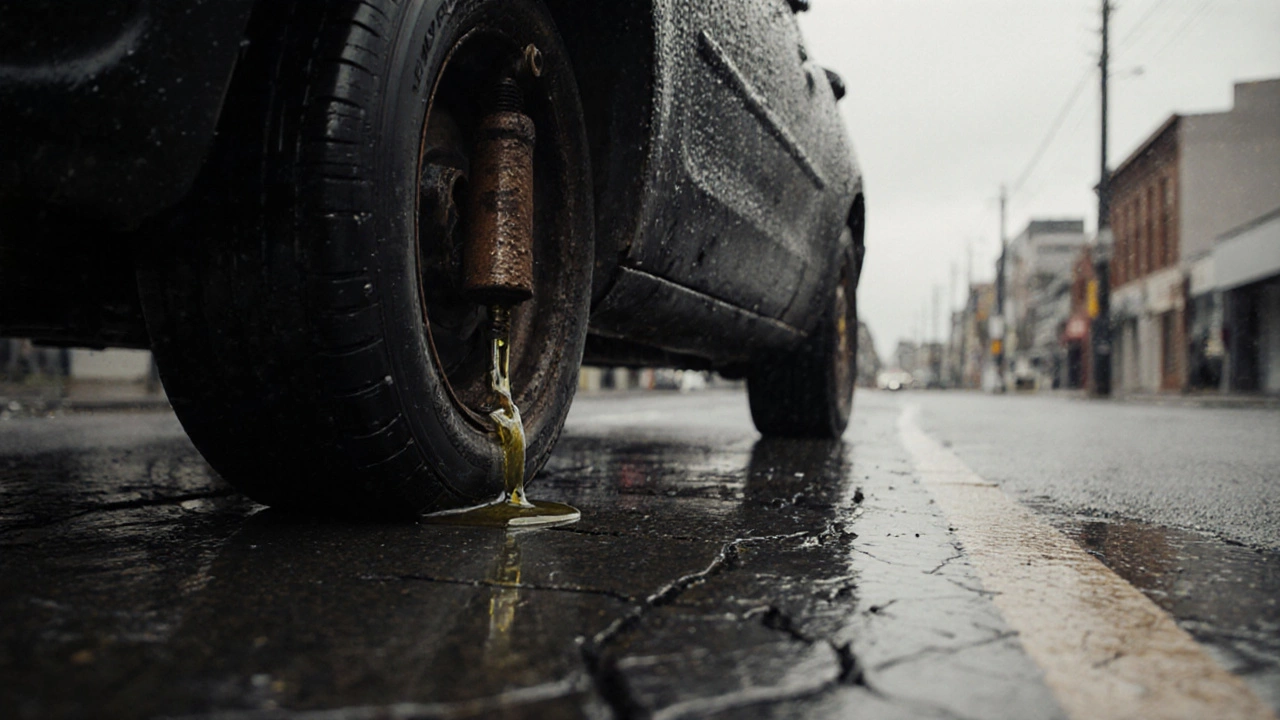
What Are the Most Common Suspension Repairs?
Learn the most common suspension repairs like worn shocks, ball joints, and struts. Understand the signs, costs, and risks of ignoring these issues for safer, smoother driving.
CONTINUE READING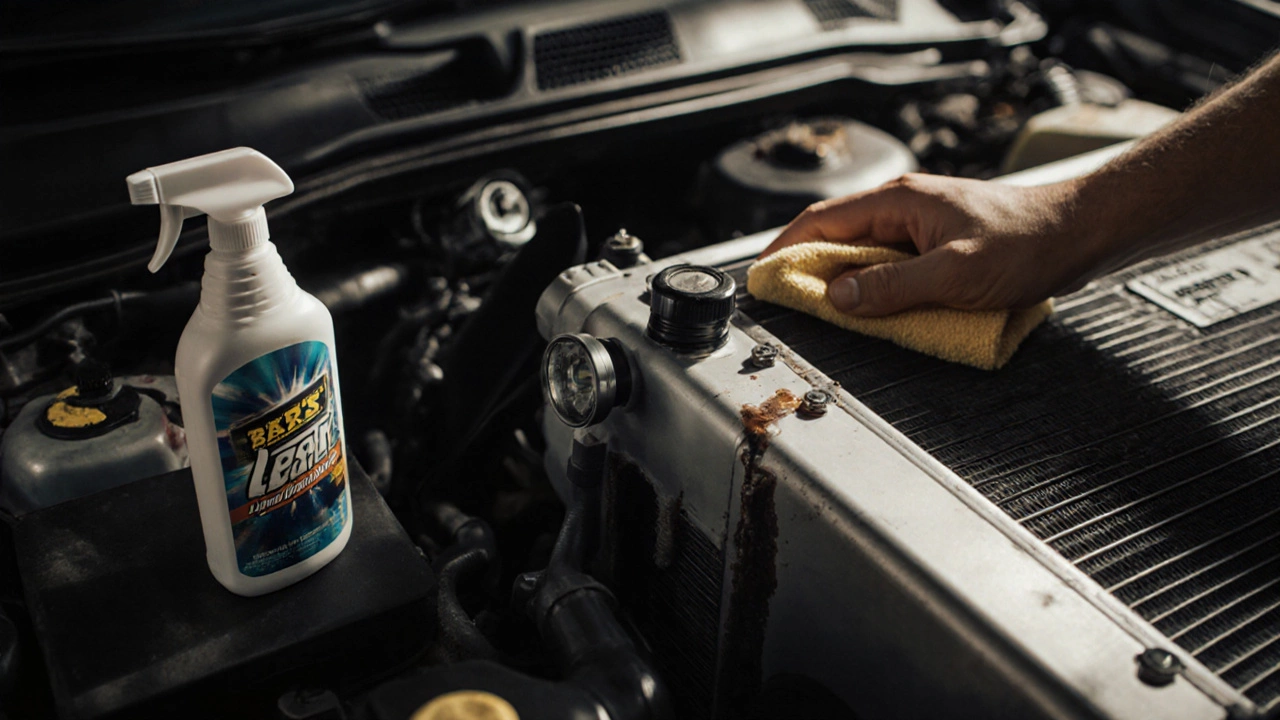
Can You Fix a Radiator Without Replacing It? Practical Fixes for Common Leaks and Clogs
You can often fix a leaking or clogged radiator without replacing it. Learn how to seal small leaks, flush clogs, and extend radiator life with simple, low-cost repairs that save hundreds.
CONTINUE READING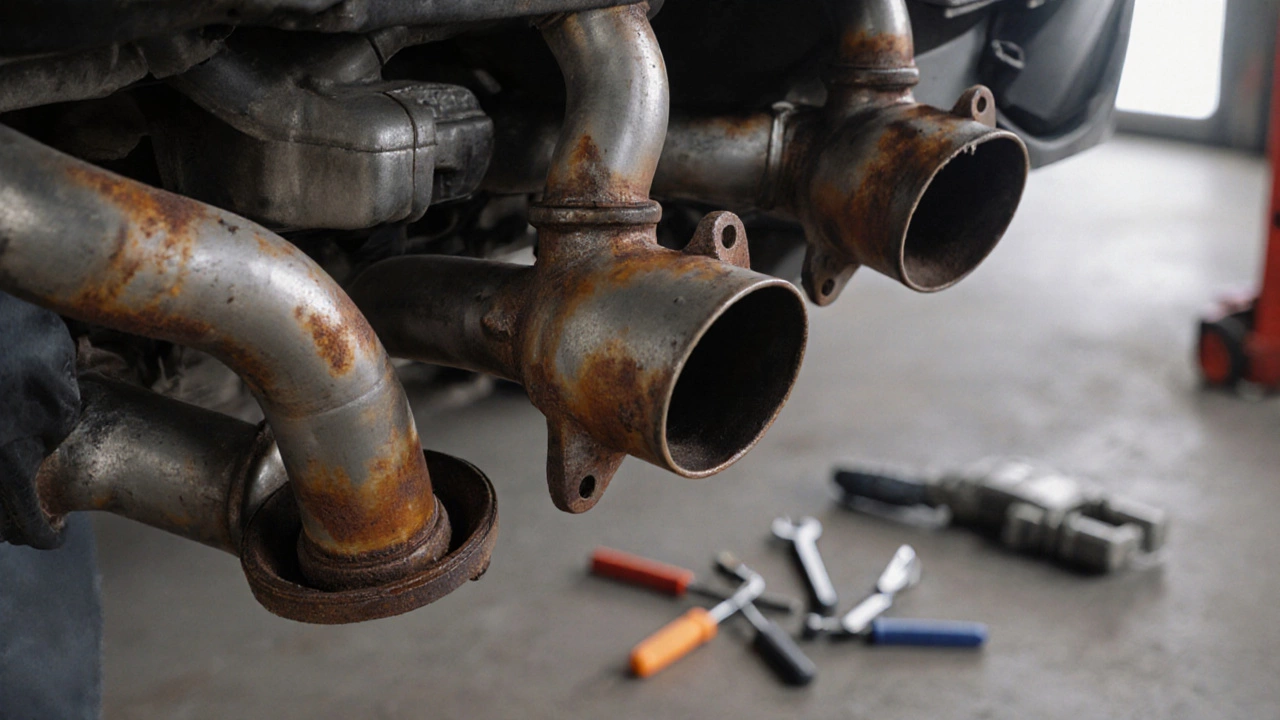
How Much Does a Full Exhaust System Cost? 2025 Prices Explained
Find out how much a full exhaust system costs in 2025 based on your vehicle type, material choices, and installation options. Get real prices, expert tips, and what to avoid.
CONTINUE READING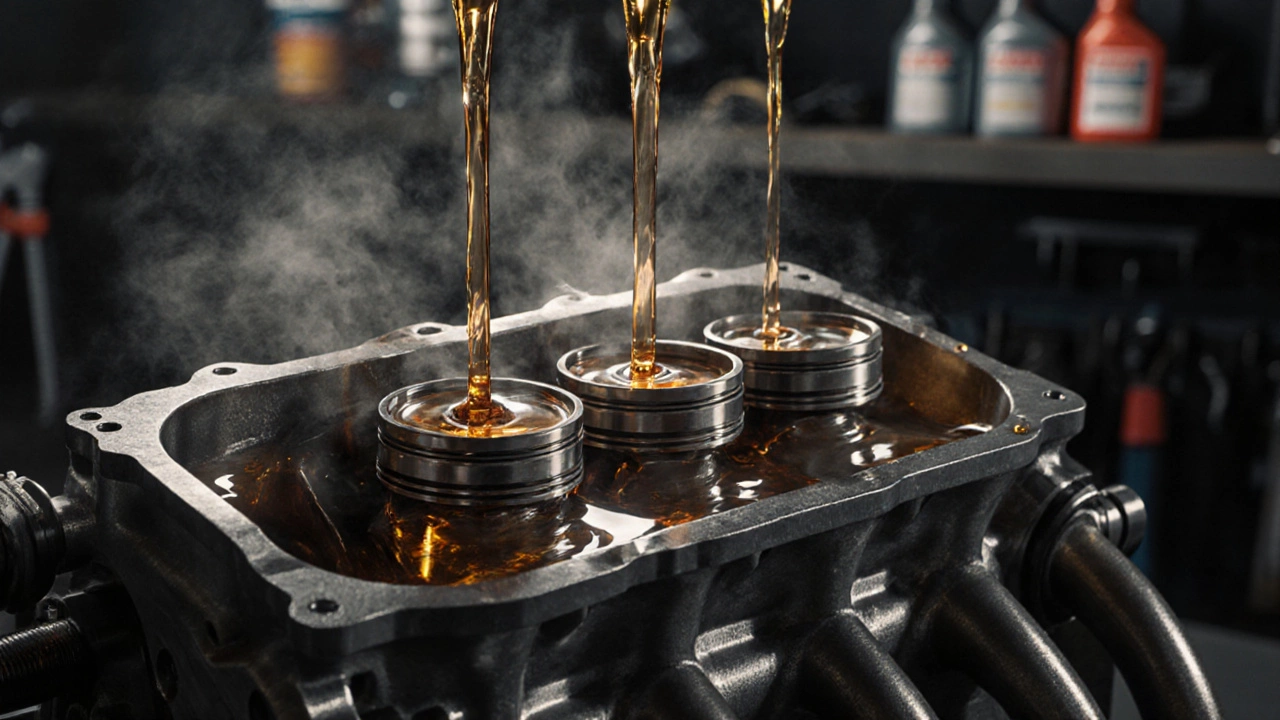
What Is Engine Oil Used For? The Simple Truth About Keeping Your Engine Alive
Engine oil isn't just for lubrication-it cools, cleans, seals, and protects your engine. Learn what it actually does and why skipping oil changes is a costly mistake.
CONTINUE READING
How Long Can You Drive With Bad Shocks? Real Risks and When to Replace Them
Driving with bad shocks reduces control, increases stopping distance, and wears out tires faster. Learn the signs, risks, and when to replace them for safety on New Zealand roads.
CONTINUE READING
Will a Car Run with a Dead Fuel Pump? What Really Happens
A car cannot run with a dead fuel pump. If your engine cranks but won’t start, and you’ve ruled out the battery and spark plugs, the fuel pump is likely the culprit. Learn the signs, what to check, and why ignoring it costs more.
CONTINUE READING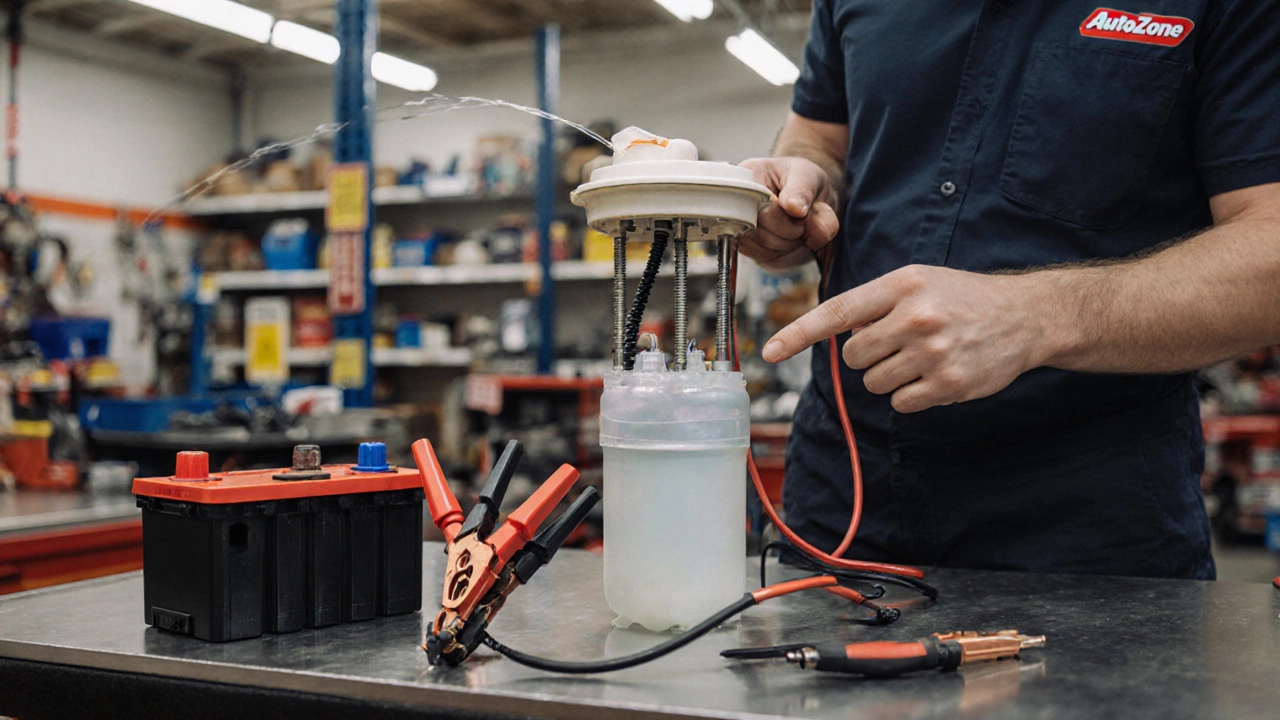
Can AutoZone Test a Fuel Pump? Here's What They Actually Do
AutoZone can test a fuel pump if you bring it in-here’s how they do it, what they can’t do, and how to tell if your pump is really bad. Save time and money with the right steps.
CONTINUE READINGRECENT POSTS
-

Is it Cheaper to Install Your Own Car Battery? Costs and Pros and Cons
Discover if installing your own car battery is actually cheaper. We compare DIY costs vs. professional shops, cover core charges, and explain the risks of modern car electronics.
-
Why Upgrade to Alloy Wheels? Benefits, Performance, and Style
Discover why drivers switch to alloy wheels, from improving braking and fuel efficiency to enhancing car aesthetics and resale value.