Engine Oil Starvation Simulator
Select a driving scenario to see the estimated time until catastrophic engine failure and watch the internal components fail in real-time.
Simulation Status
Internal Component Failure Sequence
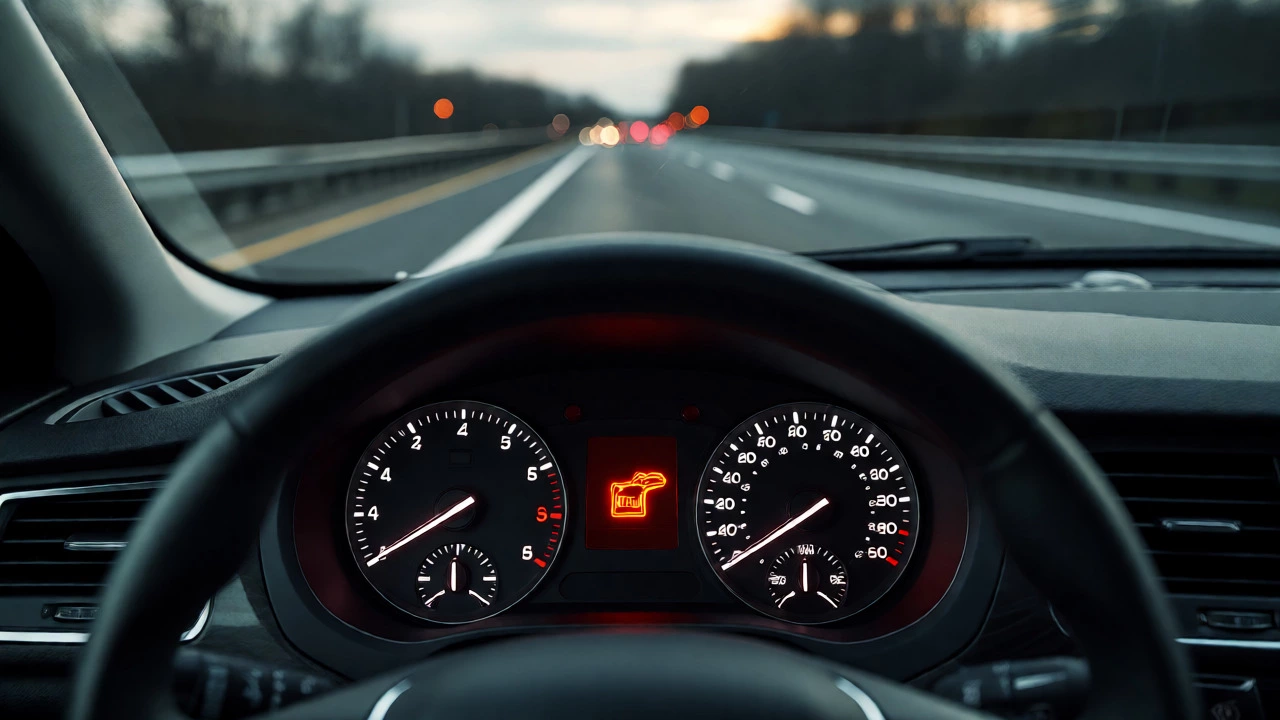
You’re driving down the highway when that orange oil can light pops on. Your heart sinks. You know you need to stop, but maybe you’re five miles from an exit, or perhaps you just want to see how far you can push it before the engine quits. It’s a dangerous gamble. The short answer? A modern car might survive 15 to 30 minutes at idle, but only seconds to a few minutes under load. Once the engine is starved of lubrication, metal-on-metal contact begins immediately. There is no safety margin here.
Think of engine oil as the blood of your vehicle. It doesn’t just keep things slippery; it cools components, cleans debris, and seals gaps between moving parts. When you pull the plug-or if a leak drains the pan-you aren’t just losing a fluid. You’re removing the thermal regulator and the friction barrier simultaneously. Most drivers underestimate how quickly heat builds up in an unlubricated environment. We’re talking about temperatures spiking past critical thresholds in under a minute during acceleration.
The Physics of Friction and Heat
Why does time vary so wildly? It comes down to load and RPM. An idling engine generates less friction than one revving at 4,000 RPM on a steep incline. In a laboratory setting, engineers can measure the exact moment bearings fail. In the real world, variables like ambient temperature, oil viscosity (if any remains), and engine design play huge roles.
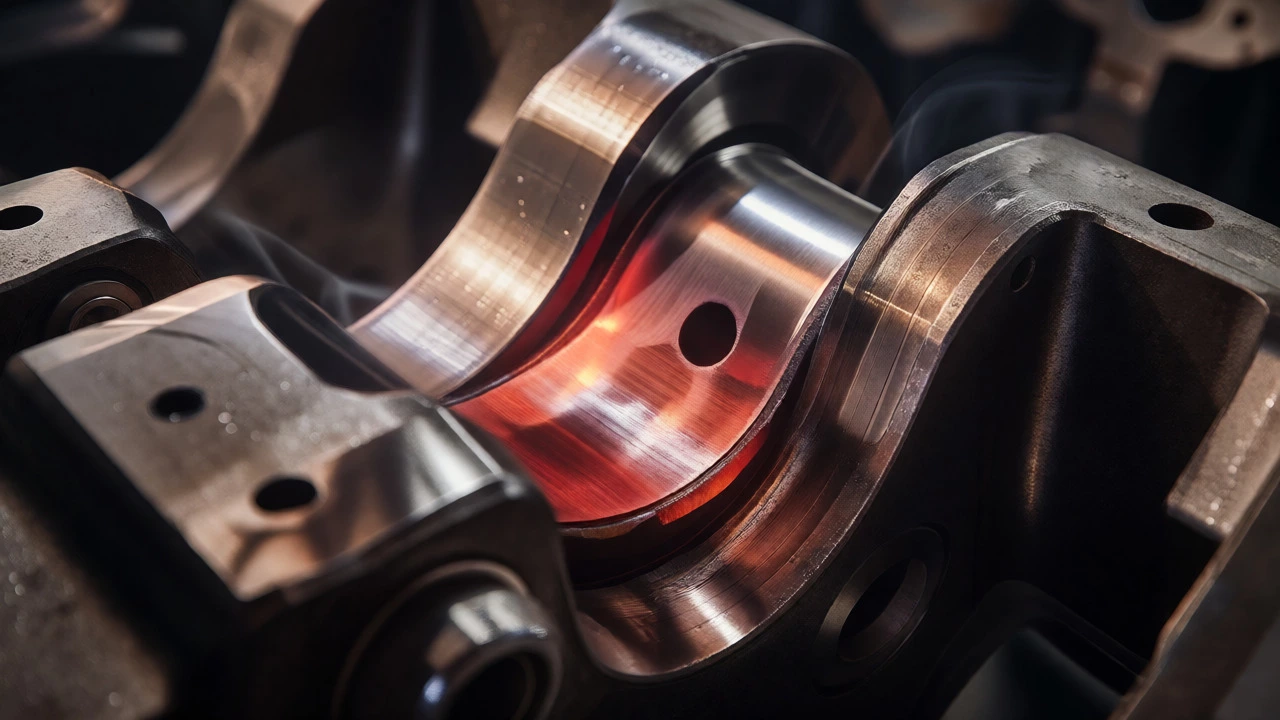
Consider the main bearings. These support the crankshaft and rotate at high speeds. Without a film of oil, the coefficient of friction skyrockets. This creates intense heat. Steel expands when heated. If the bearing overheats, it swells, clamps down on the crankshaft, and seizes. This process isn’t gradual. It’s often sudden and catastrophic. A seized engine usually means the block is cracked or the crankshaft is bent beyond repair.
Timeframes: Idle vs. Driving
Let’s break this down into practical scenarios. You need to know what to expect based on what you’re doing with the car.
- Idle: At low RPMs, the engine produces minimal heat. You might get 15-30 minutes before noticeable knocking starts. However, wear is still happening rapidly.
- City Driving: Stop-and-go traffic involves frequent acceleration. Expect failure within 5-10 minutes. The stress on pistons and rods increases significantly compared to idle.
- Highway Cruising: Constant speed reduces some variable loads, but sustained RPMs generate steady heat. Failure typically occurs within 3-7 minutes.
- Heavy Load/Towing: If you’re pulling a trailer or climbing a mountain pass, the engine works hard. Seizure can happen in less than 60 seconds.
These numbers are averages. Some robust diesel engines might last slightly longer due to heavier construction, while high-performance gasoline engines with tight tolerances may fail faster. Never bet your wallet on the upper end of these estimates.
Signs Your Engine Is Dying
Your ears and nose will warn you before the engine dies completely. Listen for ticking sounds first. This indicates hydraulic lifters are collapsing because they lack oil pressure. Next, you’ll hear a deep knock. That’s the connecting rods hitting the crankshaft. If you ignore the knock, you’ll smell burning metal. Finally, the engine will stall abruptly. Once it stalls, do not try to restart it. You’ve likely caused permanent damage.
Dashboard warnings are your best friend. Modern cars have sophisticated sensors. The oil pressure light triggers when pressure drops below a safe threshold (usually around 5-10 PSI). Don’t confuse this with the oil level sensor. Pressure loss means immediate danger. Level loss means you need to top off soon. If both lights come on, pull over instantly.
What Happens Inside the Engine?
When oil disappears, specific components fail in a predictable order. Understanding this sequence helps diagnose post-mortem damage.
| Component | Failure Mode | Timeframe (Under Load) |
|---|---|---|
| Hydraulic Lifters | Collapsing due to lack of pressure; causes ticking noise. | Seconds |
| Camshafts | Scored surfaces; valve timing becomes erratic. | Minutes |
| Main Bearings | Overheating and swelling; leads to seizure. | 1-3 Minutes |
| Pistons/Rings | Scoring cylinder walls; loss of compression. | Concurrent with bearings |
| Crankshaft | Bent or snapped rod bolts; total lock-up. | Final Stage |
The camshafts are particularly vulnerable because they operate under high pressure against the valve springs. Without oil, the lobes grind against the followers. This alters valve timing, causing misfires and power loss. Meanwhile, the piston rings rely on oil to seal combustion gases. Dry rings allow blow-by, reducing efficiency and increasing heat further.
Can You Save the Engine?
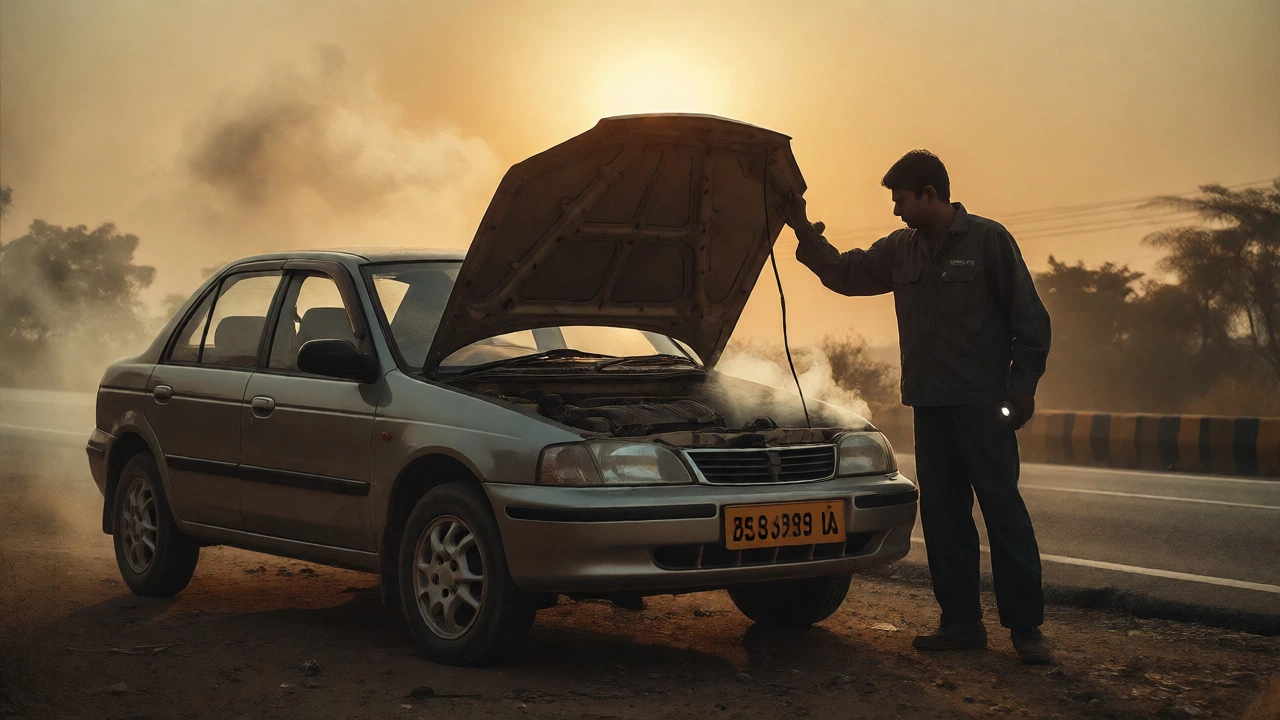
If you caught it early-say, the light came on and you pulled over immediately-you might be lucky. Add the correct grade of oil and check for leaks. If the engine runs smoothly afterward, monitor oil pressure closely. But if you drove until it knocked or stalled, hope fades.
In cases of mild starvation, a mechanic might perform a compression test. Low readings indicate ring or valve damage. If compression is good but noise persists, inspect the bottom end. Sometimes, replacing bearings and machining the crankshaft can save the block. This costs $1,500-$3,000 depending on labor rates. Compare that to a new engine ($3,000-$8,000) or a used replacement ($1,000-$2,500). The math rarely favors extensive repairs unless the car has sentimental value.
Prevention Is Cheaper Than Cure
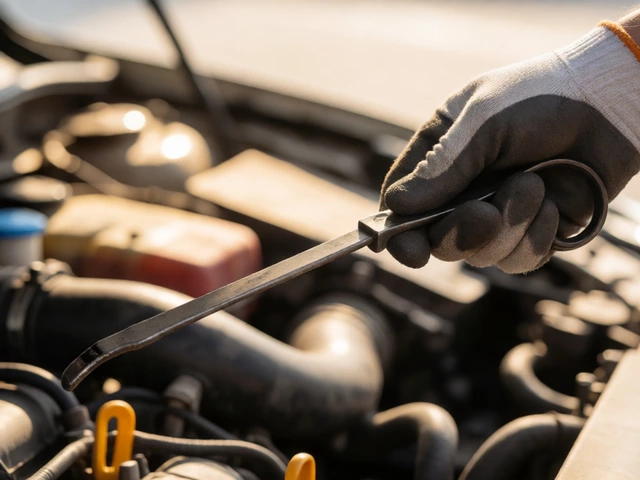
Most oil-related failures stem from negligence, not bad luck. Check your dipstick every time you fill up gas. It takes ten seconds. Look for milky residue, which signals coolant mixing with oil (a head gasket issue). Also, watch for black sludge, indicating infrequent changes.
Use the right oil viscosity. Manufacturers specify grades like 0W-20 or 5W-30 for a reason. Thicker oils don’t always protect better; they might not flow quickly enough to reach upper valvetrain components during cold starts. Synthetic oils generally offer better protection against breakdown at high temperatures, extending the window of safety slightly, but they don’t make you invincible.
How long can a car drive without oil?
It depends on the driving conditions. At idle, a car might run for 15-30 minutes before significant damage occurs. Under normal city driving, expect failure within 5-10 minutes. During high-speed highway driving or heavy towing, the engine can seize in less than 5 minutes, sometimes even under 60 seconds.
Will my engine explode if I run out of oil?
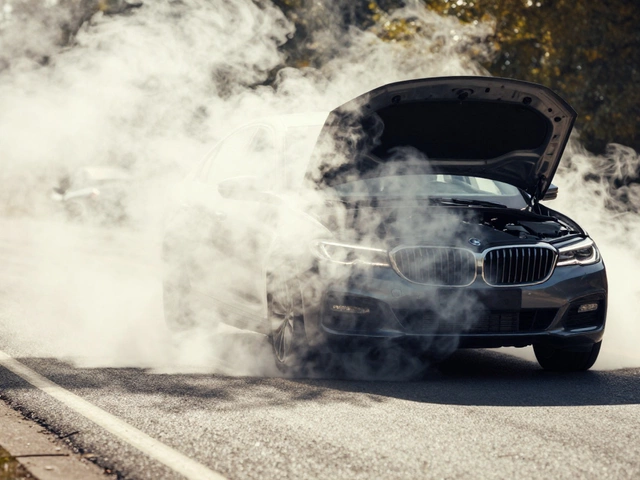
No, the engine won't explode like a bomb. Instead, it will seize. Metal components expand from heat and weld themselves together, locking the rotating assembly. The car will jerk, stall, and refuse to start again. Smoke may come from the exhaust due to burning oil residues or internal fluids leaking into cylinders.
Is synthetic oil safer than conventional oil?
Synthetic oil provides better thermal stability and flows better in extreme temperatures, offering slightly more protection during brief periods of low pressure. However, it does not prevent seizure if there is zero oil. Both types fail similarly once the reservoir is empty.
Can I fix an engine that ran without oil?
If the engine was stopped immediately after the warning light appeared, it might be fine after refilling and checking for leaks. If it made knocking noises or stalled, major repairs are needed. This could involve replacing bearings, machining the crankshaft, or installing a new short block. Often, replacing the entire engine is more cost-effective.
Does running without oil void my warranty?
Yes, most manufacturers consider operating an engine without sufficient oil as misuse or neglect. If you damage the engine by ignoring maintenance schedules or driving with known leaks, warranty claims for engine repairs are frequently denied.





Write a comment