Spark Plug Replacement Cost Calculator
Imagine trying to light a campfire with wet matches. You strike them, maybe one catches, but most just fizzle out. Your engine is doing something similar when it runs on old spark plugs. The question isn't really whether new or old spark plugs are "better" in a philosophical sense-it's about physics and chemistry. New spark plugs deliver a strong, consistent spark every time. Old ones struggle, misfire, and waste your money at the pump.
If you're debating whether to skip a tune-up or push through that rough idle, here is the hard truth: old spark plugs are actively hurting your vehicle. They don't just wear out; they degrade performance, increase emissions, and can even cause expensive damage to other parts of your engine if left too long.
The Science of the Spark
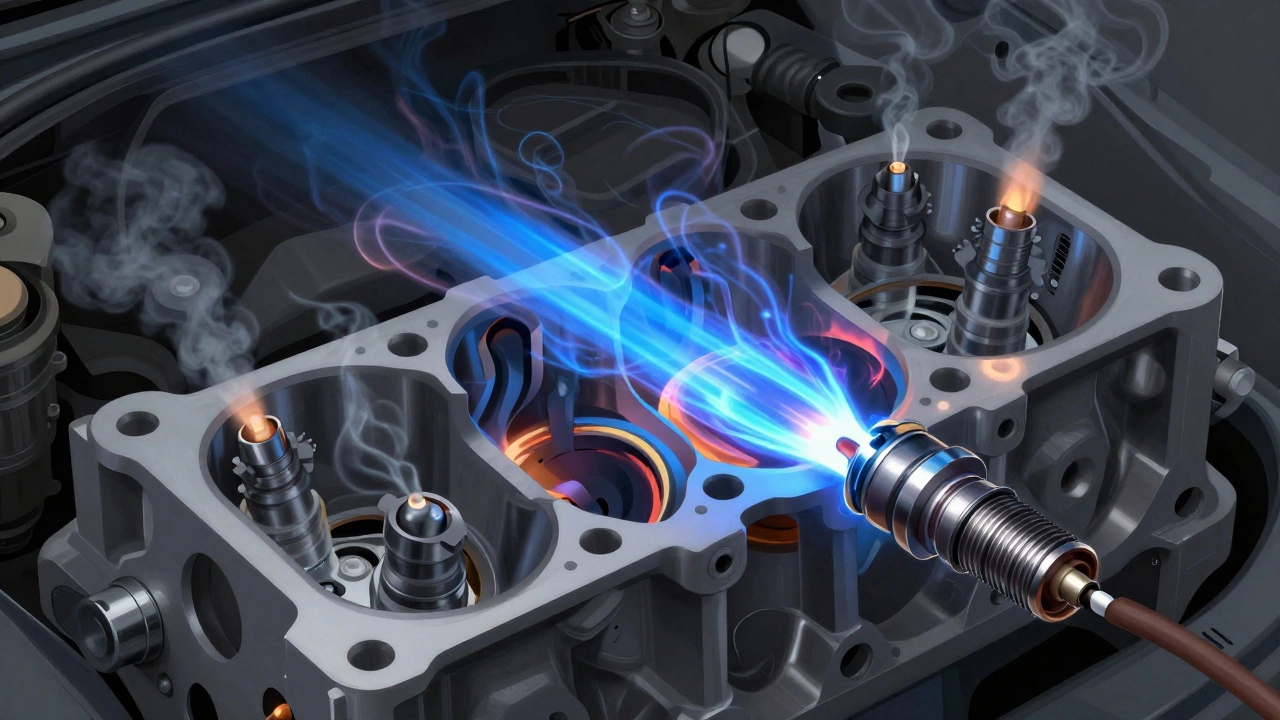
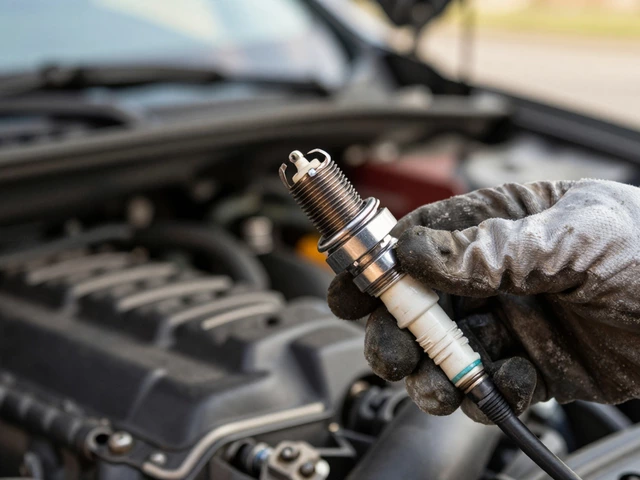
To understand why new spark plugs are superior, you have to look at what they actually do. A spark plug is a critical component of an internal combustion engine that delivers an electric charge to ignite the air-fuel mixture in the combustion chamber. It’s the only part of the ignition system that sits directly inside the cylinder where the explosion happens.
When the plug fires, it creates a high-voltage arc across a small gap between two electrodes. This arc ionizes the air, creating a plasma channel that allows electricity to jump the gap. That tiny burst of energy ignites the compressed gasoline and air mixture, pushing the piston down and generating power.
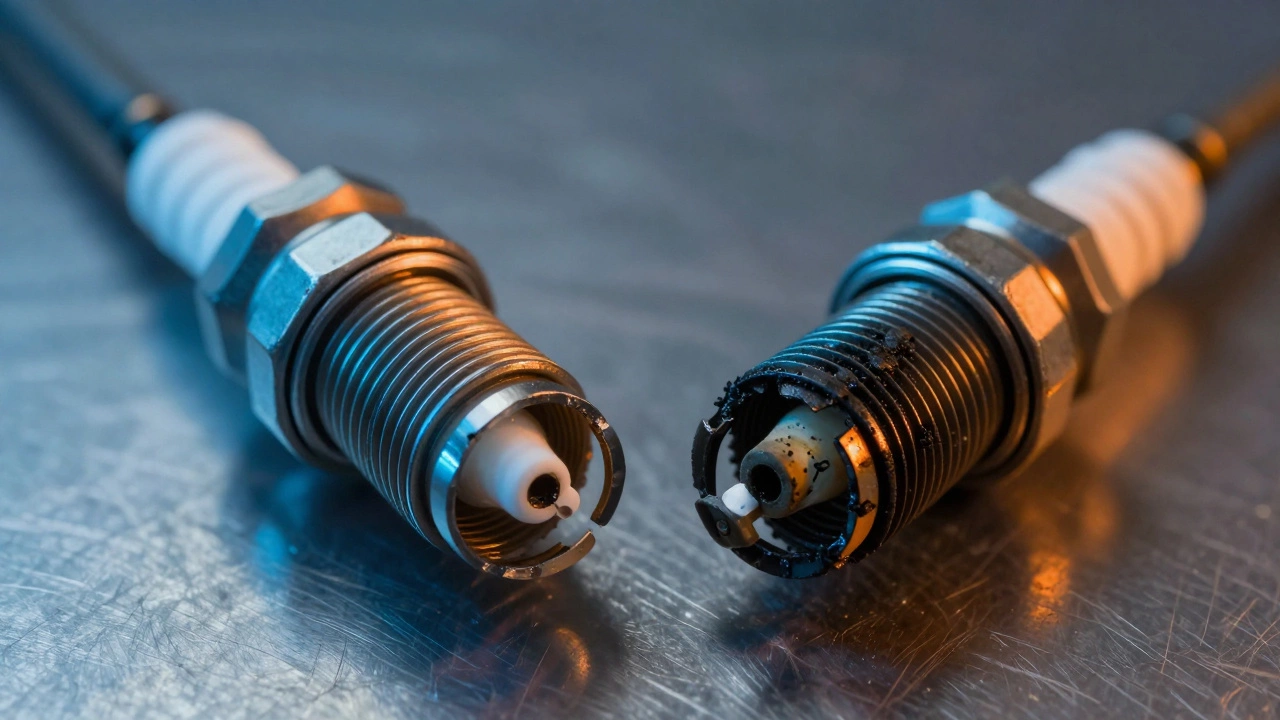
New spark plugs have precise electrode gaps-usually between 0.028 and 0.060 inches, depending on your car. The metal tips are sharp and clean. As the plug ages, carbon builds up, the ceramic insulator cracks, and the electrodes erode. This erosion widens the gap. A wider gap requires more voltage to jump. If the ignition coil can't provide enough voltage, the spark fails. No spark means no combustion. That cylinder goes dead for that cycle, leading to a loss of power and unburned fuel dumping into the exhaust.
Why Old Spark Plugs Fail You
You might think, "My car still starts, so why change them?" But running on worn-out plugs is like driving with one tire slightly underinflated. You won't notice it immediately, but the cost adds up fast. Here is what happens when you keep old plugs in too long:
- Poor Fuel Economy: When a spark is weak, the air-fuel mixture doesn't burn completely. Your engine computer detects this incomplete combustion and often compensates by injecting more fuel to maintain power. Studies from the Department of Energy suggest that replacing fouled spark plugs can improve gas mileage by up to 30% in vehicles with significant ignition issues.
- Rough Idling and Misfires: Have you ever felt your steering wheel vibrate while stopped at a red light? That’s likely a misfire. Old plugs cause uneven firing among cylinders. This imbalance shakes the engine and stresses the mounts.
- Hard Starting: In cold weather, the battery is already struggling. If your spark plugs are weak, the starter motor has to crank longer to get the engine going. This drains your car battery, which stores electrical energy to start the engine and power accessories when the engine is off. and puts extra wear on the starter solenoid.
- Catalytic Converter Damage: This is the big one. Unburned fuel from a misfiring cylinder flows into the exhaust system and enters the catalytic converter, which is an emission control device that converts toxic gases and pollutants in exhaust gas from an internal combustion engine into less-toxic gas. Inside the converter, this fuel can ignite, causing extreme heat that melts the internal honeycomb structure. Replacing a catalytic converter costs hundreds, sometimes thousands of dollars. Replacing spark plugs costs fifty bucks. Do the math.
Types of Spark Plugs and Lifespan
Not all spark plugs are created equal. The type of material used in the center electrode determines how long they last and how well they perform. Knowing which type you have helps you decide when "old" becomes "dangerous."
| Type | Material | Average Lifespan | Best For |
|---|---|---|---|
| Copper | Copper core, nickel alloy tip | 20,000 - 30,000 miles | Older cars, classic vehicles, low-budget replacements |
| Platinum | Platinum tip on center electrode | 60,000 miles | Daily drivers, moderate performance needs |
| Double Platinum | Platinum on both electrodes | 60,000 - 100,000 miles | Vehicles with wasted spark ignition systems |
| Iridium | Fine iridium wire tip | 100,000 - 120,000+ miles | Modern direct-injection engines, high-performance applications |
If you have copper plugs, "old" means anything over 30,000 miles. If you have iridium plugs, you might be fine until 100,000 miles. However, mileage isn't the only factor. Driving conditions matter. Short trips, dusty environments, and heavy towing accelerate wear. If you drive mostly short distances where the engine never fully warms up, moisture and fuel residue build up on the plugs faster, fouling them prematurely regardless of the material.
Signs Your Spark Plugs Are Too Old
You don't need a mechanic to tell you when your plugs are dying. Your car will talk to you if you listen. Watch for these specific symptoms:
- Check Engine Light: Specifically, codes like P0300 (random misfire) or P0301-P0308 (cylinder-specific misfire) point directly to ignition issues.
- Lack of Acceleration: When you step on the gas, the car hesitates or surges instead of responding smoothly. This is often called "hesitation" or "surging."
- Increased Exhaust Smoke: Black smoke from the tailpipe indicates rich fuel mixture due to incomplete combustion. Blue smoke suggests oil burning, but white or gray smoke can also relate to ignition timing issues caused by bad plugs.
- Noise Under Load: A loud popping or backfiring sound during acceleration or deceleration can mean the spark is happening at the wrong time or failing entirely.
If you see any of these signs, check your odometer. If you haven't changed them recently, assume they are the culprit. It’s the cheapest diagnostic test you can run.
The Cost of Waiting
Let’s look at the economics. A set of four standard spark plugs costs between $15 and $40. Labor, if you pay a shop, might add $50 to $100. Total job: under $150. Now compare that to the cost of ignoring them.
Driving with fouled plugs reduces fuel efficiency. If your car gets 25 MPG normally, bad plugs might drop that to 20 MPG. Over 10,000 miles, that’s an extra 200 gallons of gas. At current prices, that’s hundreds of dollars wasted. Then there’s the risk to the catalytic converter, as mentioned earlier. One severe misfire event can crack the converter substrate. Replacement costs range from $800 to $2,500 depending on the vehicle.
There’s also the environmental angle. Old spark plugs increase hydrocarbon (HC) and nitrogen oxide (NOx) emissions. These contribute to smog and respiratory problems. Keeping your ignition system fresh is a small way to reduce your carbon footprint.
Should You Change Them Yourself?
Replacing spark plugs is one of the most common DIY car repairs. It’s not difficult, but it requires care. Here’s what you need to know before you grab a wrench.
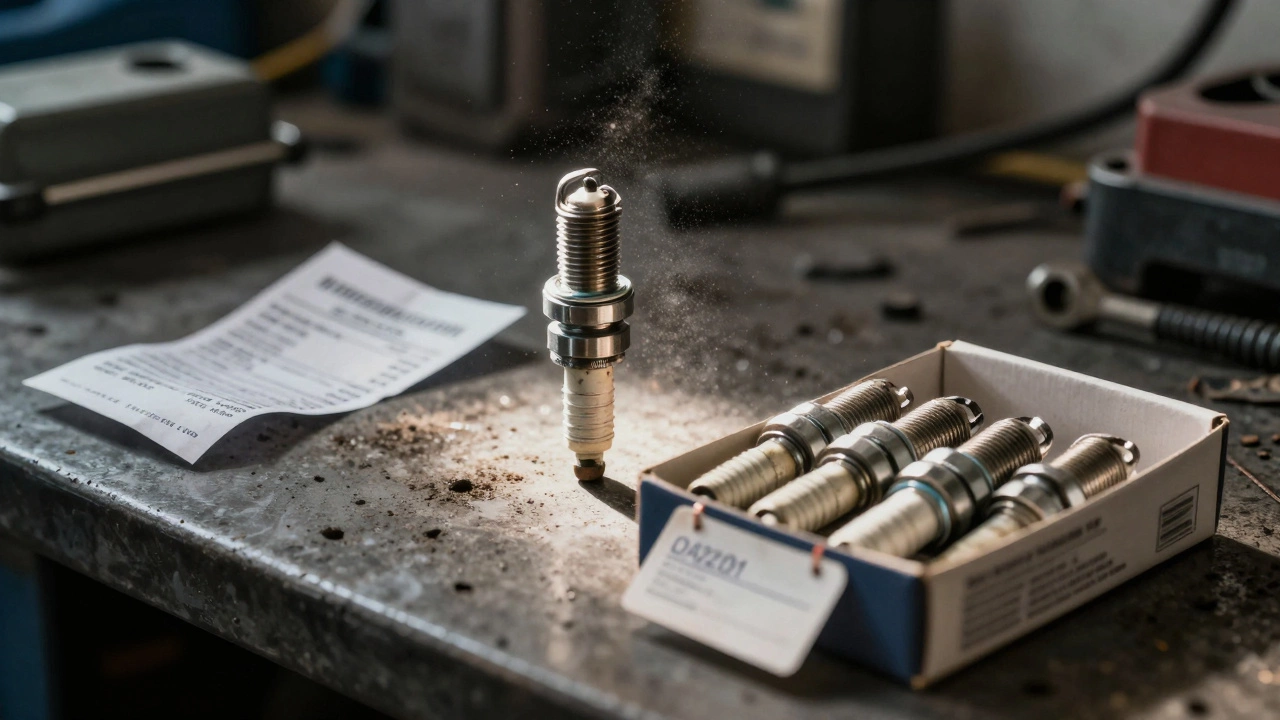
First, safety. Always work on a cool engine. Hot cylinders can warp aluminum heads if you overtighten a plug. Second, use the right tools. You need a spark plug socket with a rubber insert to grip the plug securely, a ratchet, and an extension bar. Most importantly, use a torque wrench. Spark plugs are threaded into the cylinder head. Overtightening can strip the threads or crack the ceramic insulator. Undertightening can allow the plug to loosen from vibration, causing leaks and misfires. Consult your owner’s manual for the specific torque specification-usually between 10 and 20 foot-pounds.
Before installing new plugs, check the gap. Even though many come pre-gapped, shipping and handling can knock them out of alignment. Use a feeler gauge to verify the gap matches your manufacturer’s spec. If it’s off, gently bend the ground electrode to adjust. Never touch the center electrode; it’s fragile.
Apply a tiny amount of anti-seize compound to the threads? Actually, modern advice says no. Most new plugs come with a factory coating that prevents seizing. Adding extra anti-seize can throw off your torque calculation, leading to overtightening. Stick to dry threads unless your manual specifically says otherwise.
Maintenance Schedule: When to Replace
Don’t wait for failure. Follow a proactive schedule based on your plug type and driving habits.
- Copper Plugs: Replace every 20,000 to 30,000 miles.
- Platinum Plugs: Replace every 60,000 miles.
- Iridium Plugs: Replace every 100,000 to 120,000 miles.
If you tow trailers, drive in dusty areas, or primarily take short trips, shorten these intervals by half. Inspect your plugs during oil changes. Pull one out and look at it. A healthy plug should have a light tan or gray color on the insulator nose. Black and sooty means rich fuel mixture or oil leakage. White and blistered means overheating or lean mixture. Either way, replace them.
Conclusion: New Is Always Better
So, is it better to have new spark plugs or old ones? New ones win without question. They ensure complete combustion, maximize fuel economy, protect expensive emissions components, and provide smooth, reliable power delivery. Old spark plugs are a ticking time bomb of inefficiency and potential damage. Treat them as a regular maintenance item, not an optional repair. Your wallet and your engine will thank you.
Can I drive with old spark plugs?
Yes, but it’s risky. While your car may still run, old spark plugs reduce fuel efficiency, increase emissions, and can cause engine misfires. Prolonged use can lead to damage to the catalytic converter, resulting in costly repairs. It’s best to replace them according to the manufacturer’s schedule.
How much does it cost to replace spark plugs?
The cost varies by vehicle and plug type. Parts typically range from $15 to $50 for a set. Labor at a repair shop adds $50 to $100. Doing it yourself saves labor costs, making it one of the most affordable maintenance tasks. High-performance iridium plugs may cost more upfront but last longer.
What are the symptoms of bad spark plugs?
Common signs include rough idling, difficulty starting the engine, poor acceleration, decreased fuel economy, and a illuminated check engine light. You might also hear popping or backfiring sounds from the exhaust. If you experience any of these, inspect your spark plugs immediately.
Do I need to gap new spark plugs?
Most modern spark plugs come pre-gapped, but it’s wise to check them before installation. Shipping vibrations can alter the gap. Use a feeler gauge to verify the gap matches your vehicle’s specifications. Adjust gently if necessary, avoiding contact with the delicate center electrode.
Can bad spark plugs damage my catalytic converter?
Yes. Misfires caused by worn spark plugs send unburned fuel into the exhaust system. This fuel can ignite inside the catalytic converter, generating excessive heat that melts its internal structure. Repairing or replacing a damaged catalytic converter is significantly more expensive than changing spark plugs.







Write a comment