Brake Pad Price: What You Really Pay and What to Watch For
When your brakes start squealing or the pedal feels spongy, the first question isn’t just brake pad price—it’s whether you’re being scammed. Brake pads are one of the most frequently replaced parts on any car, but prices vary wildly based on your vehicle, brand, and where you buy them. A set for a Honda Civic might cost $60, while the same part for a BMW X5 could run $300 or more. This isn’t just about brand names—it’s about materials, performance needs, and how your driving habits wear them down. Understanding what goes into that price helps you avoid paying for hype instead of safety.
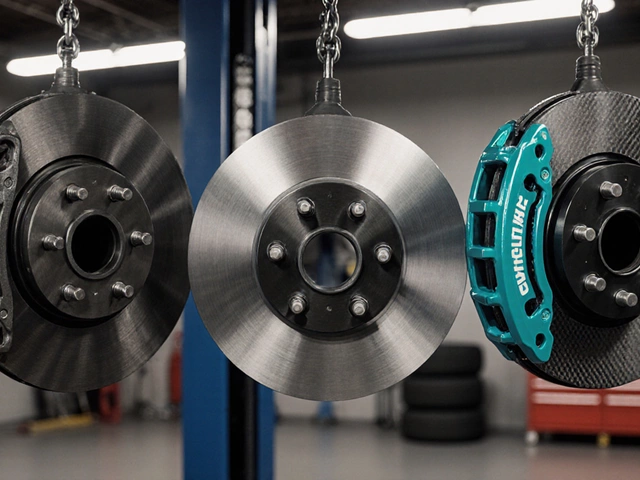
Brake pads aren’t one-size-fits-all. They come in organic, semi-metallic, and ceramic types, each with different trade-offs. Ceramic pads last longer, make less dust, and handle heat better, but they cost more upfront. Semi-metallic pads are tougher and cheaper, but they wear down rotors faster and get noisy when cold. Organic pads are soft and quiet, but they don’t last long under heavy braking. The brake caliper price, the component that squeezes the brake pad against the rotor also plays a role—if your calipers are sticking or leaking, replacing just the pads won’t fix the problem. That’s why many mechanics recommend checking the calipers and rotors at the same time. You might save money now by skipping it, but you’ll pay for it later in uneven wear or brake fade.
Time matters too. The brake pad replacement time, how long it takes to swap out worn pads and inspect the system usually runs between 1 to 2 hours per axle, depending on your car’s design. Some vehicles make it easy; others require removing the wheel, caliper, and sometimes even the ABS sensor. If a shop quotes you 30 minutes, they’re likely cutting corners. And don’t assume all shops charge the same. AutoZone and other parts stores often offer free installation if you buy the pads from them—something you won’t find at every dealership. The real cost isn’t just the part—it’s the labor, the inspection, and whether they check your brake fluid, lines, and hardware.
What you’re really paying for is peace of mind. Bad brakes don’t just cost money—they cost safety. If your pads are worn past the wear indicator, you’re grinding metal on metal, which can damage the rotors and cost hundreds more to fix. Heat, stop-and-go traffic, and heavy loads all shorten pad life. If you drive in the city or haul gear often, you might need new pads every 25,000 miles. Highway drivers might get 50,000 or more. The best way to know? Listen, feel, and check. Squeaking? A thin pad. Vibration? Warped rotor. Longer stopping distance? Time to act. The right brake pad price isn’t the cheapest—it’s the one that gets you home safely, without surprise bills down the road.
Below, you’ll find real-world breakdowns of what brake pads cost across different vehicles, how long replacements take, what to look for when buying, and why skipping a caliper check is a false economy. Whether you’re planning a DIY job or just want to know if your mechanic is being fair, these guides give you the facts—not the fluff.
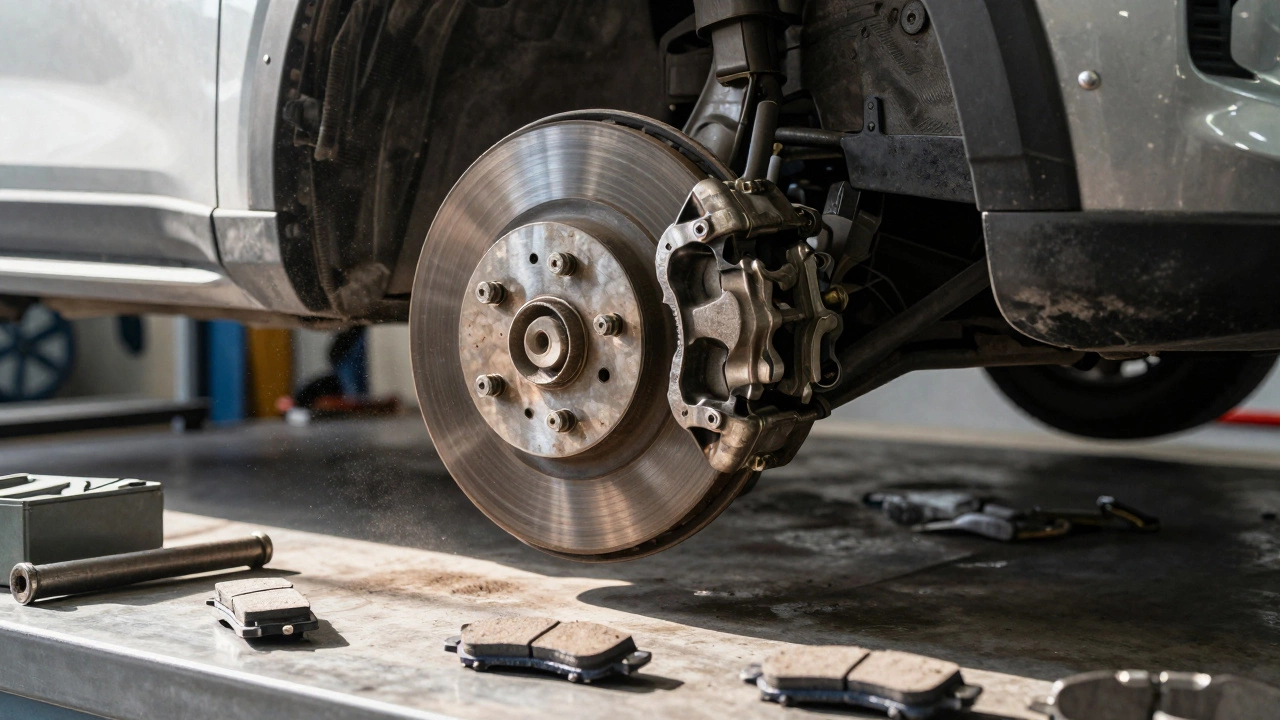
How Much Are Brake Pads? Prices, Brands, and What You Really Pay
Brake pad prices range from $30 to $150 per set, but labor and vehicle type affect total cost. Learn what materials matter, which brands deliver real value, and how to avoid overpaying for replacements in 2026.
CONTINUE READING
How Much Should 4 Brake Pads Cost in 2025?
Find out how much 4 brake pads should cost in 2025 based on car type, pad material, and location. Get real prices, what to avoid, and how to save without sacrificing safety.
CONTINUE READINGRECENT POSTS
-
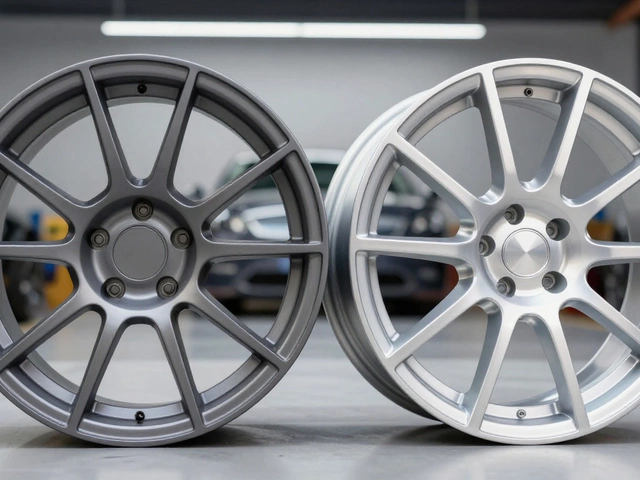
Why Upgrade to Alloy Wheels? Benefits, Performance, and Style
Discover why drivers switch to alloy wheels, from improving braking and fuel efficiency to enhancing car aesthetics and resale value.
-
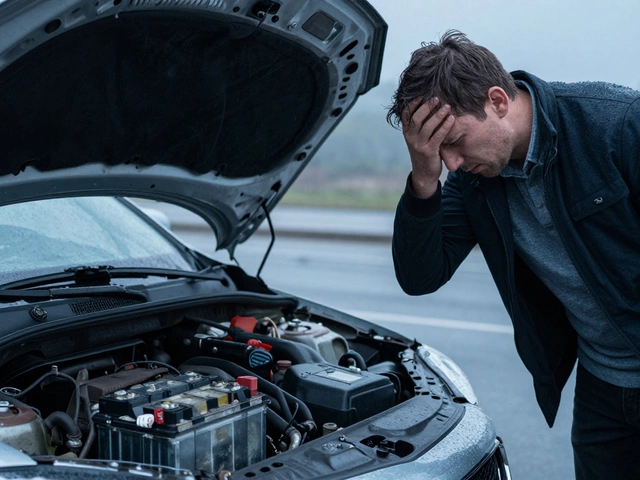
Is it Cheaper to Install Your Own Car Battery? Costs and Pros and Cons
Discover if installing your own car battery is actually cheaper. We compare DIY costs vs. professional shops, cover core charges, and explain the risks of modern car electronics.