Clutch Kit Basics, Upgrades & Common Fixes
If you drive a manual car, the clutch is the link between engine and wheels. A good clutch kit keeps that link strong, smooth, and reliable. Over time the plates wear, the pedal starts to feel mushy, or you notice slipping when you shift. Knowing the signs early can save you costly repairs later.
Most stock kits are designed for everyday driving, not for racing or heavy towing. When you start to push the car harder, a stronger kit can handle the extra torque without burning out. The right upgrade also gives you a firmer bite point, which many enthusiasts prefer for quicker launches.
When to Upgrade Your Clutch Kit
Look at three things before you decide to upgrade: how you use the car, the condition of the current kit, and your budget. If you frequently drive on twisty roads, haul a trailer, or enjoy track days, a performance clutch with higher friction material will last longer under stress. If the pedal is spongy, the clutch slips at low RPMs, or you hear a rattling noise, those are clear signs the kit is wearing out.
Performance kits usually cost more upfront, but they can save you money by lasting twice as long in harsh conditions. Keep an eye on the clutch disc thickness – new discs are around 1.5 mm thick. Anything below 1.2 mm means it’s time for a replacement, upgrade or not.
How to Test and Fix Common Clutch Problems
Testing your clutch is easy and only takes a few minutes. First, start the engine, press the clutch pedal to the floor, and shift into first gear. Release the pedal slowly. If the car lurches forward before the pedal is fully released, notice the bite point – that’s normal. If it suddenly jumps or stalls, the clutch may be slipping.
Next, do a hill test: park on a slight incline, press the clutch, and try to move forward without giving it gas. If the engine revs but the car doesn’t move, the clutch isn’t fully engaging. That usually means the disc or pressure plate is worn.
For a slipping clutch, you can try a DIY fix if you’re comfortable with basic tools. You’ll need a new clutch disc, pressure plate, and release bearing. Remove the transmission, replace the worn parts, and reinstall. Many DIYers save $200‑$300 by doing it themselves, but you’ll need a torque wrench and a clean workspace.
If you’re not sure about the exact cause, a quick visual check helps. Look for oil leaks around the flywheel – oil can soak the clutch and cause slippage. Also, check the clutch cable or hydraulic line for wear or air bubbles.
When the problem is a weak clutch rather than a worn one, sometimes adjusting the pedal free play can improve feel. Loosen the release bearing slightly to reduce the distance the pedal travels. Too much free play, however, will cause premature wear, so find a balance.
Finally, keep your clutch and flywheel clean. A dusty flywheel can create uneven wear on the disc. A light wipe with brake cleaner before installing a new kit makes a noticeable difference in clutch bite and lifespan.
In short, know when your driving style calls for a stronger kit, test your clutch regularly, and don’t hesitate to replace worn parts before they cause a breakdown. With these simple steps you’ll keep your manual car shifting smooth for miles to come.
What Is a Stage 1 Clutch? Upgrades, Signs You Need One, and Installation Guide
Discover what a stage 1 clutch is, how it differs from stock units, and when you need one for your modified car. Learn about installation tips, flywheel choices, and performance benefits.
CONTINUE READING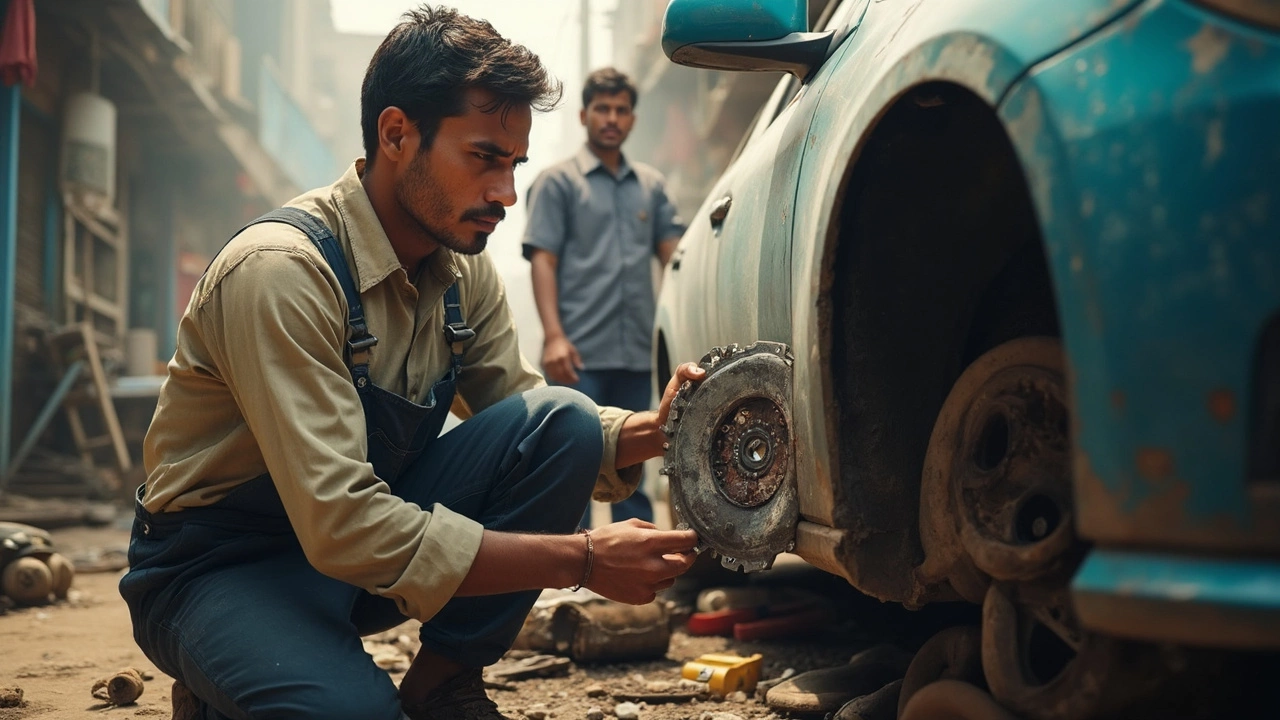
Burned Out Clutch Fix: How to Restore Your Ride Fast
Ever noticed your clutch slipping or a burning smell from your manual transmission car? This article dives into how to spot a burned out clutch, what causes it, and the steps to fix the problem. Learn when you can do it yourself and when it's smarter to call in a pro. Get tips on preventing future clutch woes and keeping your gearbox happy. No fluff—just straight-up advice, real talk, and usable tips.
CONTINUE READING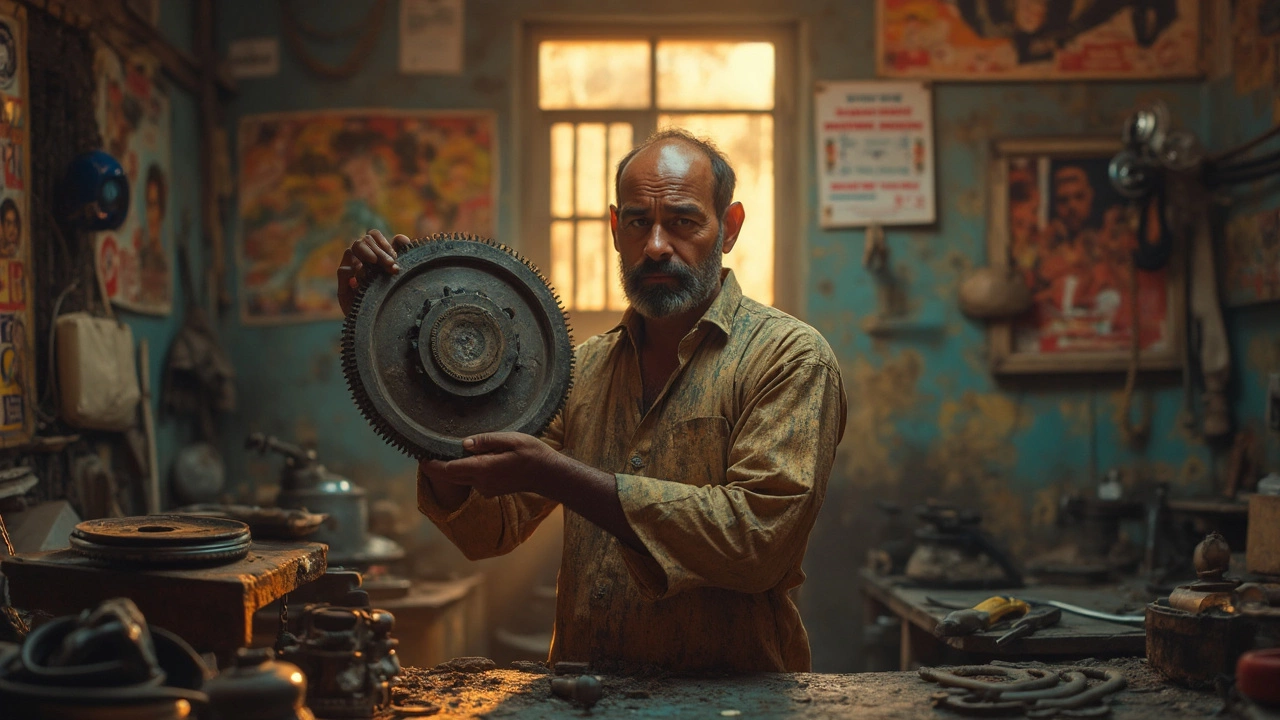
Do I Need a New Flywheel When Replacing the Clutch? Real Answers for Your Clutch Kit Upgrade
Thinking about swapping your clutch? The flywheel is sitting right next to it, waiting for attention. This article digs into whether you actually need a new flywheel when replacing the clutch and what happens if you ignore it. We break down signs of flywheel damage, the real risks of skipping flywheel service, and tips to save you money without cutting corners. Get concrete advice from practical experience, not just a long list of generic suggestions.
CONTINUE READING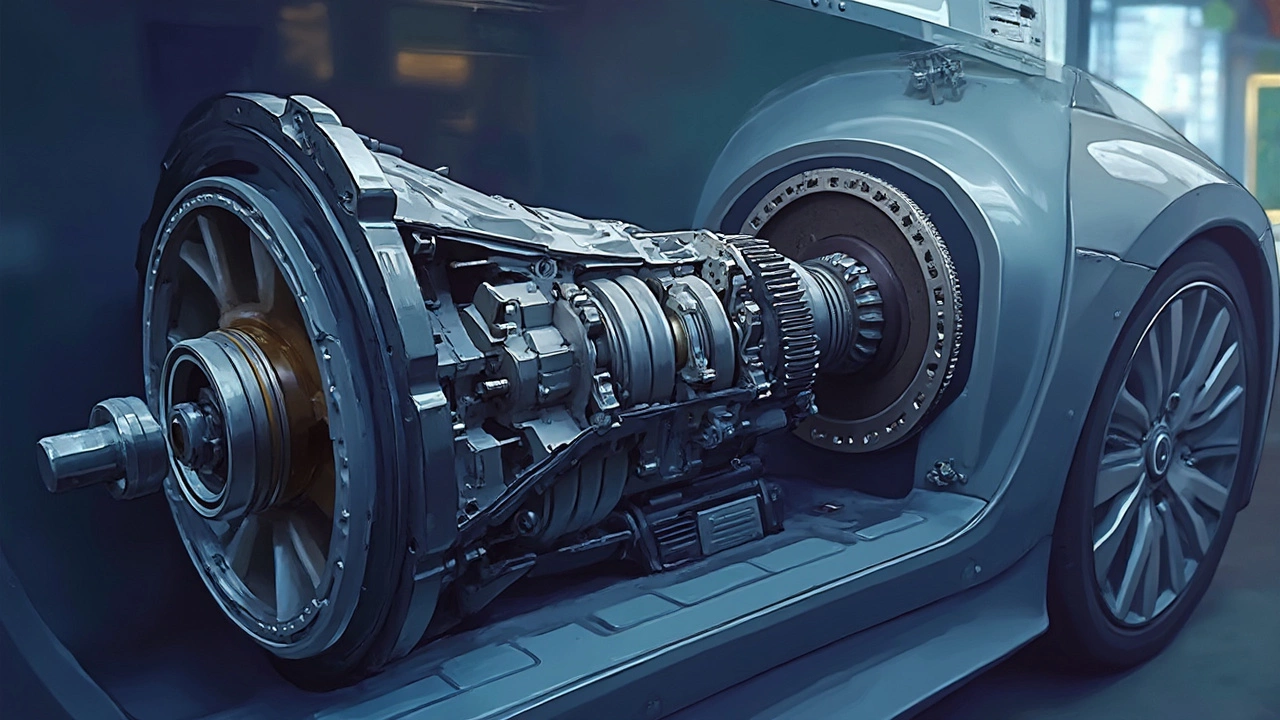
Do Clutch Kits Really Make a Difference?
Clutch kits can significantly impact your vehicle's performance, offering smoother gear transitions and enhanced driving experience. Learn how they work, when it's time for a replacement, and the potential benefits of choosing the right kit for your car. Discover practical tips for selecting and maintaining clutch kits in this comprehensive guide, ensuring you make informed decisions for your vehicle's needs.
CONTINUE READING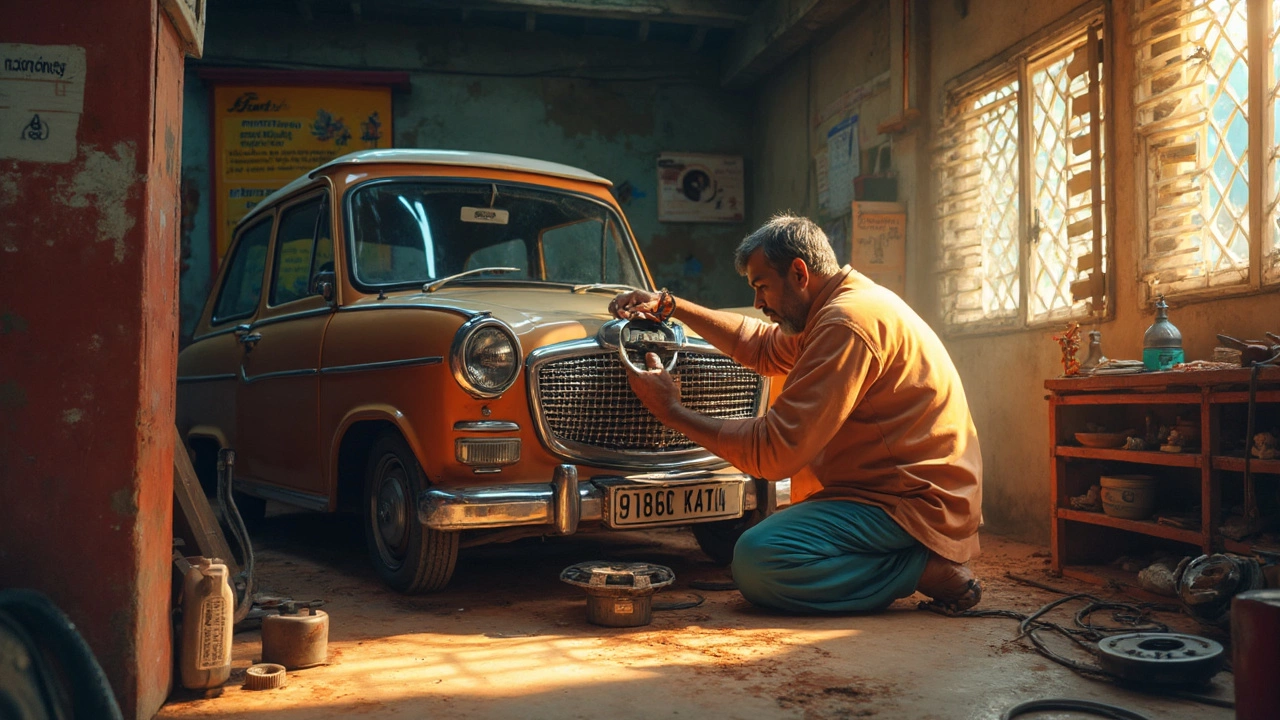
How Long Does It Take to Install a Clutch Kit?
Replacing a clutch kit is an important part of car maintenance that can sometimes feel like a daunting task. This article provides insights on how long the process might take, alongside useful tips for those considering DIY or professional installation. You'll find interesting details about what influences the time needed for this repair, and learn about the typical process involved in changing a clutch kit. Whether you're a car enthusiast or just looking to save some money on repairs, this guide will equip you with essential knowledge.
CONTINUE READINGRECENT POSTS
-
Why Fuel Pumps Fail: Common Causes and Warning Signs
Discover why fuel pumps fail, from contaminated fuel to running on empty. Learn the warning signs like whining noises and sputtering engines, plus tips to extend your pump's life.
-
What Do Americans Call a Glove Box? UK vs US Car Terminology
Discover what Americans call a glove box versus the UK term, and explore other key automotive language differences like windscreen vs. windshield wipers.