Cooling System Upgrade: What You Need to Know Before Making the Switch
When your engine starts running hot, it’s not just a warning light—it’s a cry for help. A cooling system upgrade, a set of modifications designed to improve how your engine manages heat. Also known as engine thermal upgrade, it’s not just about swapping a radiator. It’s about fixing the whole chain: from the radiator, the main heat exchanger that pulls heat out of coolant, to the water pump, the engine-driven pump that circulates coolant, and even the thermostat, the valve that controls when coolant flows through the radiator. If any of these fail, your engine pays the price.
Most people think upgrading means buying a bigger radiator. But modern engines don’t always need more size—they need better flow. A clogged radiator, worn water pump, or stuck thermostat can kill performance even with a brand-new unit. If you’re running high-mileage oil, towing, or driving in hot climates, your stock cooling system might be barely keeping up. Upgrading isn’t just for race cars. It’s for anyone who’s seen the temp needle creep into the red zone. And it’s not always expensive. Replacing an old plastic radiator with an aluminum one, switching to a high-flow water pump, or using a 180-degree thermostat can make a real difference. Some drivers even add auxiliary fans or upgrade to synthetic coolant for better heat transfer. These aren’t luxury mods—they’re smart maintenance.
What’s changed in the last five years? Modern cars are moving away from single-radiator setups. Electric cooling pumps, smart thermostats, and distributed heat exchangers are replacing the old-school system. But if you drive an older car—or want to make your current one tougher—upgrading the cooling system is still the most direct way to prevent engine damage. You won’t see a power boost on a dyno, but you’ll feel it when your engine stays cool on a 100-degree day or after a long climb. And that’s worth more than horsepower.
Below, you’ll find real-world guides on fixing leaks, choosing the right coolant, spotting failing parts, and whether you can skip a full replacement. No fluff. Just what works.
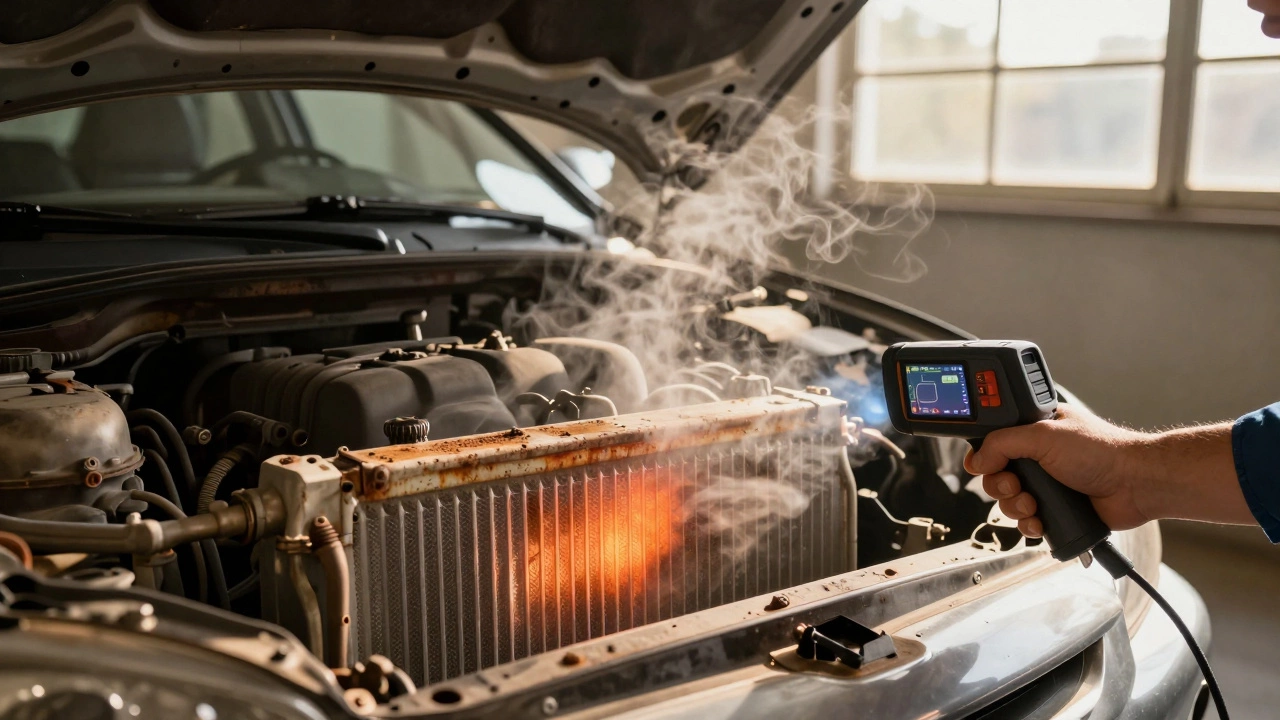
Is It Worth Upgrading Your Car Radiator?
Most car radiators don't need upgrading unless you're towing, modifying your engine, or overheating repeatedly. Learn when a radiator upgrade actually helps-and when it's a waste of money.
CONTINUE READINGRECENT POSTS
-
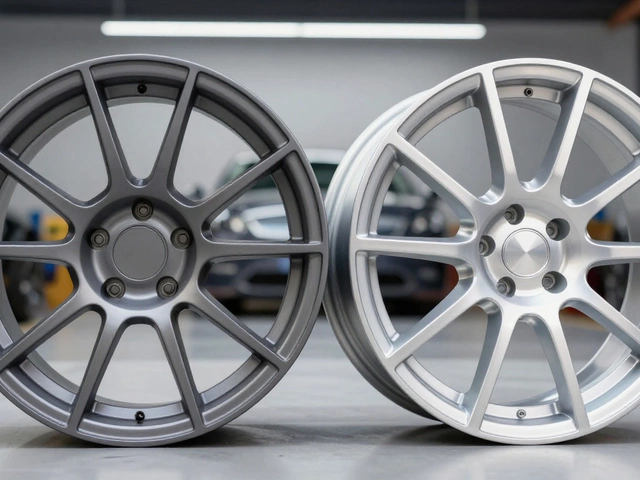
Why Upgrade to Alloy Wheels? Benefits, Performance, and Style
Discover why drivers switch to alloy wheels, from improving braking and fuel efficiency to enhancing car aesthetics and resale value.
-

Is it Cheaper to Install Your Own Car Battery? Costs and Pros and Cons
Discover if installing your own car battery is actually cheaper. We compare DIY costs vs. professional shops, cover core charges, and explain the risks of modern car electronics.