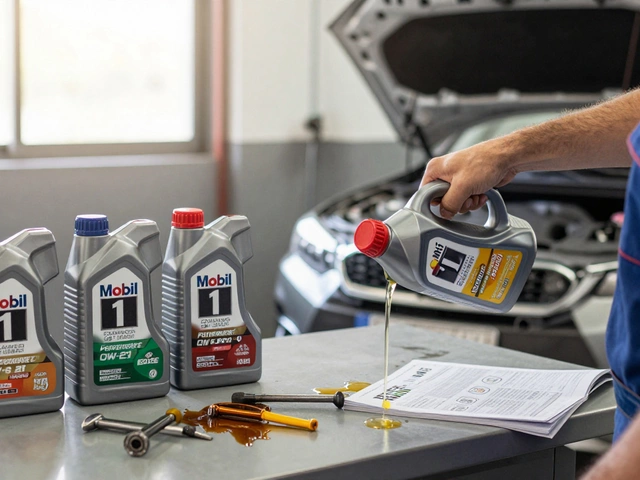
Engine Oil Life: How Long It Lasts and When to Change It
When we talk about engine oil life, the period during which motor oil effectively protects your engine from friction, heat, and debris. Also known as oil change interval, it's not just a number on a sticker—it's the clock ticking inside your engine. Most drivers think oil life means mileage, but it’s really about how much the oil has broken down under heat, contamination, and stress. Even if you haven’t driven 5,000 miles, if you’ve been idling in traffic, towing, or driving in extreme heat, your oil is aging faster than the odometer shows.
The real enemy isn’t mileage—it’s synthetic oil, a high-performance lubricant designed to resist breakdown better than conventional oil. While synthetic oils last longer, they still degrade. Add in dirt, metal shavings, and fuel dilution from short trips, and even the best oil turns into sludge. Your car’s oil life monitor, a system that tracks engine conditions to estimate when oil needs changing isn’t magic—it uses algorithms based on temperature, RPM, and driving patterns. But if you ignore it because you "feel fine," you’re gambling with your engine’s life.
Here’s what actually kills oil: heat from high RPMs, water from short drives that never let the engine fully warm up, and dirt from worn seals or dirty air filters. Even if your oil looks clean, its additives are spent. That’s why some mechanics say you should change oil every 6 months—even if you’ve only driven 2,000 miles. The clock doesn’t stop when you park.
Modern cars don’t need oil changes every 3,000 miles anymore, but that doesn’t mean you can wait 15,000 miles either. The sweet spot? Follow your owner’s manual, but pay attention to your driving habits. If you haul heavy loads, drive in dust, or live in a hot climate, cut the interval by 20%. And if your car has an oil life monitor, don’t reset it unless you’ve actually changed the oil.
What you’ll find below are real-world guides from drivers and mechanics who’ve seen what happens when oil life is ignored. From how to read your oil life monitor correctly, to why some "premium" oils don’t live up to the hype, to what happens when you drive with oil that’s past its prime—these posts cut through the noise. No fluff. No marketing. Just what works, what doesn’t, and what you need to know before your engine screams for help.
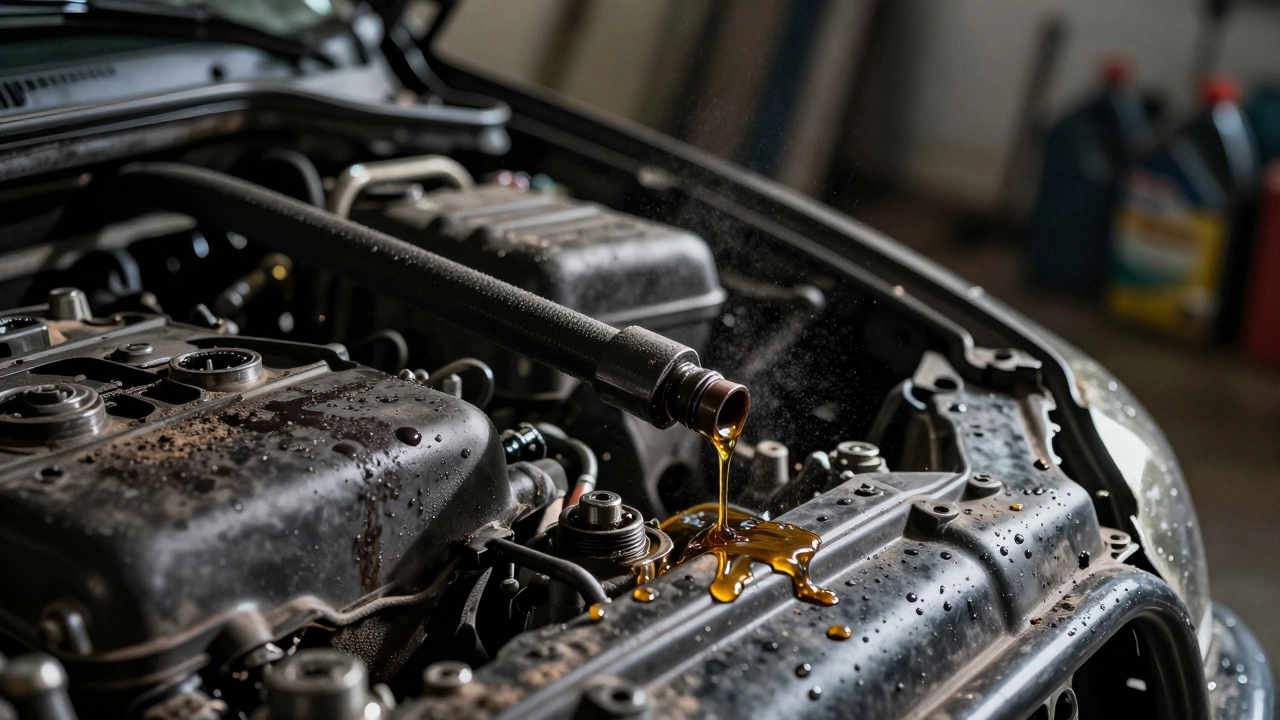
How Long Is Too Long Without an Oil Change? Real-World Limits for Modern Engines
Knowing when to change your engine oil isn't just about mileage-it's about how you drive, your climate, and the oil type. Going too long can destroy your engine. Here's what actually matters.
CONTINUE READINGRECENT POSTS
-

Is it Cheaper to Install Your Own Car Battery? Costs and Pros and Cons
Discover if installing your own car battery is actually cheaper. We compare DIY costs vs. professional shops, cover core charges, and explain the risks of modern car electronics.
-
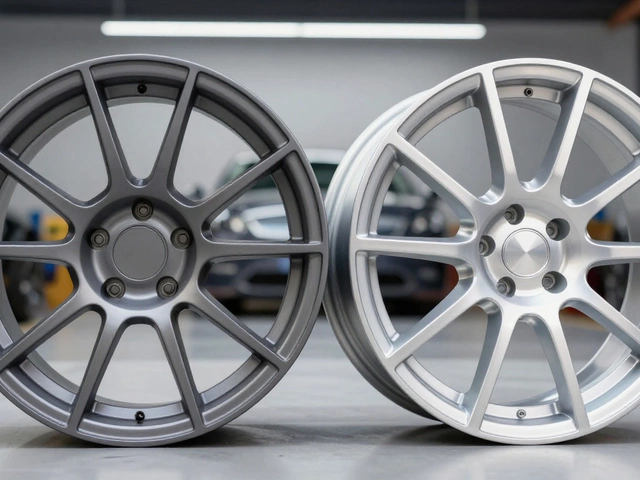
Why Upgrade to Alloy Wheels? Benefits, Performance, and Style
Discover why drivers switch to alloy wheels, from improving braking and fuel efficiency to enhancing car aesthetics and resale value.