Fuel System Problems: Signs, Causes, and How to Fix Them
When your car won’t start, sputters, or loses power on the highway, the issue might not be the battery or spark plugs—it could be your fuel system, the network of parts that delivers gasoline from the tank to the engine. Also known as the fuel delivery system, it’s one of the most overlooked but critical parts of your vehicle. A clogged fuel filter, a weak fuel pump, or dirty injectors can all act like a slow leak in a garden hose—you think you’re getting enough, but the engine isn’t getting what it needs to run right.
Fuel system problems don’t always scream for attention. Sometimes they whisper. Your car might hesitate when you step on the gas, or idle rough after a cold start. You might notice a drop in fuel economy, or smell gas near the tank. These aren’t just annoyances—they’re warning signs that something in the fuel line is failing. The fuel pump, the electric motor that pushes gas from the tank to the engine is the most common culprit. If it’s weak, your engine starves for fuel under load. The fuel filter, the small but vital screen that catches dirt and rust before it reaches the engine can clog over time, especially if you’ve been using low-quality fuel. And then there’s the fuel injector, the tiny nozzle that sprays fuel into the combustion chamber. When it gets gunked up with carbon, it doesn’t spray properly—leading to misfires and poor performance.
What makes these problems tricky is that they often look like other issues. A bad fuel pump can feel like a failing ignition coil. A clogged filter can mimic a dirty air intake. That’s why testing matters. You can’t just guess. AutoZone and other shops can test the fuel pump if you bring it in, but they can’t check the whole system unless you’re sitting in the driver’s seat with a pressure gauge. The real test is how the car behaves under real driving conditions—accelerating, climbing hills, or idling after a long drive.
Fixing fuel system problems doesn’t always mean replacing everything. Sometimes a fuel system cleaner and a new filter are all you need. Other times, you’re looking at a full pump replacement or injector cleaning. The cost varies, but knowing what’s wrong saves you from getting ripped off. You’ll find real-world repair times, price breakdowns, and DIY tips in the posts below—no fluff, no guesswork. Just what actually works on cars you drive every day.
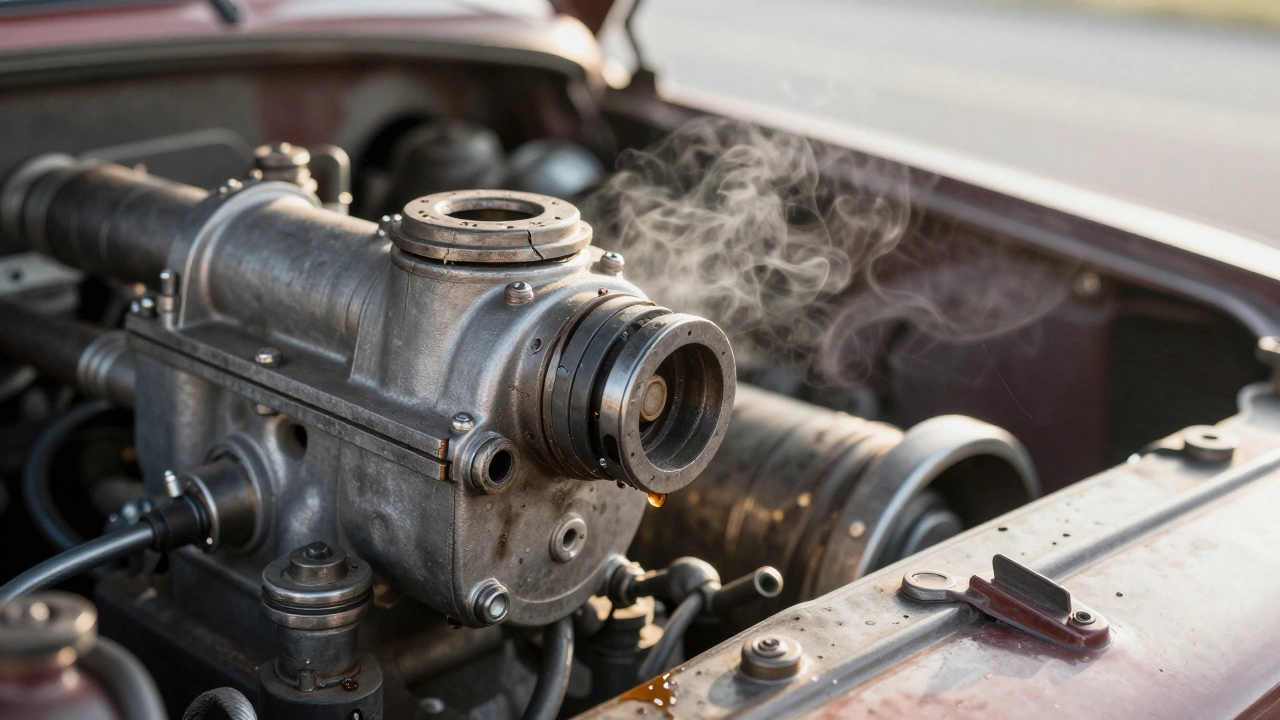
How Do I Know If My Fuel Injection Pump Is Bad? Common Signs and Quick Checks
Learn the seven clear signs your fuel injection pump is failing - from hard starts and rough idling to fuel leaks and smoke. Know what to check and when to act before you're stranded.
CONTINUE READING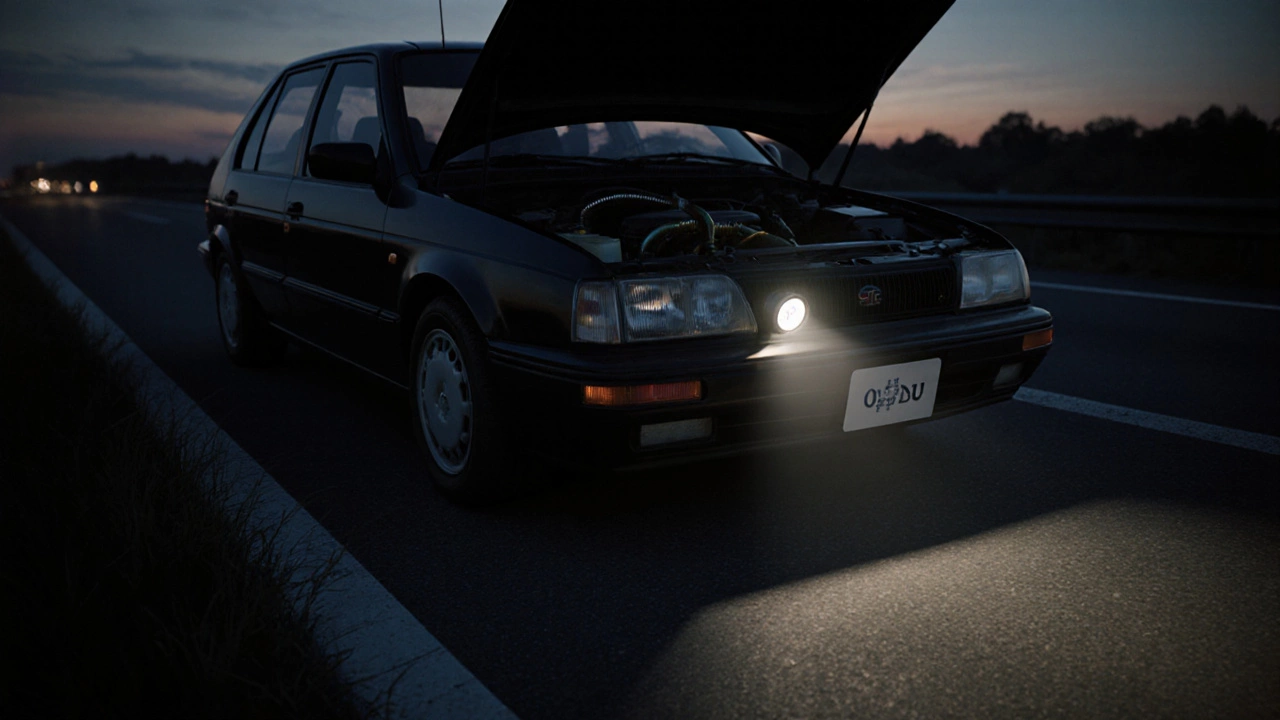
Will a Car Run with a Dead Fuel Pump? What Really Happens
A car cannot run with a dead fuel pump. If your engine cranks but won’t start, and you’ve ruled out the battery and spark plugs, the fuel pump is likely the culprit. Learn the signs, what to check, and why ignoring it costs more.
CONTINUE READINGRECENT POSTS
-

Is it Cheaper to Install Your Own Car Battery? Costs and Pros and Cons
Discover if installing your own car battery is actually cheaper. We compare DIY costs vs. professional shops, cover core charges, and explain the risks of modern car electronics.
-
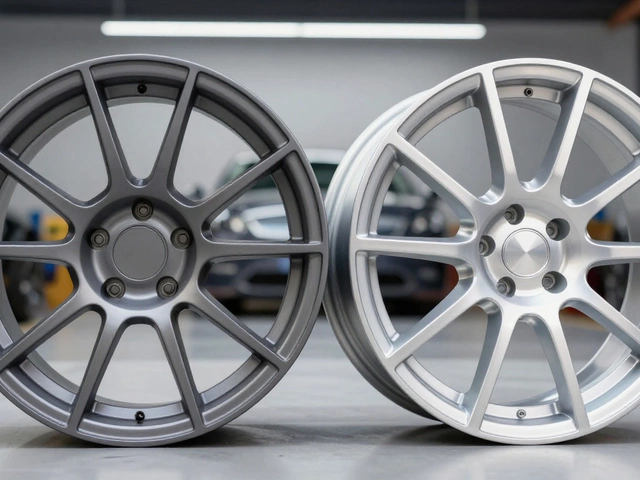
Why Upgrade to Alloy Wheels? Benefits, Performance, and Style
Discover why drivers switch to alloy wheels, from improving braking and fuel efficiency to enhancing car aesthetics and resale value.