Wiper Blade Problems: Signs, Causes, and How to Fix Them
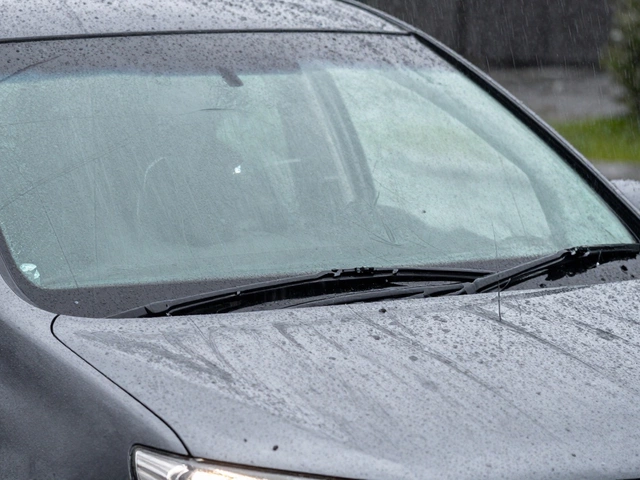
When your wiper blades, rubber strips mounted on your windshield to clear rain, snow, and debris. Also known as windshield wipers, they're one of the most overlooked safety features in your car. leave streaks, chatter, or miss spots, you're not just dealing with an annoyance—you're driving with reduced visibility. A single bad wiper blade can turn a light rain into a dangerous blur, especially at night or on highways. Most people wait until the blades fail completely, but the real problem starts long before that—with subtle signs most drivers ignore.
Wiper blade problems usually come from three things: rubber degradation, the natural breakdown of the rubber edge due to UV exposure, heat, and cold, bent frames, metal arms that lose their tension or get warped from ice or improper installation, and dirty windshields, grime and road film that cause blades to skip or smear. Heat from the sun is the biggest killer—wiper blades in places like Arizona or India often wear out in under six months. Snow and ice? They don’t just freeze the blades—they bend the metal arms and tear the rubber. And if you haven’t cleaned your windshield in months, even brand-new blades will look like they’re broken.
You don’t need a mechanic to fix most wiper blade problems. Replacing them takes less than ten minutes and costs less than a coffee. AutoZone and other auto parts stores will even install them for free if you buy from them. But knowing the signs saves you money and keeps you safe. Squeaking? That’s the rubber hardening. Streaking? The blade edge is cracked or worn. Skipping? The frame’s lost tension. And if you hear a clunk when the wipers move, the arm might be bent or loose. These aren’t just cosmetic issues—they’re safety risks. A study by the Insurance Institute for Highway Safety found that drivers with worn wipers take 30% longer to stop in light rain. That’s enough to turn a fender bender into a serious crash.
Some people think silicone blades last forever, but they still wear out—just slower. Rubber blades are cheaper and work fine in mild climates, but if you live where it gets hot or snowy, silicone is worth the extra cost. And don’t forget to clean your windshield with vinegar and water before installing new blades. A dirty surface ruins new rubber in days. The key is to replace them every 6 to 12 months, no matter how good they look. Don’t wait for them to fail. Check them every time you fill up your tank. If you can’t remember the last time you replaced them, it’s already too late.
Below, you’ll find real-world advice from drivers and mechanics on fixing, replacing, and choosing the right wiper blades. Whether you’re dealing with a single bad blade, a noisy arm, or just want to know what lasts longest in monsoon season, these guides cover it all—no fluff, no jargon, just what works.

What Happens If You Use the Wrong Size Wiper Blade?
Using the wrong size wiper blade can cause streaking, damage your windshield, strain the motor, and reduce visibility-especially dangerous in rainy conditions. Learn the real risks and how to pick the correct size.
CONTINUE READINGRECENT POSTS
-
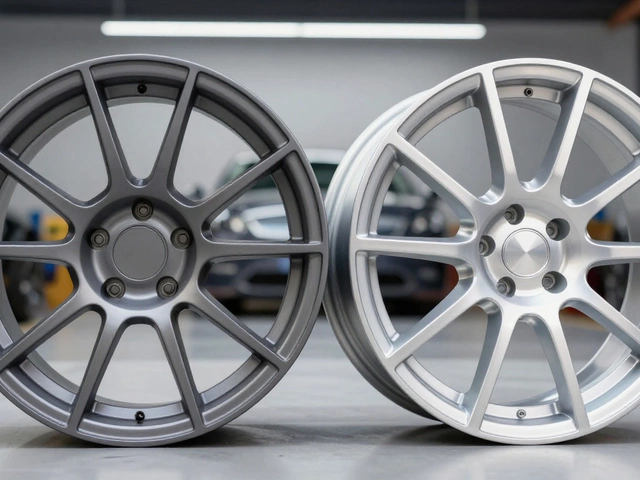
Why Upgrade to Alloy Wheels? Benefits, Performance, and Style
Discover why drivers switch to alloy wheels, from improving braking and fuel efficiency to enhancing car aesthetics and resale value.
-

Is it Cheaper to Install Your Own Car Battery? Costs and Pros and Cons
Discover if installing your own car battery is actually cheaper. We compare DIY costs vs. professional shops, cover core charges, and explain the risks of modern car electronics.