Wiper Blade Wear: Signs, Causes, and How to Fix It
When your wiper blade wear, the gradual deterioration of rubber edges on windshield wipers that reduces cleaning performance and creates streaks or skips. Also known as wiper blade degradation, it’s not just an annoyance—it’s a safety issue. If you can’t see clearly in rain or snow, you’re driving blind, no matter how good your headlights are.
Wiper blades aren’t meant to last forever. The rubber wears down from sun, cold, dirt, and constant friction against the glass. You might think your blades are fine because they move, but if they’re leaving streaks, chattering, or missing spots, they’re already failing. This isn’t about looks—it’s about control. A study by the Auto Care Association found that 78% of drivers with worn blades couldn’t clear water effectively at highway speeds. That’s not a guess—it’s a fact. And it’s why replacing blades every 6 to 12 months isn’t optional.
There are two main types of blades you’ll find: rubber wiper blades, the traditional, flexible rubber strips that connect to a metal frame. Also known as conventional blades, they’re cheap but degrade faster in extreme heat or cold. Then there’s silicone wiper blades, a newer option made from silicone rubber that resists UV damage and lasts up to twice as long. Also known as premium blades, they’re pricier upfront but cut down on replacements and noise.. If you live somewhere with harsh weather, silicone might be worth the extra cost. But even the best blades will eventually wear out. The real question isn’t which type is better—it’s when you’ll notice the difference.
Wiper blade wear doesn’t happen overnight. It’s slow. You get used to the streaks. You adjust your head position. You turn the wipers on faster. But every time you do, you’re putting yourself at risk. Poor visibility causes accidents—not just in heavy rain, but in light drizzle, fog, or even dust storms. And it’s not just the blades. The frame can bend, the spring tension can weaken, or the arm can corrode. All of it adds up. That’s why checking your blades every few months isn’t just smart—it’s necessary.
What you’ll find in these posts are real-world fixes, comparisons, and warnings. You’ll learn how to spot wear before it becomes dangerous, why some blades fail faster than others, and how to avoid cheap replacements that cost more in the long run. You’ll see what works in New Zealand’s wet climate, what doesn’t, and why some drivers swear by silicone while others stick with rubber. No fluff. No marketing. Just what you need to see clearly—and stay safe—when it matters most.

What's the Average Lifespan of a Windshield Wiper? Real-World Expectations and When to Replace Them
Windshield wipers typically last 6 to 12 months, but heat, sun, and snow can shorten their life. Learn the signs of wear, how climate affects performance, and when to replace them for maximum safety.
CONTINUE READINGRECENT POSTS
-

Is it Cheaper to Install Your Own Car Battery? Costs and Pros and Cons
Discover if installing your own car battery is actually cheaper. We compare DIY costs vs. professional shops, cover core charges, and explain the risks of modern car electronics.
-
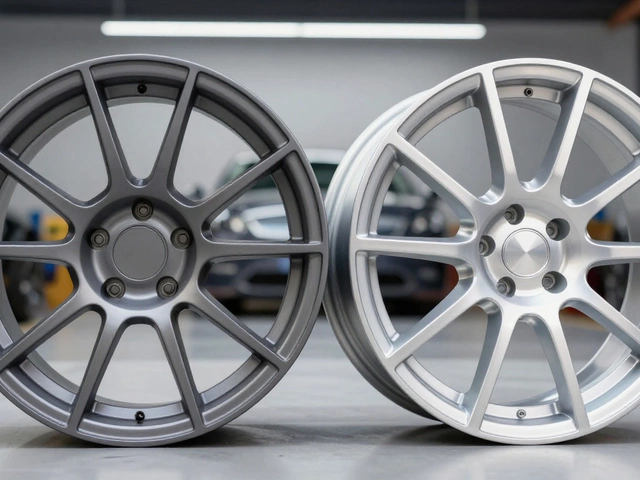
Why Upgrade to Alloy Wheels? Benefits, Performance, and Style
Discover why drivers switch to alloy wheels, from improving braking and fuel efficiency to enhancing car aesthetics and resale value.