
Tire vs. Tyre Spelling Checker
Select your target audience or location below to see the preferred spelling and why it matters.
Quick Reference Table
| Region/Context | Preferred Spelling | Note |
|---|---|---|
| USA | Tires | Noah Webster simplified spelling in early 1800s. |
| UK | Tyres | Retained traditional French-influenced spelling. |
| Canada | Tires (mostly) | Mixed usage, but US proximity favors "Tires". |
| Australia/NZ | Tyres | Follows British conventions. |
| Global Business | Consistency | Check internal style guide; do not mix spellings. |
You are standing in a tire shop, or maybe you're just typing an email to your mechanic. You pause. Do you write tyres or tires? If you get it wrong, do people think you don't know cars? The short answer is: both are correct, but they belong to different worlds. Choosing the right one isn't about grammar rules; it's about geography and audience. If you ignore this, you might look like a foreigner in London or a local outsider in New York. Let's clear up the confusion once and for all so you never second-guess your spelling again.
The Geographic Split
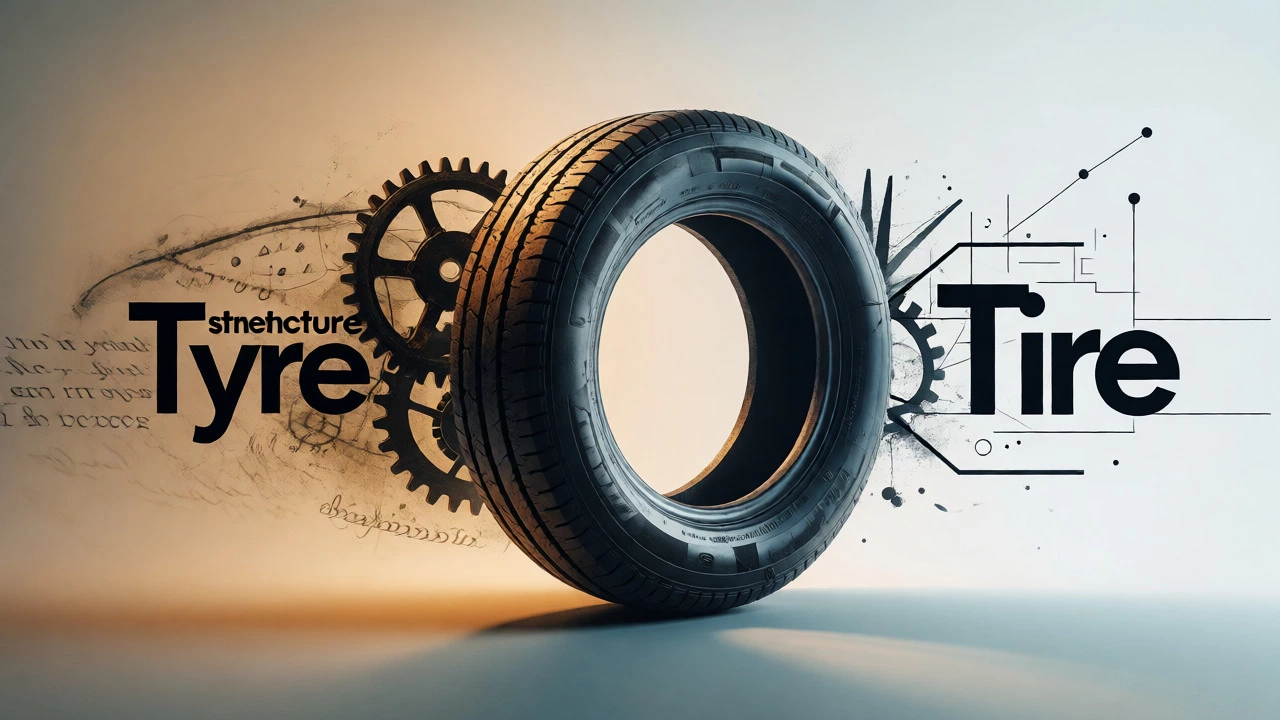
Here is the core rule that solves 90% of the debate. Tires is the standard spelling in American English. Tyres is the standard spelling in British English and most Commonwealth countries like Australia, Canada, and South Africa. That's it. There is no secret industry code where one word means "rubber" and the other means "steel." They refer to the exact same object: the rubber covering on a wheel that provides traction and cushioning. If you are writing for a US audience, use "tires." If you are writing for a UK audience, use "tyres." Mixing them up can make your text feel inconsistent, which hurts readability more than the spelling error itself.
Why the Difference Exists
You might wonder why we even have two spellings. It comes down to how language evolves. In the early days of automobiles, the term was often spelled "tyre," derived from the older word "tire," which meant to attire or dress (as in dressing a wheel). Over time, American English simplified many words to match their pronunciation more closely, dropping the silent 'y' or changing endings. Noah Webster, the father of the American dictionary, pushed for these simplifications in the early 19th century. So, "color" became "colour," and "tyre" became "tire." Meanwhile, British English kept the traditional French-influenced spelling. This isn't about one being smarter or more modern; it's just different paths taken by the same language centuries ago.
Does It Affect How You Buy?
Believe it or not, the spelling affects search results and product listings. If you type "best tyres for rain" into Google while located in Texas, you might get fewer local results than if you typed "best tires for rain." Search engines are smart enough to understand the synonym link, but local SEO algorithms prioritize content that matches the user's locale. When you shop online, major retailers like Amazon or AutoZone adjust their interface based on your IP address. In the US, you'll see "Tire Care" sections. In the UK, you'll see "Tyre Safety" warnings. If you are a business owner selling auto parts, using the wrong keyword can actually cost you traffic. You wouldn't want to miss out on customers simply because you used a British spelling on a site targeting Ohio drivers.
Common Mistakes and Myths
Let's bust a few myths. Some people think "tyres" is plural and "tires" is singular, or vice versa. Wrong. Both words can be singular or plural depending on context. One tire, two tires. One tyre, two tyres. Another myth is that one spelling refers to high-performance racing wheels while the other refers to regular commuter cars. Nope. A Formula 1 car uses Pirelli tires (or tyres, depending on who is reporting the race). The distinction is purely linguistic, not technical. Don't let anyone tell you that using "tyres" makes you sound fancy or educated. In the US, it just looks like a typo. In the UK, using "tires" looks like you copied a manual from across the Atlantic without editing it.
When to Break the Rules
Are there exceptions? Yes, mostly in branding and global marketing. If you are writing about a specific brand that uses a particular spelling in its logo, keep it consistent with the brand name. For example, if a company calls itself "Global Tyres Inc.," you shouldn't change it to "Global Tires Inc." unless you are adapting the whole article for a US audience. Also, in international scientific papers or ISO standards, you might see variations, but usually, the publication style guide dictates the choice. If you are working for a multinational corporation, check their internal style guide. Most large companies have a "US English" or "UK English" default setting for all communications to maintain consistency across thousands of documents.

Quick Reference Guide
To help you decide quickly, here is a simple breakdown of when to use which spelling. Think of this as your cheat sheet for emails, blogs, and shopping lists.
| Context | Preferred Spelling | Reason |
|---|---|---|
| United States | Tires | American English standard |
| United Kingdom | Tyres | British English standard |
| Canada | Tires or Tyres | Mixed usage, but "Tires" is more common due to proximity to US |
| Australia/New Zealand | Tyres | Follows British conventions |
| International Business | Check Style Guide | Consistency within the document is key |
How to Choose for Your Writing
If you are still stuck, ask yourself one question: Who is reading this? If you are writing a blog post about winter driving tips for readers in Chicago, stick with "tires." If you are advising a friend moving to Manchester, use "tyres." If you are writing a generic piece for a global website, pick one and stick to it throughout the entire article. Consistency is more important than correctness in a global context. Changing back and forth confuses the reader. Also, consider the platform. Social media tends to follow regional norms. LinkedIn articles might lean toward US spelling if the majority of your network is American. Just look at the data. If your analytics show 70% of your traffic comes from the US, optimize for "tires." If it's split evenly, you might need to create separate versions or just accept that some people will see the "other" spelling.
Final Thoughts on Automotive Terminology
Language is messy, especially when technology spreads faster than dictionaries update. But for something as basic as what holds your car off the ground, the rules are surprisingly strict. Don't overthink it. Match your spelling to your location or your target audience. If you live in the US, say "tire." If you live in the UK, say "tyre." Everything else is just noise. Now you can confidently buy your next set of tires-or tyres-without worrying about looking silly.
Is "tyres" incorrect in America?
It is not grammatically incorrect, but it is considered non-standard. Americans generally view "tyres" as a British variant. Using it in casual conversation won't cause a scandal, but in professional writing or formal documents, "tires" is the expected norm.
Do mechanics care which spelling I use?
Mechanics care about the physical condition of the rubber, not the spelling. However, if you are ordering parts online, using the correct regional spelling ensures you find the right products without extra clicks. It’s more about efficiency than etiquette.
Which spelling is older?
The original word was "tire," meaning to attire or prepare. "Tyre" emerged later in Britain as a variant. American English reverted to the simpler "tire" following Noah Webster’s reforms in the early 1800s. So, technically, the American spelling aligns closer to the original root, but the British version has been standard there for nearly two centuries.
Can I mix them in the same article?
You should avoid mixing them unless you are quoting someone directly. If you quote a British driver saying "my tyres are flat," keep it as "tyres." But if you are writing your own analysis, pick one spelling and use it exclusively. Mixing them looks like poor editing.
What about other car parts?
Yes, similar differences exist. For example, "boot" (UK) vs. "trunk" (US), "bonnet" (UK) vs. "hood" (US), and "windscreen" (UK) vs. "windshield" (US). Always check regional terminology when writing for an international audience to ensure clarity.








Write a comment