
Spark Plug Health & Replacement Estimator
You’re driving along, maybe heading to work or picking up the kids, when the engine starts to feel a bit off. It’s not loud, but it’s there-a slight hesitation when you press the gas, or a rough idle at the traffic lights. Your first thought might be something expensive like the transmission or fuel injectors. But more often than not, the culprit is sitting quietly in your engine bay, doing its job just a little too well for too long: the spark plugs. These small components are the heartbeat of your internal combustion engine, yet they’re frequently ignored until they fail completely.
So, how often should you actually clean them? Here’s the hard truth: for most modern cars, you don’t. The concept of "cleaning" spark plugs is largely a relic from an era of leaded gasoline and carburetors. Today, if your spark plugs are dirty enough to need attention, they usually need replacing. But knowing when that moment arrives can save you money on unnecessary repairs and keep your engine running smoothly. Let’s break down the real lifespan of spark plugs, what signs to watch for, and why "cleaning" is rarely the answer.
The Myth of Cleaning vs. Replacing
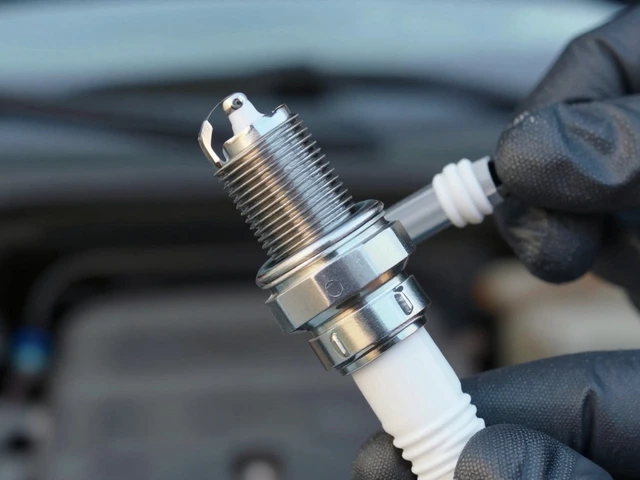
Many drivers remember their parents or grandparents popping the hood, pulling out a spark plug, scrubbing the carbon off with a wire brush, and putting it back in. It worked then because those engines were simpler, and the plugs were made of durable materials designed to withstand repeated cleaning. Modern ignition systems operate at much higher voltages and tighter tolerances. The electrodes on today’s plugs-often made of platinum or iridium-are incredibly fine, sometimes thinner than a human hair.
Trying to clean these delicate tips with a wire brush can easily bend or damage them, altering the gap and causing misfires. Furthermore, carbon buildup isn’t just surface dirt; it’s often a symptom of deeper issues like oil burning or rich fuel mixtures. If you clean the plug without fixing the underlying problem, the carbon returns within weeks. For standard copper plugs, cleaning might buy you a few thousand kilometers, but for premium plugs, it’s a waste of time. The general rule of thumb? If it’s broken, replace it. If it’s worn, replace it. If it’s dirty, check your engine health before deciding whether to clean or replace.
Lifespan by Material Type
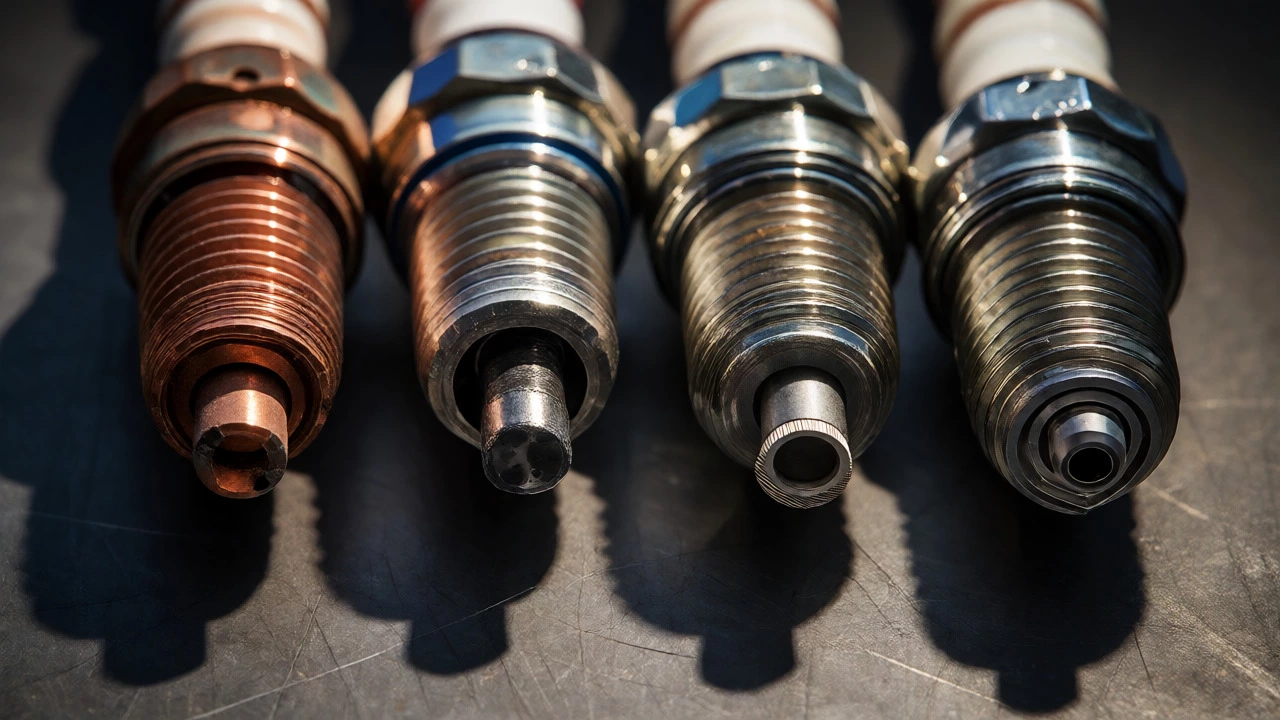
Not all spark plugs are created equal. The material used in the electrode determines how long the plug lasts and how well it performs under stress. Understanding your specific plug type is the key to setting a realistic maintenance schedule.
| Plug Type | Average Lifespan (km) | Best For | Cost Estimate |
|---|---|---|---|
| Copper Core | 30,000 - 50,000 | Older vehicles, high-performance modifications | $10 - $20 per set |
| Platinum | 60,000 - 80,000 | Modern daily drivers, balanced cost/performance | $20 - $40 per set |
| Iridium | 80,000 - 120,000+ | Newer cars, turbocharged engines, longevity focus | $40 - $80+ per set |
Copper plugs are the cheapest and wear out fastest. They have a larger center electrode which requires more voltage to jump the gap, leading to quicker erosion. Platinum and iridium plugs use precious metals that resist corrosion and heat far better. Iridium, being harder and having a higher melting point than platinum, allows for even finer electrodes. This results in a more consistent spark and less strain on your ignition coils. If your owner’s manual specifies iridium plugs, swapping them for cheap copper ones will likely cause poor performance and frequent replacements, negating any savings.
Signs Your Spark Plugs Are Failing
Your car won’t send you an email saying "Change my spark plugs." Instead, it communicates through subtle-and sometimes not-so-subtle-symptoms. Catching these early prevents damage to other components like the catalytic converter.
- Rough Idling: When stopped at a light, does the engine shake or sound uneven? This often means one or more cylinders aren’t firing correctly due to weak sparks.
- Difficulty Starting: If the engine cranks longer than usual before catching, the spark may be too weak to ignite the fuel-air mixture efficiently.
- Engine Misfires: A sudden jerk or stumble while accelerating is a classic sign. It feels like the car briefly loses power. This happens when the plug fails to fire during combustion.
- Poor Fuel Economy: Incomplete combustion wastes fuel. If your mileage drops noticeably without a change in driving habits, worn plugs could be the reason.
- Slow Acceleration: The car feels sluggish, especially when merging onto highways or climbing hills. The engine struggles to generate sufficient power output.
Don’t ignore these signs. Running on bad plugs forces unburnt fuel into the exhaust system, which can overheat and destroy your catalytic converter. That repair costs hundreds, sometimes thousands, of dollars compared to the modest price of new plugs.
When Cleaning Might Actually Help
While replacement is the standard advice, there are niche scenarios where cleaning makes sense. If you have older copper-core plugs and notice only mild carbon fouling (dry, black soot), a quick clean might restore performance temporarily. This is common in city driving where short trips prevent the engine from reaching optimal operating temperatures, leaving deposits behind.
To clean effectively, use a specialized spark plug cleaner tool or compressed air. Avoid wire brushes unless you are extremely careful. After cleaning, always check the electrode gap with a feeler gauge. Even a fraction of a millimeter difference can affect engine efficiency. However, treat this as a diagnostic step or a temporary fix. If the insulator is cracked or the electrode is eroded, cleaning won’t help. Replace the plug immediately.
DIY Inspection Checklist
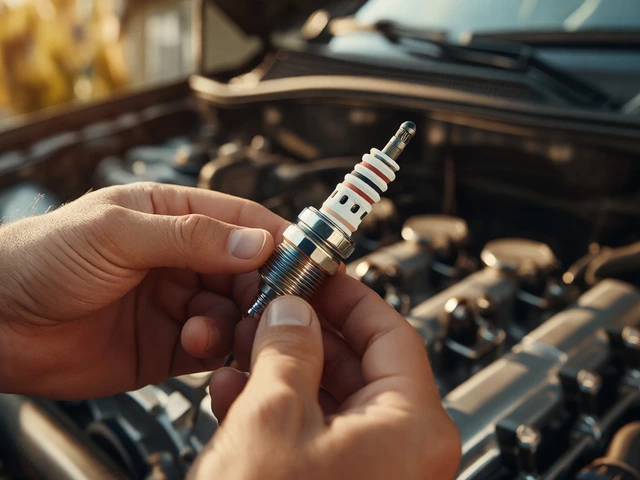
You don’t need to be a mechanic to inspect your spark plugs. Pulling them out requires basic tools: a socket wrench with a spark plug socket (usually 5/8" or 13/16"), extension bar, and ratchet. Ensure the engine is cool to avoid burns or thread damage.
- Remove Ignition Coils: Disconnect the electrical connectors and unbolt the coil packs sitting directly above each plug.
- Extract Plugs: Use the spark plug socket to loosen and remove each plug carefully. Keep track of which cylinder each came from.
- Visual Inspection: Look at the color and condition of the tip.
- Light tan/gray: Healthy. No action needed.
- Black dry soot: Carbon fouling. Check air filter or PCV valve.
- Wet/oily: Oil fouling. Indicates piston rings or valve seal leaks.
- White/blistered: Overheating. Could indicate timing issues or lean fuel mixture.
- Check Gap: Measure the distance between the center and ground electrode. Compare against manufacturer specs.
- Reinstall: Hand-tighten the plug first to avoid cross-threading, then torque to spec (usually 15-25 ft-lbs).
If you find significant wear or incorrect gaps on multiple plugs, it’s time for a full set replacement. Mixing old and new plugs can cause uneven engine performance.

Factors Shortening Spark Plug Life
Even premium iridium plugs won’t last forever if subjected to harsh conditions. Several factors accelerate wear beyond normal expectations.
Turbocharging: Turbo engines run hotter and under higher pressure. This increases electrical demand on the plug, causing faster electrode erosion. Always follow the stricter service intervals recommended for turbo models.
Low-Quality Fuel: Cheap gasoline often contains more additives and impurities that leave residue on plugs. Using top-tier fuels can help keep plugs cleaner for longer.
Aggressive Driving: Frequent high-RPM revving generates intense heat. While occasional spirited driving is fine, constant redlining accelerates wear.
Oil Leaks: As mentioned earlier, oil entering the combustion chamber coats the plug, preventing proper sparking. Fixing the leak is crucial before installing new plugs.
By addressing these root causes, you extend the life of your new plugs and improve overall engine efficiency.
Frequently Asked Questions
Can I drive with bad spark plugs?
Yes, but it’s risky. Driving with severely worn or fouled plugs can cause engine misfires, which may damage the catalytic converter. If the car runs roughly, limit your driving to essential trips and get the plugs replaced soon. If the engine shakes violently or stalls, tow the vehicle to avoid further damage.
Do I need to change all spark plugs at once?
It is highly recommended to replace all spark plugs simultaneously. New plugs produce a stronger spark than old ones. If you mix them, the engine may struggle to balance the power delivery across cylinders, leading to vibration and reduced performance. Replacing them as a set ensures uniform combustion.
How much does it cost to replace spark plugs?
Parts typically range from $20 to $80 for a set of four, depending on the material (copper vs. iridium). Labor costs vary widely based on accessibility. On some modern engines, plugs are buried deep under intake manifolds, requiring several hours of labor. DIY replacement saves significantly on labor fees if you have the right tools.
What happens if I put the wrong spark plug in?
Using plugs with the wrong heat range or physical size can cause serious issues. Too cold, and they foul quickly with carbon. Too hot, and they can pre-ignite fuel, potentially melting the piston crown. Incorrect thread length can also interfere with piston movement. Always match the OEM specification exactly.
Are spark plugs covered under warranty?
Usually, no. Spark plugs are considered "wear-and-tear" items, similar to brake pads or wiper blades. Most vehicle warranties exclude routine maintenance parts. However, if a plug fails prematurely due to a manufacturing defect, the part itself might be covered, but labor often isn't. Check your specific warranty terms.






Write a comment