Engine Oil Damage: Signs, Causes, and How to Prevent Costly Engine Failure
When engine oil damage, the gradual breakdown of lubrication that leads to overheating, metal-on-metal contact, and permanent engine wear. Also known as lubrication failure, it doesn’t happen overnight—it’s the quiet result of ignoring simple maintenance. Most people think their engine will warn them with a loud noise or smoke, but by then, it’s often too late. The real danger is silent: tiny metal particles floating in old oil, bearings wearing down, and heat building up because the oil can’t do its job anymore.
Engine oil, a critical fluid that lubricates, cools, cleans, and seals engine parts. It’s not just grease—it’s your engine’s life support. Without it, even a new engine can die in minutes. Modern engines run hotter and tighter than ever, making the right oil and timely changes more important than ever. Synthetic engine oil, a high-performance lubricant engineered for extreme heat and long-term stability. It lasts longer, flows better in cold weather, and resists breakdown better than conventional oil. But even synthetic oil turns to sludge if you never change it. And oil change interval, the recommended distance or time between oil changes based on driving conditions and oil type. Most drivers think 5,000 miles is the rule, but if you drive short trips in cold weather or haul heavy loads, your oil degrades twice as fast.
Engine oil damage shows up in ways you can’t ignore: a knocking sound from the bottom of the engine, the oil light flashing even after a recent change, thick black sludge under the oil cap, or your car suddenly losing power on the highway. These aren’t "maybe" problems—they’re emergency signals. One study from the Society of Automotive Engineers found that 40% of engine failures in vehicles over 100,000 miles were directly linked to poor oil maintenance, not age or design flaws. You don’t need a mechanic to spot this—you just need to check your dipstick every few weeks. Look for color, smell, and texture. If it’s dark, gritty, or smells burnt, you’re already in danger.
Fixing engine oil damage costs thousands. Replacing a damaged engine can run $3,000 to $7,000. An oil change? $40 to $80. The math isn’t even close. This collection of posts breaks down exactly what happens when oil fails, how to spot the early signs, what oil to use in 2025, and how long you can really go between changes without risking your car’s life. You’ll find real-world examples, expert tips from mechanics, and no-fluff advice on keeping your engine running smooth—not just surviving.

What Happens If You Drive With Low Oil? The Real Risks and Quick Fixes
Driving with low engine oil can cause severe engine damage in minutes. Learn the warning signs, how quickly harm occurs, and simple steps to prevent costly repairs before it's too late.
CONTINUE READINGRECENT POSTS
-

Is it Cheaper to Install Your Own Car Battery? Costs and Pros and Cons
Discover if installing your own car battery is actually cheaper. We compare DIY costs vs. professional shops, cover core charges, and explain the risks of modern car electronics.
-
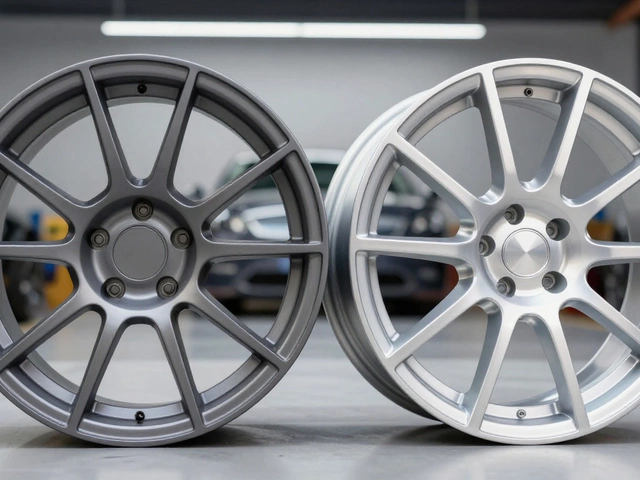
Why Upgrade to Alloy Wheels? Benefits, Performance, and Style
Discover why drivers switch to alloy wheels, from improving braking and fuel efficiency to enhancing car aesthetics and resale value.