Low Engine Oil: Signs, Risks, and What to Do Now
When your car shows a low engine oil, a critical condition where the engine doesn’t have enough lubricant to function safely. Also known as insufficient motor oil, it’s one of the most common—and dangerous—problems drivers ignore until it’s too late. Your engine isn’t just running on gas. It’s running on oil. Every moving part inside your engine needs that oil to slide past each other without grinding down to metal. Skip the oil, and you’re basically letting your engine eat itself.
Most cars today have a oil warning light, a dashboard indicator that turns on when oil pressure drops below safe levels. But that light doesn’t always come on before damage starts. You might not see it until your engine is already overheating or making strange knocking sounds. That’s why checking your engine oil level, the actual amount of oil in the crankcase, measured with the dipstick every few weeks is smarter than waiting for a warning. A dipstick check takes 30 seconds. A new engine costs thousands.
Low engine oil doesn’t just happen overnight. It’s usually the result of something deeper: a leak, a worn seal, or simply not changing oil often enough. Some cars burn oil as they age—especially older models or high-mileage engines. If you’re adding a quart every 1,000 miles, that’s not normal. That’s a signal. And if you’re driving with low oil, you’re risking engine damage from low oil, permanent harm to pistons, rods, or bearings caused by metal-on-metal contact. Once that happens, no oil additive or quick fix will save you.
You don’t need to be a mechanic to spot the signs. Listen for knocking or ticking noises when you start the car. Watch for blue smoke from the exhaust—that’s oil burning in the combustion chamber. Feel if the engine runs hotter than usual. These aren’t just annoyances. They’re alarms. And if you’ve ever seen a car pulled over because it seized on the highway, that started with someone ignoring a low oil warning.
The fix isn’t complicated. Check your oil weekly. Top it off with the right type (check your owner’s manual). If the level drops fast, get it checked. Don’t wait for the light. Don’t hope it’ll fix itself. And don’t let someone tell you it’s "just a little low"—there’s no such thing as a little low when your engine’s life is on the line.
Below, you’ll find real advice from mechanics and drivers who’ve been there. From what oil to use when you’re low, to how long you can safely drive before it’s too late, to the hidden causes most people miss. This isn’t theory. It’s what actually works.

What Happens If You Drive With Low Oil? The Real Risks and Quick Fixes
Driving with low engine oil can cause severe engine damage in minutes. Learn the warning signs, how quickly harm occurs, and simple steps to prevent costly repairs before it's too late.
CONTINUE READINGRECENT POSTS
-

Is it Cheaper to Install Your Own Car Battery? Costs and Pros and Cons
Discover if installing your own car battery is actually cheaper. We compare DIY costs vs. professional shops, cover core charges, and explain the risks of modern car electronics.
-
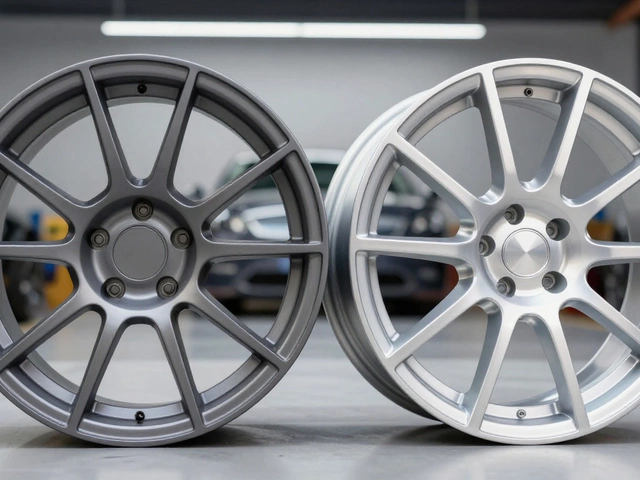
Why Upgrade to Alloy Wheels? Benefits, Performance, and Style
Discover why drivers switch to alloy wheels, from improving braking and fuel efficiency to enhancing car aesthetics and resale value.