MERV 13 Air Filters for Your Car: Simple Guide
If you’ve ever sneezed while driving or noticed a musty smell inside the vehicle, the culprit is often the cabin air filter. Upgrading to a MERV 13 filter can make a big difference. It traps finer particles – pollen, dust, even some bacteria – that lower‑grade filters let slip through.
Most OEM filters sit around MERV 5 to 8. That means they catch big dust bunnies but miss the tiny stuff that aggravates allergies. A MERV 13 filter catches particles as small as 0.3 microns, which covers most pollutants you’d encounter on the road.
Why Choose MERV 13?
First, health. Cleaner air means fewer sneezes, less irritation, and a more comfortable ride for everyone in the car. Second, it protects the HVAC system. Dust buildup can strain the blower motor and reduce airflow, leading to higher fuel use. A higher‑efficiency filter keeps the system cleaner longer.
Third, it’s not magic – you won’t notice a dramatic performance boost, but you will notice fewer cloudy windows and a fresher scent. The trade‑off is a slightly higher price and a bit more resistance to airflow, but most modern cars handle the extra load without issue.
How to Install a MERV 13 Filter
Installation is a quick DIY job. Open the glove box, locate the cabin filter compartment (usually behind the glove box or under the dash), and pull out the old filter. Note the orientation arrows, then slide the MERV 13 filter in the same way.
Make sure the filter sits snugly; a loose filter can let unfiltered air bypass it. After fitting, close the compartment and give the HVAC a quick test on both hot and cold settings. If airflow feels normal, you’re good to go.
Replace the filter every 12,000 to 15,000 miles, or sooner if you drive in dusty conditions. A visual check shows if it’s dark and clogged – that’s a sign it’s time for a swap.
In short, moving up to a MERV 13 cabin filter is a straightforward upgrade that pays off in cleaner air and a healthier ride. It’s a small investment that helps you, your passengers, and your car’s HVAC system stay in better shape for longer.

MERV 11 vs MERV 13: Which Air Filter Should You Buy?
Compare MERV 11 vs MERV 13 air filters to find the right balance of efficiency and airflow for your HVAC system. Learn about costs, lifespan, and compatibility.
CONTINUE READING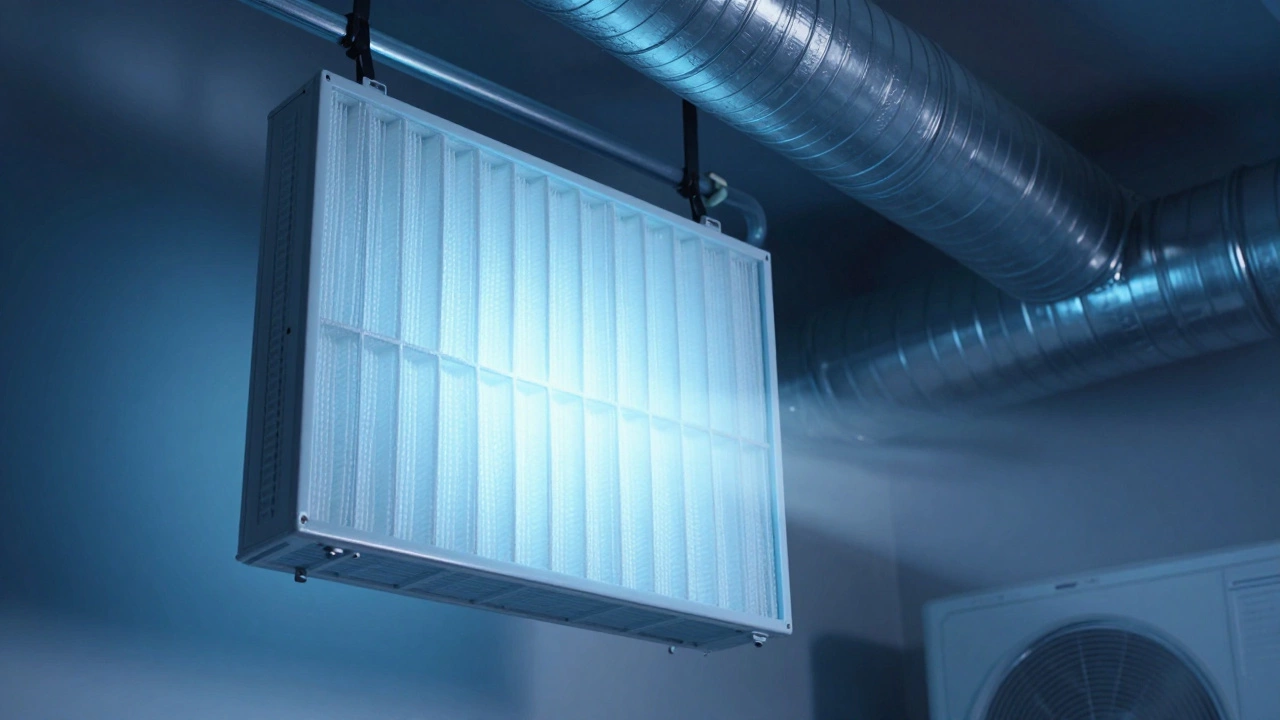
Will a MERV 13 Air Filter Damage My AC System?
A MERV 13 air filter can improve indoor air quality, but it may damage older AC systems by restricting airflow. Learn when it's safe to use and what alternatives work better.
CONTINUE READING
Is MERV 13 the Right Choice for Your Home?
Exploring if MERV 13 air filters are suitable for home use. We'll dig into what MERV 13 means, how it impacts air quality, and whether it's the best option for your HVAC system. Plus, some handy tips on maintenance and alternatives will help you make a well-informed decision.
CONTINUE READINGRECENT POSTS
-

Is it Cheaper to Install Your Own Car Battery? Costs and Pros and Cons
Discover if installing your own car battery is actually cheaper. We compare DIY costs vs. professional shops, cover core charges, and explain the risks of modern car electronics.
-
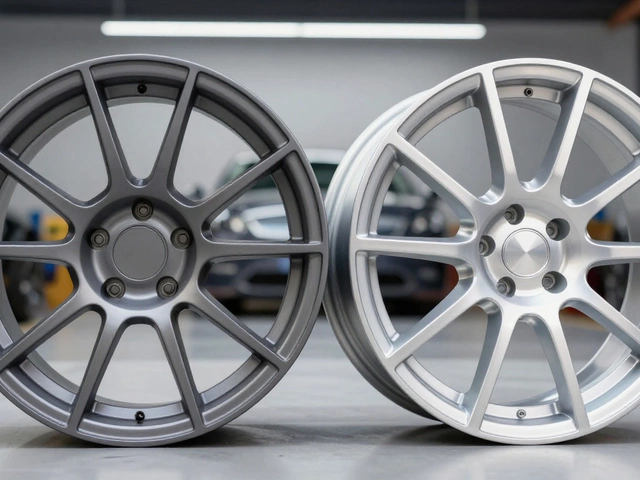
Why Upgrade to Alloy Wheels? Benefits, Performance, and Style
Discover why drivers switch to alloy wheels, from improving braking and fuel efficiency to enhancing car aesthetics and resale value.