Oil Change Timing: When to Change Your Engine Oil for Maximum Longevity
When it comes to keeping your engine alive, oil change timing, the schedule for replacing engine oil to maintain proper lubrication and cooling. It's not just a chore—it’s the single most cost-effective thing you can do for your car. Skip it, and you’re risking engine wear, overheating, or worse. Many drivers still follow the old 3,000-mile rule, but that’s outdated. Modern engines and synthetic oils can go much longer—but not forever.
Engine oil, a viscous fluid that lubricates moving parts, reduces friction, and carries away heat and debris. It’s the lifeblood of your engine. But oil doesn’t just wear out from mileage. It breaks down from heat, contamination, and time. If you drive mostly short trips in cold weather, your oil gets dirty faster because the engine never fully warms up to burn off moisture. If you tow heavy loads or drive in dusty areas, it degrades quicker too. That’s why your owner’s manual gives you a range—not a fixed number. Most cars today recommend oil change timing between 7,500 and 10,000 miles, but some full synthetics can stretch to 15,000 miles under ideal conditions.
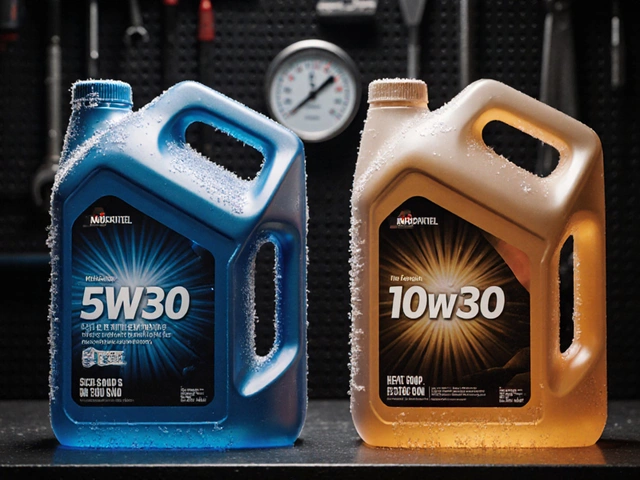
Synthetic oil, a chemically engineered motor oil that offers better performance and longevity than conventional oil. It’s the top choice for most new cars because it resists thinning under heat and thickening in cold. It also cleans better and lasts longer. If your car came with synthetic oil, stick with it. Mixing it with conventional oil won’t break your engine, but it defeats the purpose. And don’t forget the oil filter. A dirty filter can ruin even the cleanest oil. Always replace it during an oil change.
How do you know when it’s time? Check your dashboard. Most modern cars have an oil life monitor that tracks usage, not just miles. But if your car doesn’t have one, go by time—every 6 to 12 months, even if you haven’t driven much. Oil doesn’t care if you drove 500 miles or 5,000; if it’s been over a year, it’s probably degraded. And if you see smoke from the exhaust, hear knocking, or get a low oil warning, don’t wait. That’s not a reminder—it’s a cry for help.
What about those "oil change specials" at quick-lube shops? They’re fine if you’re due. But don’t let them upsell you on a flush or premium additive. If your oil looks clean and your car runs fine, you’re probably good. The real savings come from doing it yourself—oil and a filter cost less than $40, and you save hours of waiting.
Below, you’ll find real-world advice from mechanics and drivers who’ve been there. Whether you’re wondering if your car needs synthetic oil, how driving habits affect oil life, or why your oil turns black so fast, the posts here cut through the noise. No fluff. No upsells. Just what actually matters to keep your engine running strong.
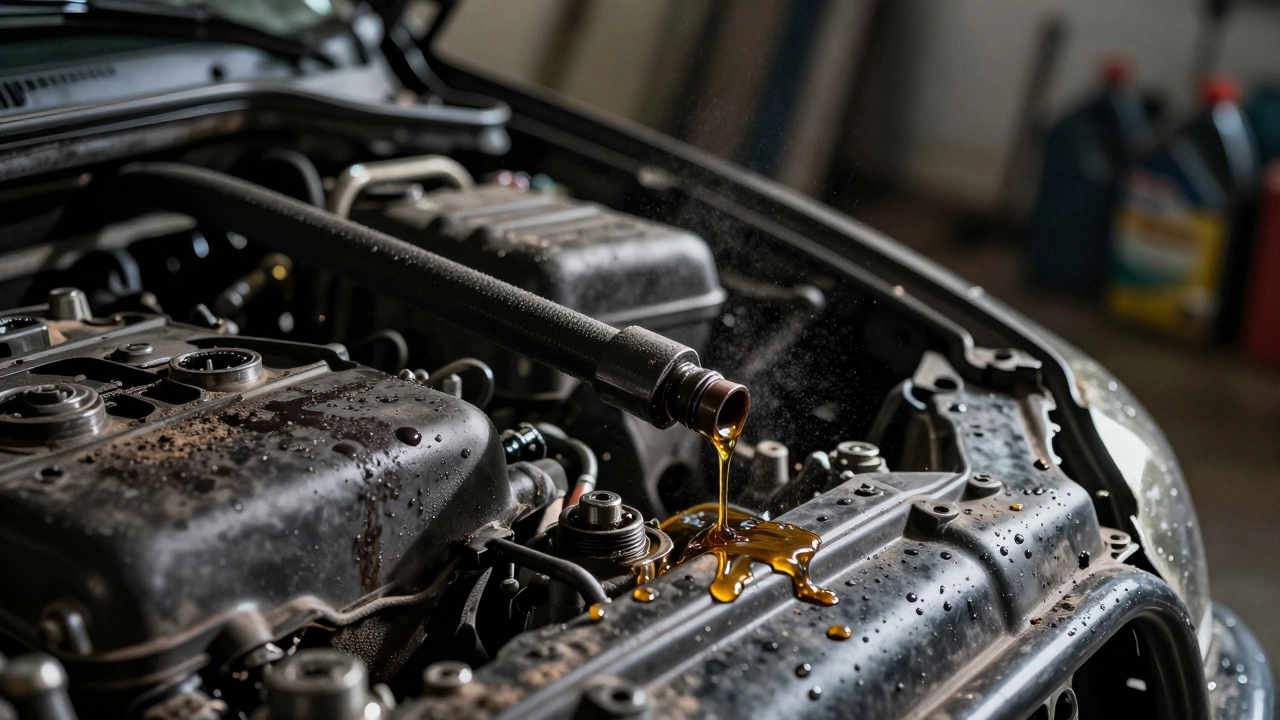
How Long Is Too Long Without an Oil Change? Real-World Limits for Modern Engines
Knowing when to change your engine oil isn't just about mileage-it's about how you drive, your climate, and the oil type. Going too long can destroy your engine. Here's what actually matters.
CONTINUE READINGRECENT POSTS
-

Is it Cheaper to Install Your Own Car Battery? Costs and Pros and Cons
Discover if installing your own car battery is actually cheaper. We compare DIY costs vs. professional shops, cover core charges, and explain the risks of modern car electronics.
-
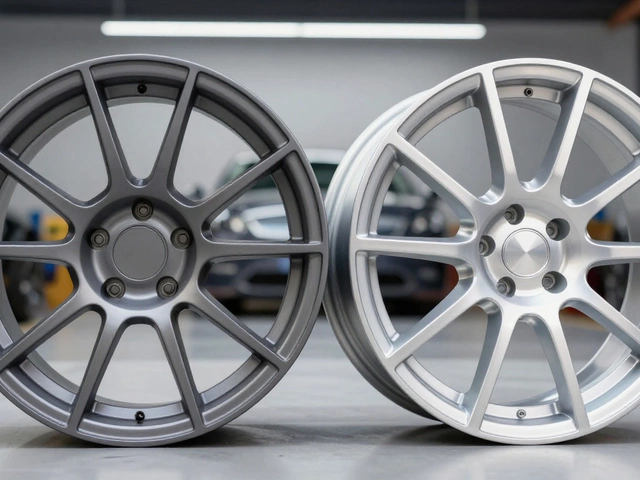
Why Upgrade to Alloy Wheels? Benefits, Performance, and Style
Discover why drivers switch to alloy wheels, from improving braking and fuel efficiency to enhancing car aesthetics and resale value.