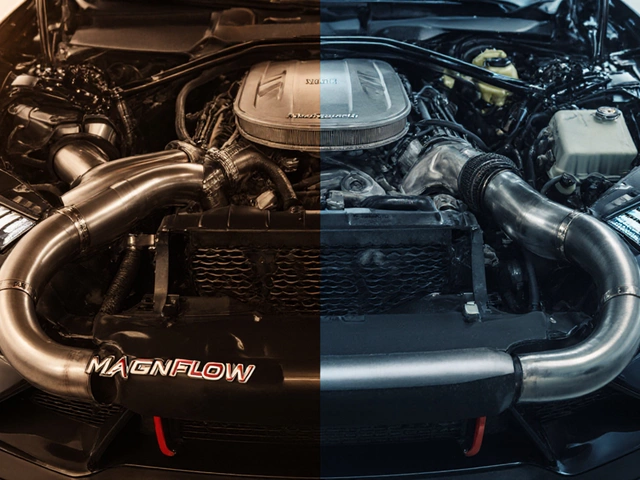
HVAC Filter: What It Does, When to Replace It, and How It Keeps Your Home Safe
When you think of your HVAC filter, a device inside your heating and cooling system that traps airborne particles to protect both your equipment and indoor air quality. Also known as a furnace filter, it's one of the most ignored yet critical parts of your home’s comfort system. Most people don’t realize it’s not just about keeping dust off the floor—it’s about keeping dust, pollen, mold spores, and even pet dander out of your lungs. Skip it for too long, and you’re not just risking a broken system—you’re breathing worse air every day.
The MERV rating, a scale from 1 to 16 that measures how well an air filter captures small particles tells you exactly how good your filter is. A basic filter with a MERV 1–4 might catch large dust bits but lets fine allergens through. A MERV 8–13 filter, which most homes should use, blocks pollen, smoke, and mold. Anything above MERV 13? That’s hospital-grade—and it can strain your system if it wasn’t built for it. Your HVAC filter isn’t a one-size-fits-all part. It’s matched to your system’s airflow, your climate, and even your family’s health needs.
Your furnace filter, the most common type of HVAC filter found in residential homes, typically made of fiberglass, pleated paper, or synthetic materials sits right where air enters your blower. If it’s clogged, your system works harder, uses more energy, and wears out faster. A dirty filter can even freeze your AC coil or cause your furnace to overheat. Replacing it isn’t a chore—it’s a 30-second fix that saves hundreds in repairs and lowers your bill. Most people wait until they notice dust or high bills. Don’t wait. Check it monthly. Change it every 1–3 months, depending on pets, allergies, or how much you run your system.
There are other types too—washable filters, electrostatic ones, even smart filters that alert you when they’re full. But for most homes, a standard pleated MERV 8–11 filter is the sweet spot: good enough to clean the air, not so dense that it kills airflow. And while you’re at it, don’t forget your air conditioner’s filter—it’s the same one. Many think AC and heat use different systems. They don’t. One filter, two seasons, one job: keeping your air clean and your system running.
What you’ll find below are real-world guides on exactly how to choose the right filter, how often to swap it out, what happens when you ignore it, and how it connects to bigger issues like indoor air quality, system efficiency, and even your energy bill. No fluff. No jargon. Just what works, based on what mechanics and homeowners actually deal with every day.
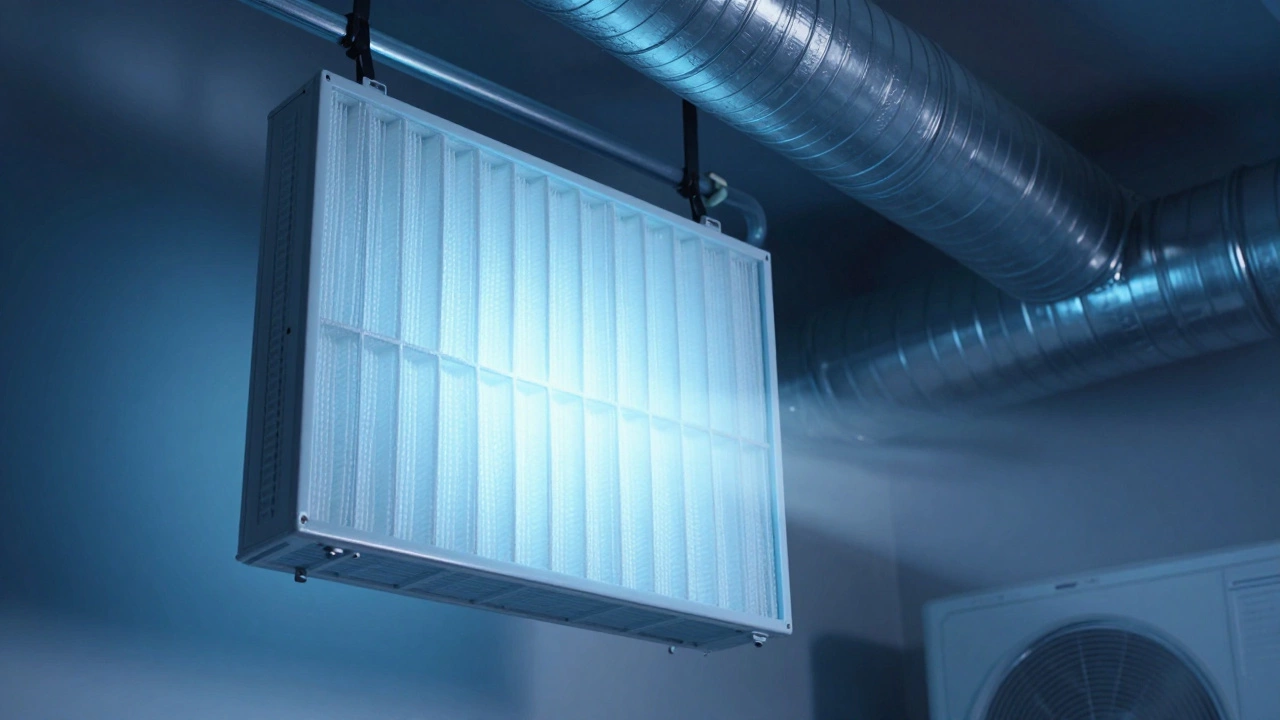
Will a MERV 13 Air Filter Damage My AC System?
A MERV 13 air filter can improve indoor air quality, but it may damage older AC systems by restricting airflow. Learn when it's safe to use and what alternatives work better.
CONTINUE READINGRECENT POSTS
-
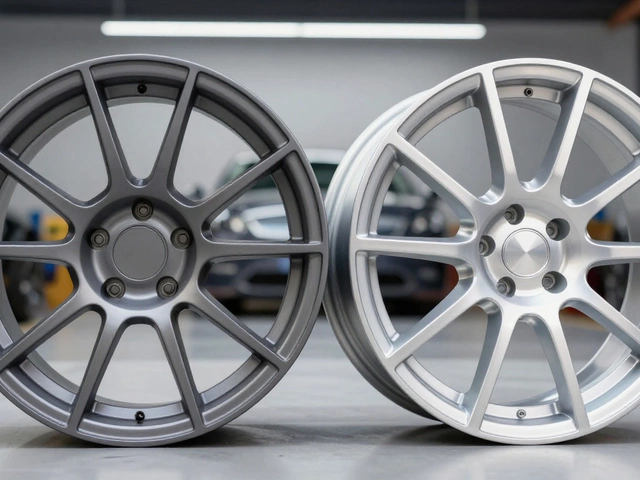
Why Upgrade to Alloy Wheels? Benefits, Performance, and Style
Discover why drivers switch to alloy wheels, from improving braking and fuel efficiency to enhancing car aesthetics and resale value.
-

Is it Cheaper to Install Your Own Car Battery? Costs and Pros and Cons
Discover if installing your own car battery is actually cheaper. We compare DIY costs vs. professional shops, cover core charges, and explain the risks of modern car electronics.